
By Steven Li, Export Director, ORIDAWN · Published 21 November 2026 · 8 min read
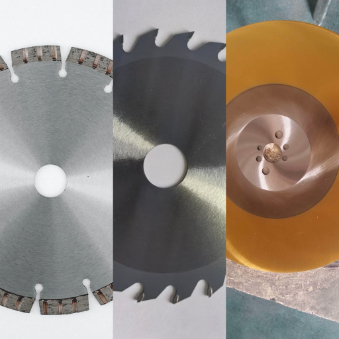
Short answer: diamond saw blades and HSS (high-speed steel) saw blades are different tools because they cut in different ways. A diamond blade cuts by abrasion: synthetic diamond grit held in a metal bond grinds through stone, concrete, tile and ceramics. An HSS blade cuts by a sharpened steel edge: hardened tool steel removes metal, wood and plastic chips. The manufacturing routes are just as different — diamond segments are pressed and sintered by powder metallurgy, while HSS blades are machined from steel bar, heat treated and tooth-ground.
Choosing the wrong type does not just give a poor finish. A diamond blade used on steel will glaze and lose its grit, while an HSS blade used on granite will dull almost immediately. This guide compares the two blade families by manufacturing process and by cutting material, so you can match the tool to the job instead of guessing from the diameter printed on the label.
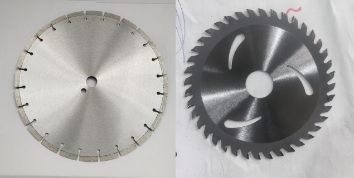
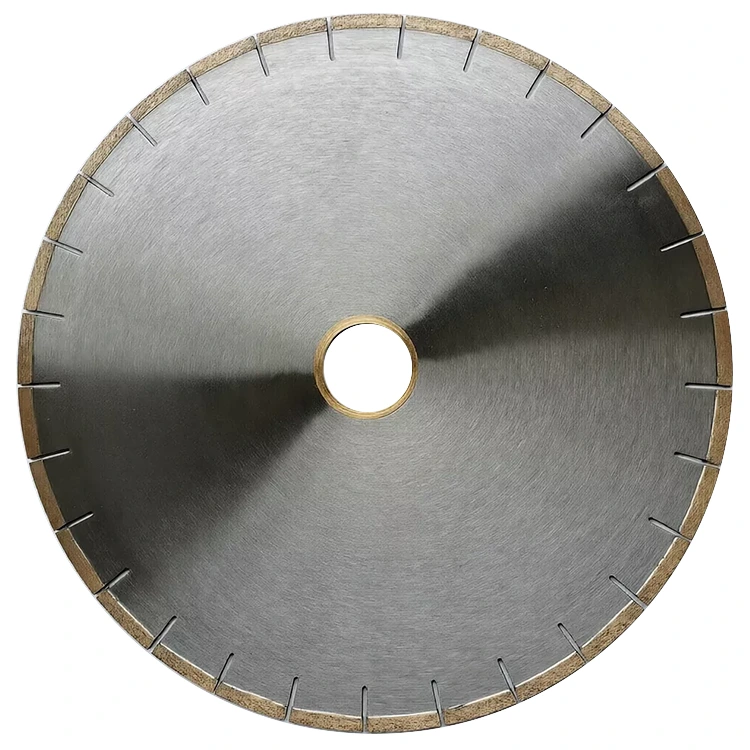
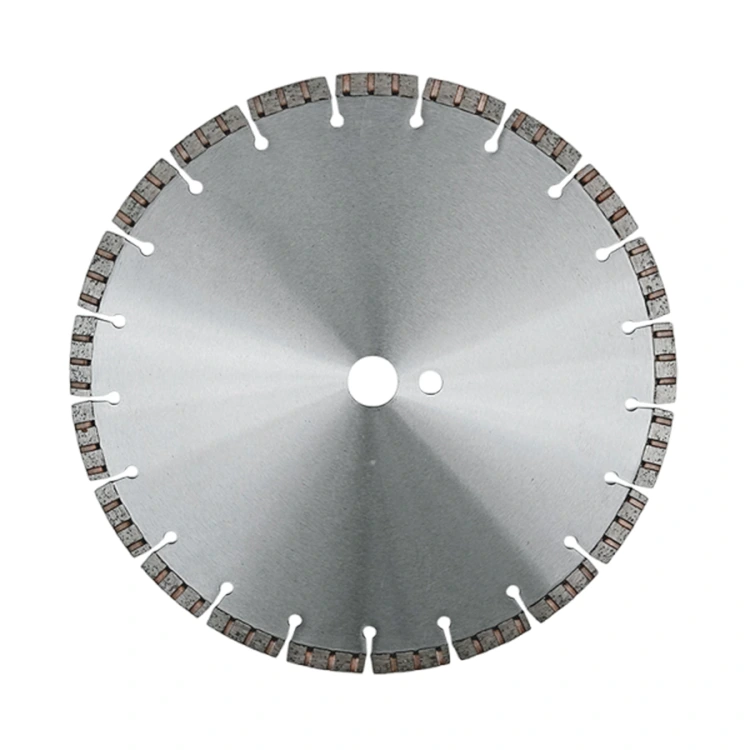
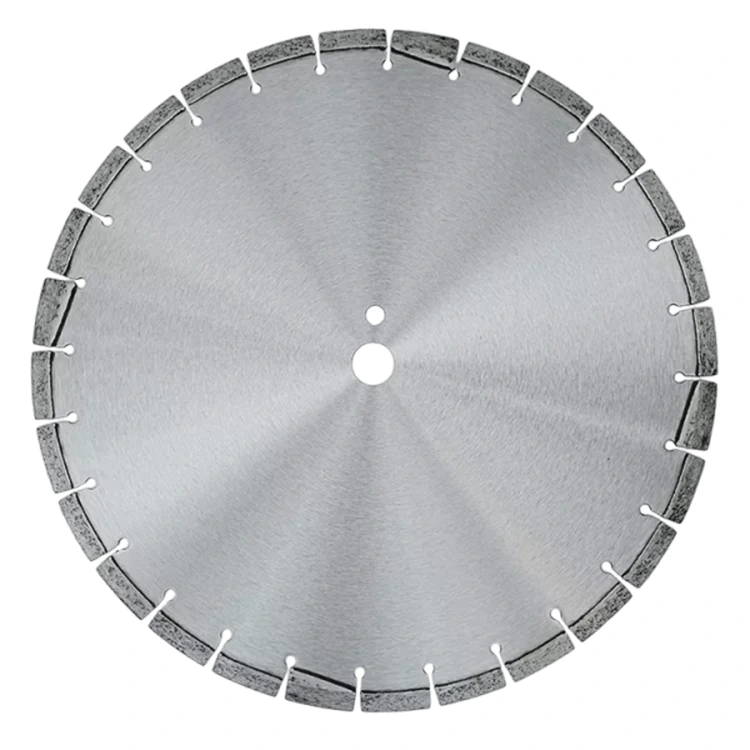
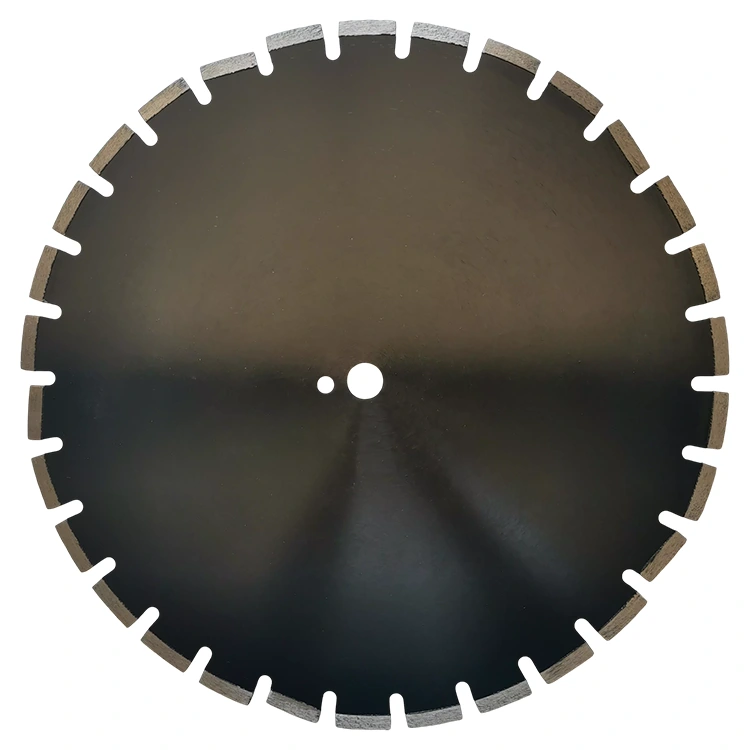
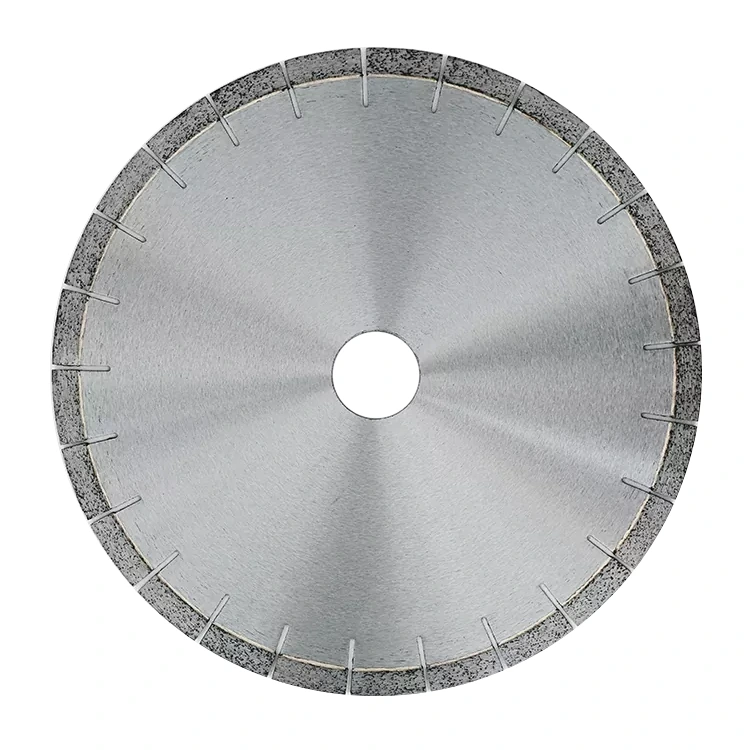
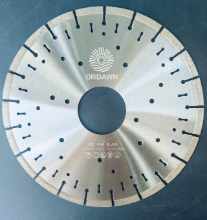
The fastest way to understand the two blades is to look at what actually touches the workpiece. On a diamond blade, thousands of small diamond crystals protrude from a metal segment. Every crystal acts as a tiny cutting point that grinds, scratches and fractures the material. As the bond wears, fresh diamond is exposed and the blade keeps cutting.
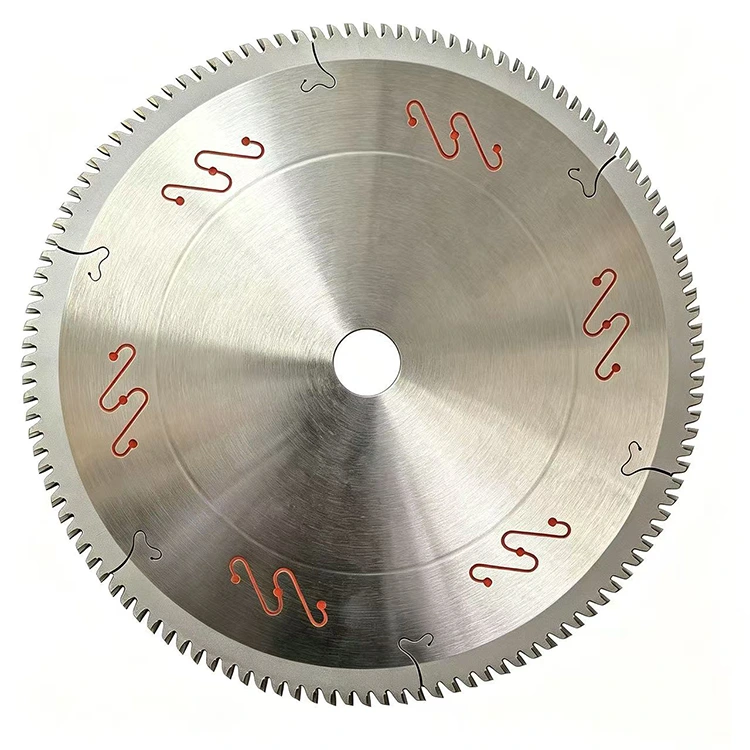
On an HSS blade, the cutting action comes from ground teeth with defined geometry: rake angle, clearance angle and a sharp edge. The blade removes material in chips. When the edge dulls, it can be reground and reused. That single difference — consumable grit versus regrindable edge — explains most of the differences in process, price and application that follow.
| Aspect | Diamond Saw Blade | HSS Saw Blade |
|---|---|---|
| Cutting principle | Abrasion by exposed diamond grit | Shearing by a ground steel tooth edge |
| Cutting element | Synthetic diamond crystals in a metal bond | Hardened high-speed steel teeth |
| Wear behaviour | Bond wears, new grit is exposed; segment is consumed | Edge dulls; blade can be reground |
| Typical blade body | Steel core with sintered or brazed segments / continuous rim | One-piece circular steel plate |
A diamond blade is an assembly, not a single piece of steel. The process starts with the segment mix: synthetic diamond grit is blended with metal powders — usually cobalt, copper, nickel, iron or pre-alloyed systems. The bond formulation decides how fast the segment wears and how strongly it holds the diamond.
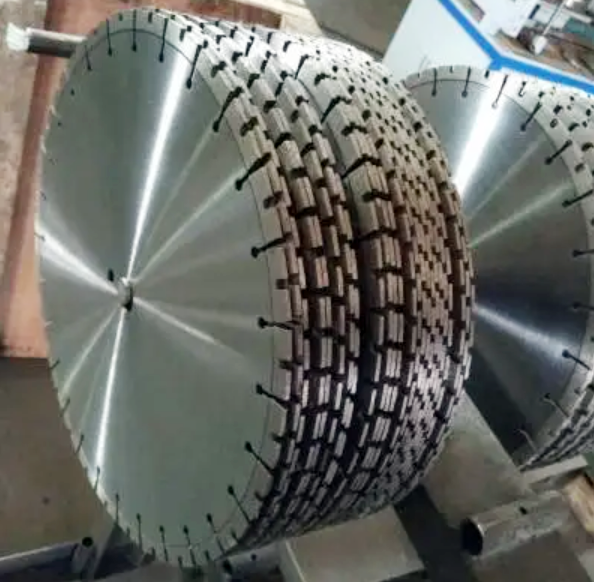
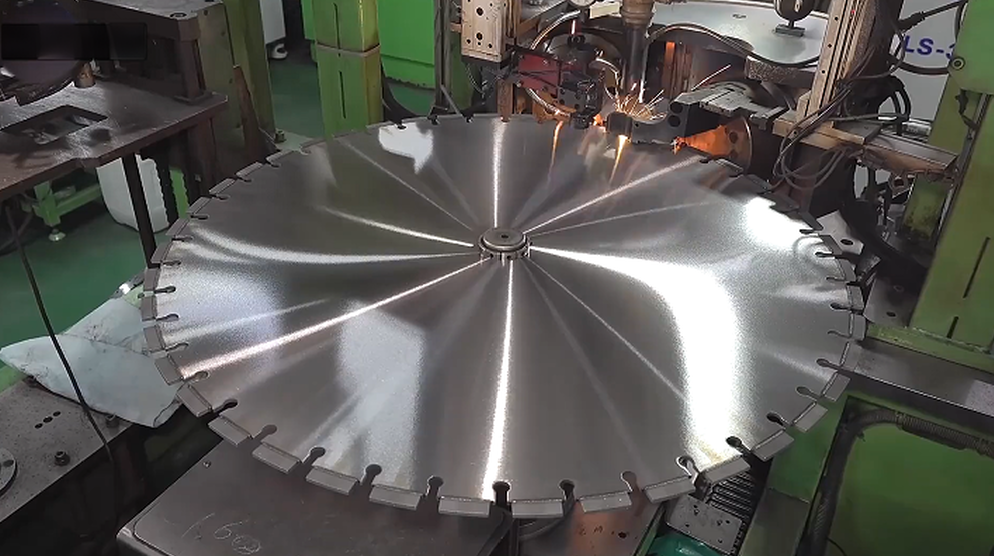
The mix is cold-pressed into a green compact and then hot-pressed or sintered at high temperature so the metal powders consolidate around the diamond. The sintered segments are attached to a tensioned steel core, most often by laser welding or silver brazing. Laser welding gives a strong metallurgical bond without filler metal and is preferred for dry and high-speed cutting; brazing uses a silver-containing filler alloy. The finished blade is then sharpened, balanced and inspected.
Because the cutting element is a consumable segment, manufacturing quality is mostly about the segment formula, the weld and the core. This is the mechanism behind the price differences explained in our guide to why same-size blades cost very different prices.
An HSS blade starts as a disc or bar of high-speed steel — an alloy built to keep its hardness at the high temperatures generated by metal cutting. Common grades contain tungsten, molybdenum, chromium, vanadium and cobalt, which give hot hardness and wear resistance.
The blank is blanked or machined to diameter, the arbor and mounting features are cut, and the periphery is formed into teeth. The blade is then heat treated — hardened and tempered to reach the required hardness — and the teeth are ground to final geometry. Grinding is the step that creates the actual cutting edge; it is also what makes a regrindable blade possible.
Some HSS blades are also fitted with carbide-tipped teeth. Those sit between the two families: the body and process are steel-based, but the cutting edge is a brazed carbide insert. They are widely used for wood, aluminium and non-ferrous metals — a distinction also covered in our practical buying guide to diamond, carbide-tipped and HSS blades.
The two routes share almost no steps. Diamond blades are powder-metallurgy products assembled onto a core; HSS blades are wrought-steel products machined and heat treated. That is why the two families need different equipment, different quality checks and different supplier expertise.
| Process Stage | Diamond Blade | HSS Blade |
|---|---|---|
| Raw feedstock | Diamond grit + metal bond powders + steel core | High-speed steel bar or disc |
| Forming | Cold press + hot press / sinter | Blanking, milling or machining |
| Heat treatment | Sintering of the bond, not hardening of steel | Hardening + tempering of the steel body |
| Cutting edge creation | Segment sharpening exposes new grit | Tooth grinding creates defined geometry |
| Joining | Laser welding or silver brazing to core | One-piece blade, no joining step |
| Rebuild option | Segment replacement only in special cases | Teeth can be reground several times |
| Key QC focus | Bond formula, weld strength, core flatness | Hardness, tooth geometry, runout |
One practical consequence: an HSS blade can be restored by sharpening, while a worn diamond segment is consumed. For a buyer, this changes the cost calculation from "price per blade" to "price per cut" — a point developed further in the next sections.
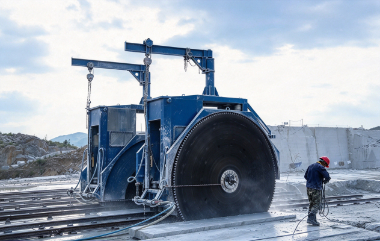
Diamond is the hardest known material, so it excels wherever the workpiece is abrasive. Abrasion is what destroys steel teeth: even a soft-looking stone contains mineral grains that grind an HSS edge away. Diamond grit, by contrast, keeps cutting as the bond releases fresh crystals.
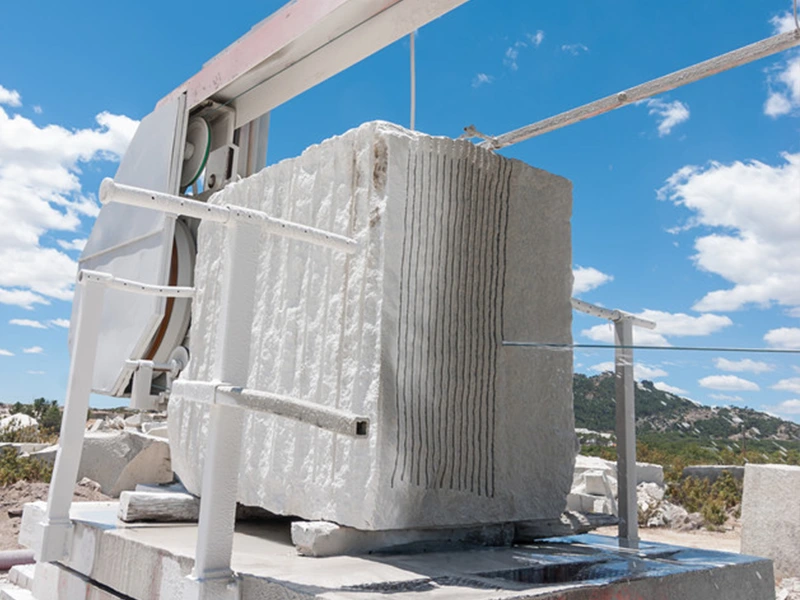
Within stone cutting, the diamond bond must be matched to the material: hard abrasive granite needs a softer bond that releases worn grit, while softer marble needs a harder bond that keeps diamond exposed longer. Our guide to diamond blades for granite explains that matching in detail.
Diamond blades are also the standard for dry cutting when the design supports it — laser-welded segments, heat-resistant bonds and controlled airflow. See which dry-cutting blade designs are reliable for the design features that matter.
HSS blades are the right choice when the material is not abrasive but does generate heat, or when a clean, regrindable steel edge is an advantage. High-speed steel keeps its hardness at the temperatures produced by metal cutting, which ordinary carbon steel cannot do.
The limit is abrasiveness. If the material contains silica, stone, ceramic or glass fibre, an HSS edge loses its sharpness quickly. Using an HSS blade on stone is not a cheaper alternative to diamond — it is simply the wrong cutting principle.
Use this matrix as a first filter. Within each "recommended" cell, the exact grade, tooth or bond and cooling method still need to be matched to the machine and the production target.
| Workpiece Material | Diamond Blade | HSS Blade | Practical Winner |
|---|---|---|---|
| Granite / hard stone | Excellent — soft-bond segmented blade | Very poor — rapid dulling | Diamond |
| Marble / soft stone | Excellent — harder bond, continuous rim | Poor | Diamond |
| Concrete / masonry | Excellent | Poor to very poor | Diamond |
| Ceramic tile / porcelain | Excellent — continuous rim | Poor — chipping and wear | Diamond |
| Steel / stainless | Not suitable — glazing and grit loss | Excellent | HSS / bimetal |
| Aluminium / non-ferrous | Generally not suitable | Good; carbide-tipped better | HSS or carbide-tipped |
| Wood / MDF / plywood | Not economical | Excellent — regrindable edge | HSS / carbide-tipped |
| Plastics | Not economical | Good | HSS |
Ratings assume the correct blade grade, machine speed and cooling. Always follow the blade manufacturer's application limits.
Diamond blades cost more upfront because they contain diamond grit and require sintering and welding. In abrasive material they still win on cost per cut, because an HSS blade would need repeated replacement or regrinding. In metal and wood the comparison reverses: an HSS blade is cheaper, serviceable and perfectly capable.
| Metric | Diamond Blade | HSS Blade |
|---|---|---|
| Purchase price | Higher, driven by grit, bond and welding | Lower for standard grades |
| Life in stone / concrete | Very long when bond is matched | Very short — not a valid application |
| Life in steel / wood | Short or unusable | Long; edge can be reground |
| Cut quality in tile | Clean, minimal chipping with continuous rim | Chipping, rapid edge loss |
| Heat management | Needs water or dry-cut design | Heat tolerant by alloy design; coolant still helps |
| Resharpening | Not resharpened in the field | Can be reground several times |
| Best buying metric | Cost per cut / square metre | Price per blade and regrind cycles |
If you buy both blade families, a single supplier that can specify each one correctly avoids the common mistake of using a diamond blade where a steel-tooth blade belongs. Oridawn focuses on diamond blades for stone cutting and integrates qualified partner factories for HSS, cermet and carbide blades, so customers can source both families under one specification process — see our one-stop cutting solution.
A diamond saw blade cuts by abrasion: synthetic diamond grit in a metal bond grinds through the material. An HSS saw blade cuts with a sharpened edge on hardened high-speed steel teeth. Diamond is used for stone, concrete, tile and ceramics; HSS is used for metal, wood and plastics.
Not effectively. Stone and concrete are highly abrasive and will dull an HSS tooth edge very quickly. The blade may appear to cut at first, but the edge loses geometry, the cut slows down and heat builds up. Use a diamond blade with a bond matched to the stone instead.
Diamond blades contain synthetic diamond grit and metal bond powders that are pressed and sintered into segments, then welded to a steel core. The materials and the process cost more. In stone and concrete the higher price is usually offset by much longer life and lower cost per cut.
Generally no. Steel can cause the segment to glaze over, so the diamond cannot be exposed and the blade stops cutting. It can also damage the bond and the weld. Use an HSS, bimetal or carbide-tipped blade for steel and other metals.
Start with the workpiece material. Abrasive materials such as stone, concrete, tile and ceramics need diamond. Metal, wood and plastics need a toothed blade — HSS or bimetal for general use, carbide-tipped for higher volume and non-ferrous materials. Then confirm the machine speed, cooling method and required cut quality.
Diamond and HSS saw blades are not competing versions of the same product. They are two different cutting principles, made by two different processes for two different groups of materials. Diamond blades are powder-metallurgy tools with consumable grit, built for stone, concrete, tile and ceramics. HSS blades are heat-treated steel tools with a regrindable edge, built for metal, wood and plastics.
Once you classify the workpiece first, the choice becomes straightforward. Match the cutting principle to the material, then confirm bond hardness or tooth geometry, machine speed, cooling and the required finish. That is the fastest way to avoid both poor cut quality and wasted blade budget.
Oridawn is a diamond saw blade manufacturer founded in 2016, with ISO 9001 production and blades exported to more than 50 countries. We specify diamond blades for stone and source qualified HSS, cermet and carbide blades through our partner factories. Tell us your material, machine and target output, and we will recommend the right blade family and grade.
Ask for a Blade Recommendation →