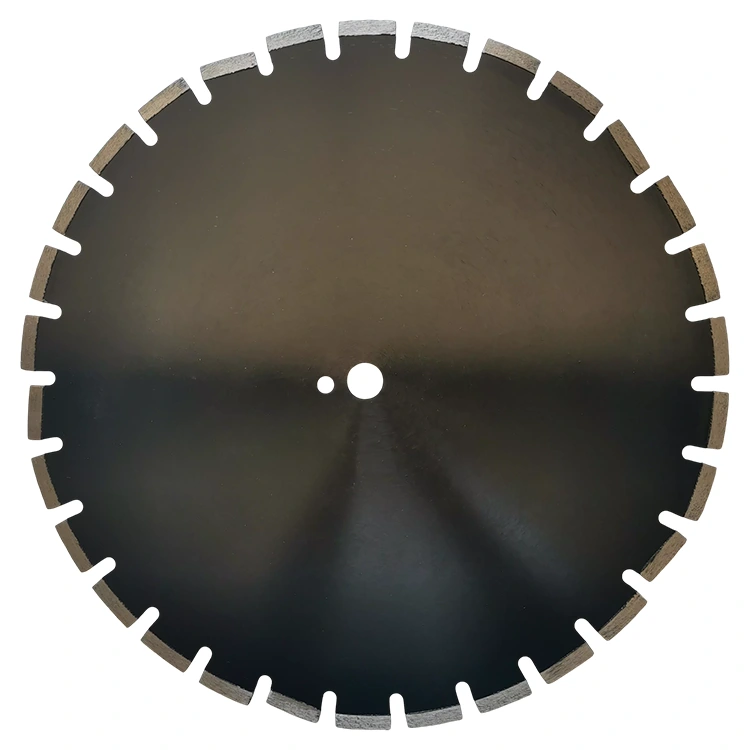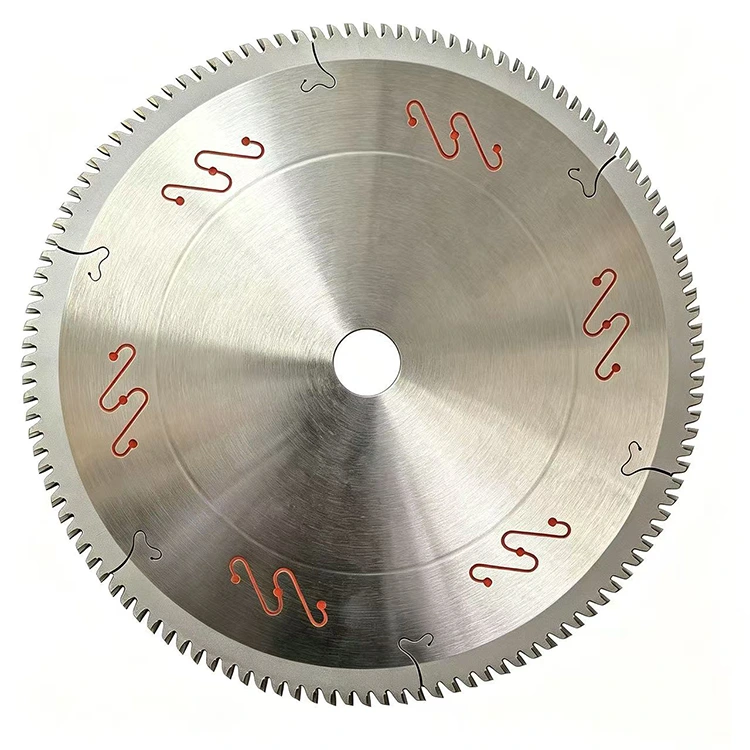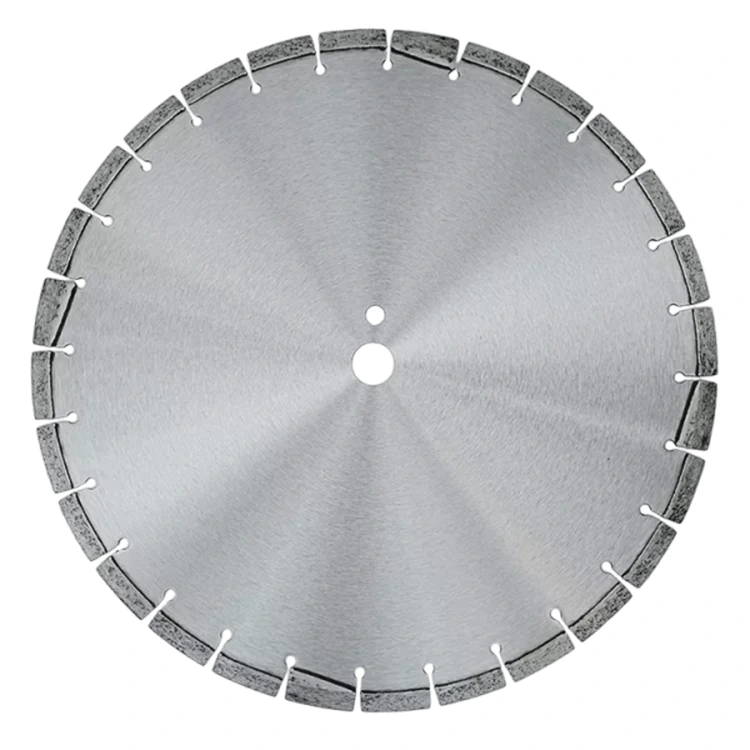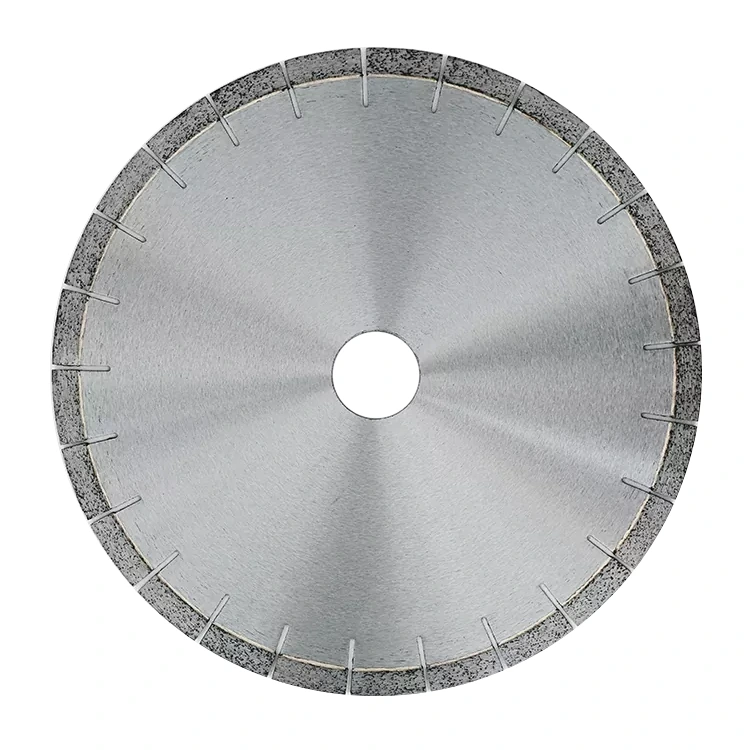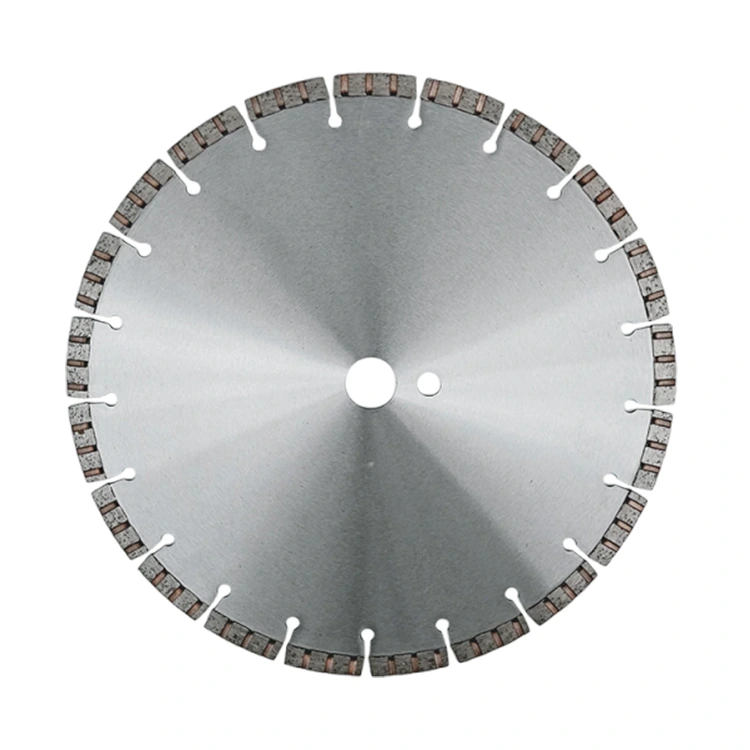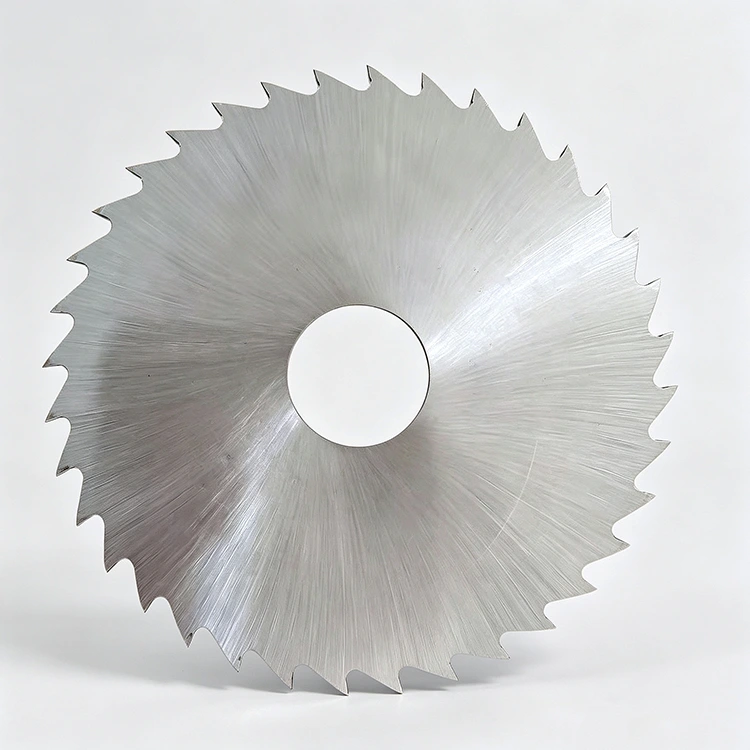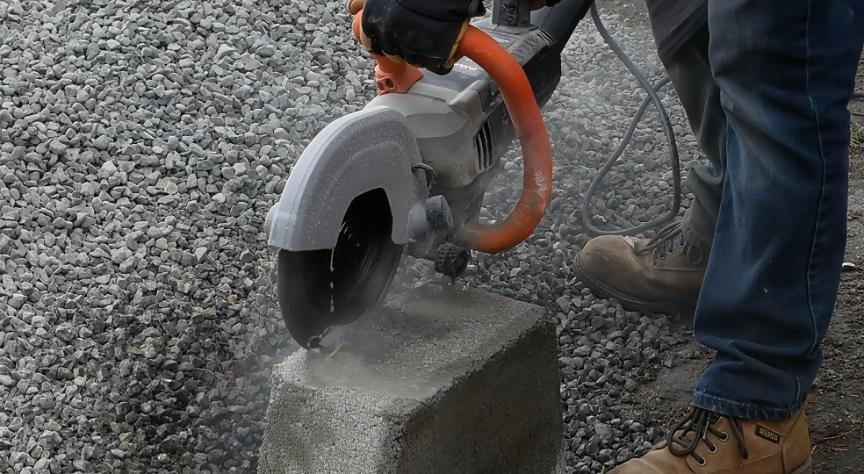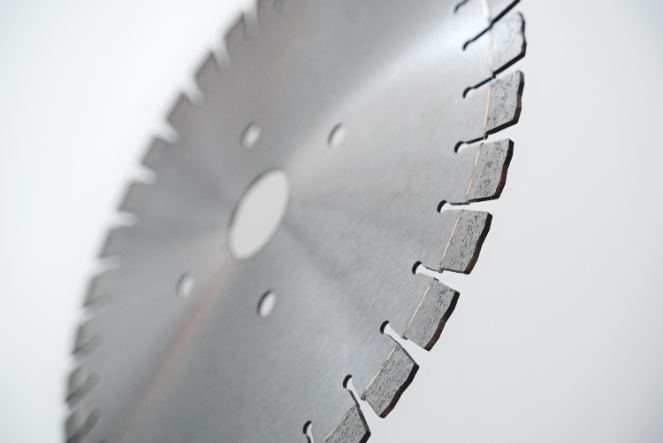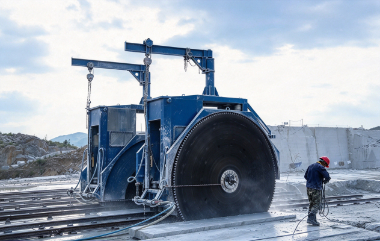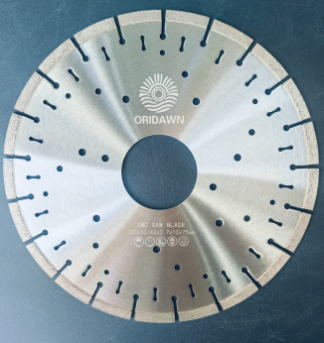

OEM diamond saw blades only work out if the spec is right before the first segment is sintered. This is the exact information sheet we ask every private-label buyer to send — diameter, bore, segment height, dry or wet cut, silent slots, logo and shipping marks — plus why each point changes the blade you receive.
By Steven, Director, ORIDAWN (Wuhan OridawnTechnology Co., Ltd.) · Published October 12, 2026 · 8 min read
Contents
1. Why the spec sheet decides everything
2. The 10-point OEM spec sheet
3. Dry cut vs. wet cut: the decision that changes the build
4. Silent slots: quiet by design, not by printing
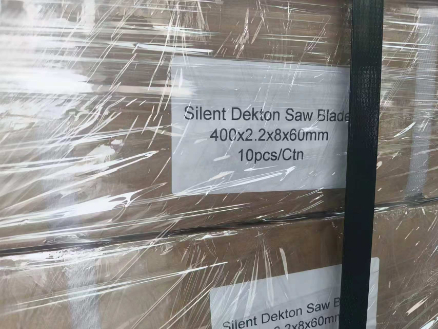
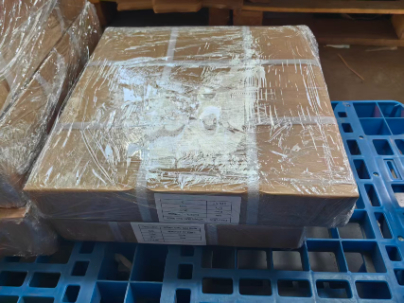
6. Shipping marks: what to print and why it matters
8. Terminology: English ↔ 中文, and common mistranslations
9. FAQ
|
# |
Spec item |
What to tell us |
Why it matters |
|
1 |
Material to cut |
Reinforced concrete, green concrete, asphalt, granite, marble, porcelain tile, ductile iron — and whether rebar is common in your market |
Drives diamond grit, concentration and bond hardness. Abrasive asphalt needs a completely different bond from hard granite. |
|
2 |
Blade dimensions |
Diameter × core thickness × bore, in mm — e.g. 300 × 3.0 × 22.23 mm |
Sets the core steel, tooling and test speed. Bore precision matters: 7/8" is 22.23 mm, not 22.2 mm — a 0.03 mm error is a saw that vibrates. |
|
3 |
Segment height |
Segment (diamond tooth) height in mm — commonly 7–18 mm — and segment width |
Taller segments cut deeper and last longer per pass, but expose more steel to abrasion and raise the risk of segment loss if the bond is too hard for the material. |
|
4 |
Dry or wet cut |
Dry, wet, or both — see the comparison table below |
Changes the bond formulation and the welding method. Dry cutting runs hot and usually needs a laser-welded core. |
|
5 |
Silent slots |
Yes / no; if yes, standard two-slot pattern or your drawing |
Silent slots are cut into the core with a laser. They cannot be added after production — the core is made with them or without. |
|
6 |
Bond & performance target |
Soft / medium / hard bond preference, target cutting life in linear metres, and the competitor blade you benchmark against |
A benchmark blade is the fastest way for our lab to match the feel your customers expect. |
|
7 |
Logo & branding |
Vector artwork (AI/PDF/CDR), engraving position on the core, and whether the logo also goes on the label and carton |
Laser engraving is permanent; screen print is cheaper but wears under slurry. Vector artwork avoids redraw fees and delays. |
|
8 |
Packaging |
Cartons, inner boxes, plastic clamshells, or your own retail pack — and how many blades per unit |
Retail-ready packaging for hardware stores needs different tooling than bulk cartons for contractors. |
|
9 |
Shipping marks |
Marking text, layout or artwork — see the shipping mark section below |
Correct marks prevent customs holds, especially for US entries with AD/CVD reporting requirements. |
|
10 |
Quantity, market & documents |
Order quantity per size, MOQ expectations, destination market, and required certificates (CE, EN 13236 marking, test reports) |
Quantity per size drives pricing; the destination market decides which marking and trade measures apply. |
Expert detail worth knowing: blades of 300–400 mm used on hand-held cutting-off machines are typically rated to 100 m/s maximum operating speed, because the machines these blades are used on run faster than 80 m/s. If you are quoting a 300 mm blade, confirm the speed rating with your saw's manual before ordering — and tell us, so we mark it correctly under EN 13236.
|
Aspect |
Wet cut |
Dry cut |
|
Cooling |
Water removes heat and flushes slurry |
Air only — the core and bond must shed heat by design |
|
Typical welding |
High-frequency (induction) welded segments are standard |
Laser-welded core strongly preferred; high-frequency joints can fail when overheated |
|
Bond |
Standard formulation, softer bonds cut fast on hard concrete |
Bond formulated for higher temperature and dry abrasion |
|
EN 13236 restriction code |
RE10 = only permitted for wet cutting-off |
RE3 = not permitted for wet cutting-off |
|
Dust |
Suppressed by water; slurry cleanup required |
High silica dust — needs dust extraction or respirator on site |
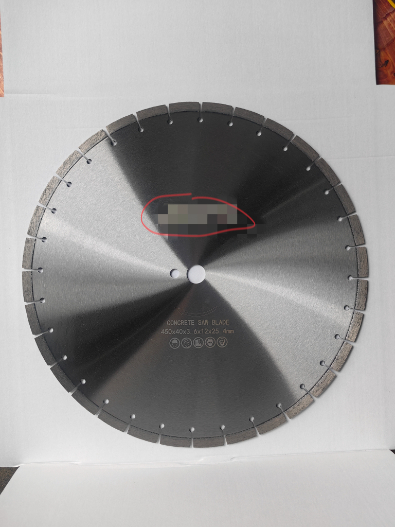
· Laser engraving on the core — permanent, cannot be rubbed off by slurry or cleaning. Standard for distributor brands. We will confirm the engraving size against the blade diameter; on a 105 mm blade there is simply less room than on a 400 mm wall saw blade.
· Screen printing on the core — cheaper per unit, fine for lighter retail use, but wears faster under abrasive slurry.
· Segment-side or label marking — some programmes mark the part number and application code on the label only; this is the cheapest route but weakest for brand visibility on site.
· Private label under an oSa label — if you sell under the oSa safety label, a private label number is required on all private label products bearing the oSa logo. Send us your private label number with the artwork.
Send vector artwork (AI, PDF or CDR), not raster images. A redrawn logo from a low-resolution PNG is the most common cause of a delayed first
shipment — it is a five-minute fix at your end and a two-week problem at ours.
|
Mark element |
What it says |
Why it matters |
|
Consignee / your brand |
Your company name or agreed abbreviation |
First identification at the port and in the warehouse |
|
PO number |
Purchase order reference, exactly as on your documents |
Ties the carton to the order during inspection and claims |
|
Product code & size |
Your SKU plus diameter × thickness × bore |
Lets your warehouse pick without opening cartons |
|
Quantity & carton numbering |
Pieces per carton, carton X of Y |
Shortage claims are settled against carton numbers |
|
Weight & dimensions |
Net and gross weight, carton size in cm |
Freight quoting and pallet planning |
|
Country of origin |
"Made in China" (or as applicable) |
For US entries, origin marking must be legible, permanent and conspicuous under the marking rules your broker will confirm |
|
Handling marks |
Fragile, this way up, keep dry, stack limit |
Blades arrive unbent — the most common transit damage is a crushed corner carton |
|
Trade-measure reference |
AD/CVD case number where required |
For US entries of diamond saw blades, the AD/CVD case number (A-570-900) goes on the entry line alongside the HTS number |
US buyers, read this twice: the antidumping and countervailing duty order on diamond sawblades and parts from China (A-570-900) has been in force since 2009 and was continued after a sunset review in 2021; a new sunset review was initiated in March 2026. The written scope description — not the HTS code — is what decides whether your blade is in scope, and the scope excludes, among others, blades thinner than 0.025 inch or thicker than 1.1 inch, and blades where the diamond is bonded by resin or electroplating without segments. Confirm scope, classification and current deposit rates with a licensed customs broker before you price an order. We do not publish rate figures because they change with each administrative review.
OEM DIAMOND SAW BLADE — SPEC REQUEST
1. Material to cut: ______________ (rebar common? Y/N)
2. Size (dia × thickness × bore, mm): ________ × ____ × ____ mm
3. Segment height / width (mm): ____ / ____
4. Cutting mode: ☐ dry ☐ wet ☐ both
5. Silent slots: ☐ no ☐ standard two-slot ☐ per attached drawing
6. Bond preference: ☐ soft ☐ medium ☐ hard Target life: ____ m
7. Benchmark blade (competitor / your current SKU): ______________
8. Logo: ☐ laser engrave on core ☐ screen print ☐ label only
Artwork attached: ☐ yes (vector) Position on core: ______________
9. Packaging: ☐ bulk carton ☐ inner box ☐ clamshell ☐ our retail pack
Blades per unit: ____
10. Shipping marks: ☐ per attached artwork ☐ use text below
Consignee: ______ PO#: ______ Origin mark: ______ Handling: ______
11. Quantity per size: ______ MOQ target: ______
12. Destination market: ______ Documents needed: ______________
|
English |
中文 |
Notes |
|
segment |
刀头 |
The diamond-containing tooth welded to the core; its height is a core spec item |
|
bond matrix |
胎体 |
The metal powder that holds the diamond; hardness is matched to the material |
|
core / steel core |
基体 |
The steel disc; silent slots and laser welding live on this part |
|
bore / arbor hole |
轴孔 |
7/8" = 22.23 mm — convert exactly, never round to 22.2 mm |
|
gullet / silent slot |
排屑槽 / 静音槽 |
Laser-cut openings in the core for noise, heat and chip clearance |
|
dry cutting / wet cutting |
干切 / 湿切 |
Decides bond and welding method; EN 13236 codes RE3 vs RE10 |
|
laser welding |
激光焊接 |
Stronger joint, supports dry cutting; not the same as high-frequency welding |
|
high-frequency welding |
高频焊接 |
Standard for wet-cut blades; translating both weld types as "welded blade" hides a critical difference |
|
sintering |
烧结 |
How segments are made; not "curing", which belongs to resin-bond wheels |
|
shipping mark |
唛头 |
The carton/pallet marking block specified in your spec sheet |
What is the minimum information you need to quote an OEM diamond saw blade?
At minimum: the material you will cut, blade diameter, core thickness, bore (arbor) size, segment height, and whether you cut dry or wet. With those six points we can quote a working spec. Add quantity, target price and destination market and we can also advise on certifications, packaging and shipping marks.
Does dry cut or wet cut change the blade design?
Yes, significantly. Wet cutting cools the blade and suppresses silica dust, so standard high-frequency welded segments work well. Dry cutting runs much hotter, so we normally recommend a laser-welded core with a bond formulated for dry use, and the blade must be marked with the correct EN 13236 restriction code — RE3 means not permitted for wet cutting-off, RE10 means only permitted for wet cutting-off. Telling us which one you intend avoids a blade that arrives mis-marked or fails on site.
What do silent slots on a diamond blade actually do?
Silent slots — also called gullets or silencing slots — are laser-cut openings in the steel core, usually on both sides of the segments. They break the vibration pattern that makes a cutting blade whistle, so the blade runs measurably quieter, and they also help with heat and chip clearance. They are a core design feature, not a printing option, so they must be decided before production, not added later.
Can you put our logo on the blade itself?
Yes. The most common method is laser engraving your logo and part number on the core, which is permanent and cannot be rubbed off; screen printing on the core is cheaper but wears faster under abrasive slurry. For private-label programmes sold under an oSa label, note that a private label number is required on all private label products bearing the oSa logo. Send us vector artwork and we will confirm the engraving size against the blade diameter before the first batch.
What should our shipping marks include?
A workable shipping mark carries your company name or abbreviation, purchase order number, product code, quantity, net and gross weight, carton dimensions, destination port, country of origin, and handling marks such as fragile or this way up. For US entries, country-of-origin marking must be legible, permanent and conspicuous, and the AD/CVD case number A-570-900 should be reported on the entry line. We will print the marks you specify and confirm a mark proof before shipment.
Which certifications should we ask about for EU and US markets?
For the EU, diamond blades sold on hand-held cutting-off machines are marked under EN 13236, which requires ten marking elements — the first nine are mandatory and the PPE pictogram is mandatory in France. For the US, confirm the HTS classification (diamond saw blades typically fall under 8202.39.00) and the current status of the antidumping and countervailing duty order on Chinese diamond saw blades with a licensed customs broker, because deposit rates and scope rulings change. We produce under ISO 9001 and can supply the documents your market requires.
Steven — Director, ORIDAWN (Wuhan Oridawn Technology Co., Ltd.)
Steven has worked in the diamond tool industry for nearly a decade and leads OEM programmes for importers and distributors in more than 50 countries. ORIDAWN manufactures segmented diamond saw blades at its 33,333 m² ISO 9001-certified plant in Hubei, China. Learn more about ORIDAWN, browse the diamond saw blade product range, or send your spec sheet to the sales team.