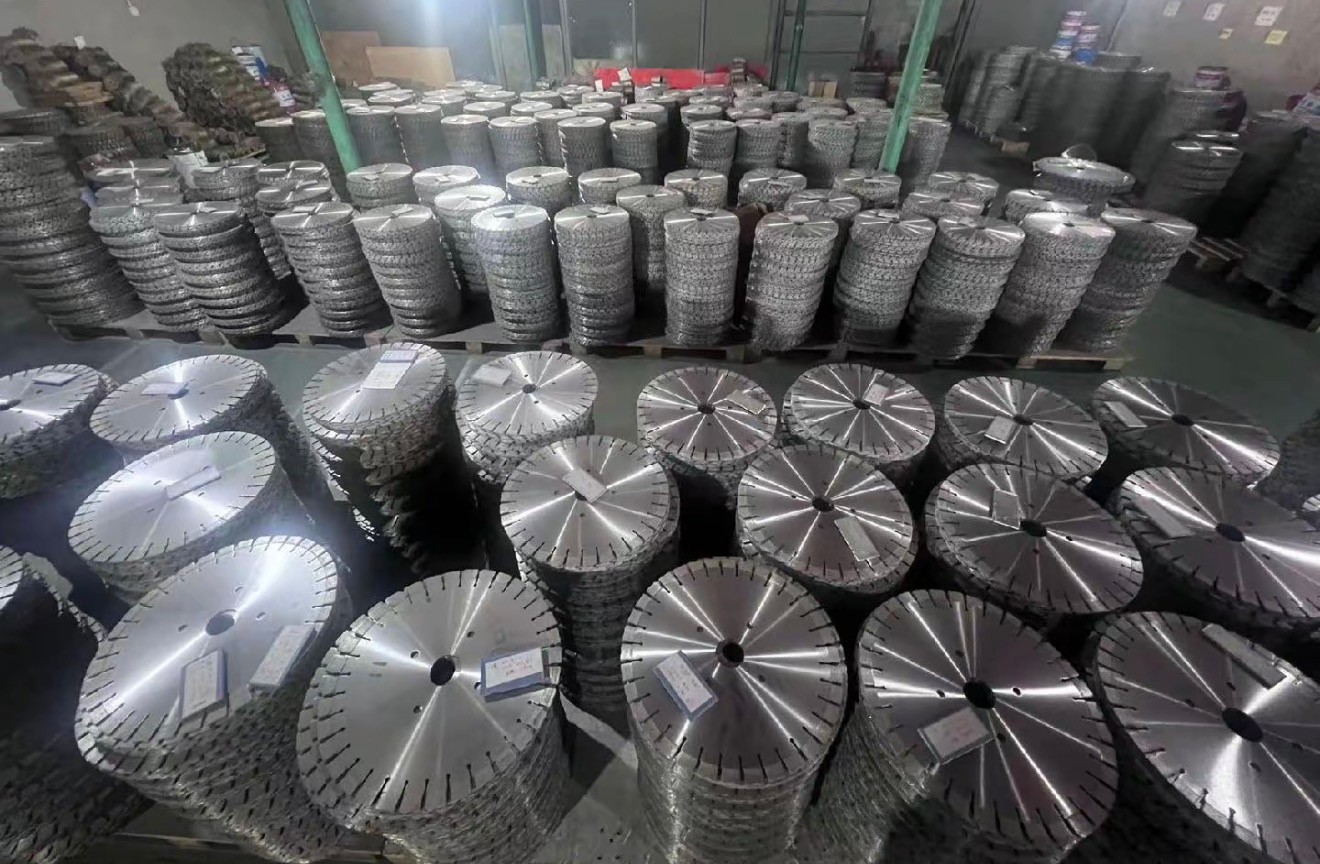

Buying the wrong saw blade costs you twice: once in wasted money, and again in rework, slow cutting, and damaged material. Yet "saw blade" is one of the most misunderstood product categories in the cutting-tool industry — largely because three completely different blade types are sold under the same name.
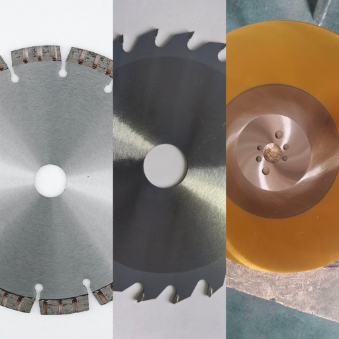
In this guide, we break down the three dominant blade families on the market today — diamond saw blades, carbide-tipped (alloy) saw blades, and high-speed steel (HSS) saw blades — what each one is made of, what it should (and should not) cut, and how to choose the right blade for your application.
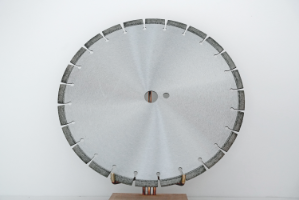
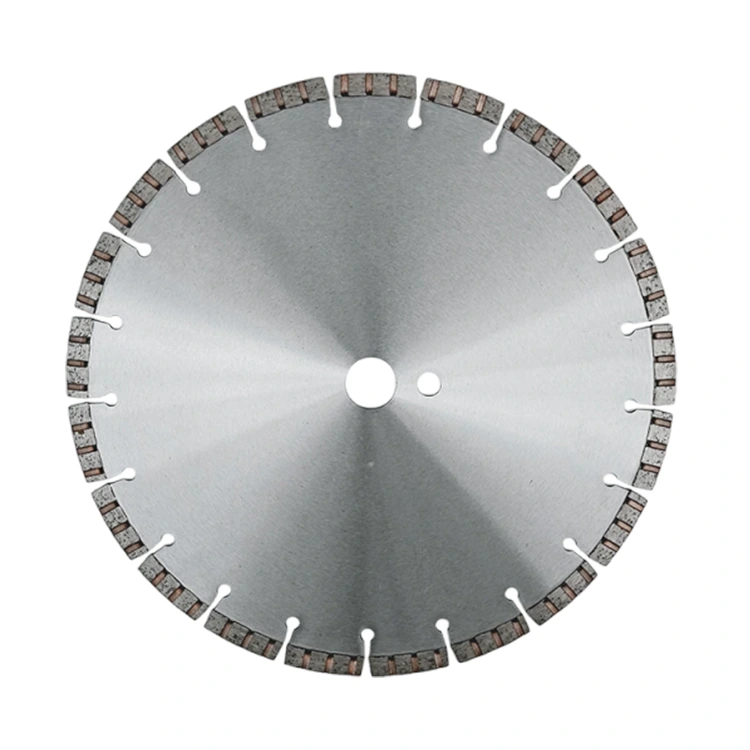
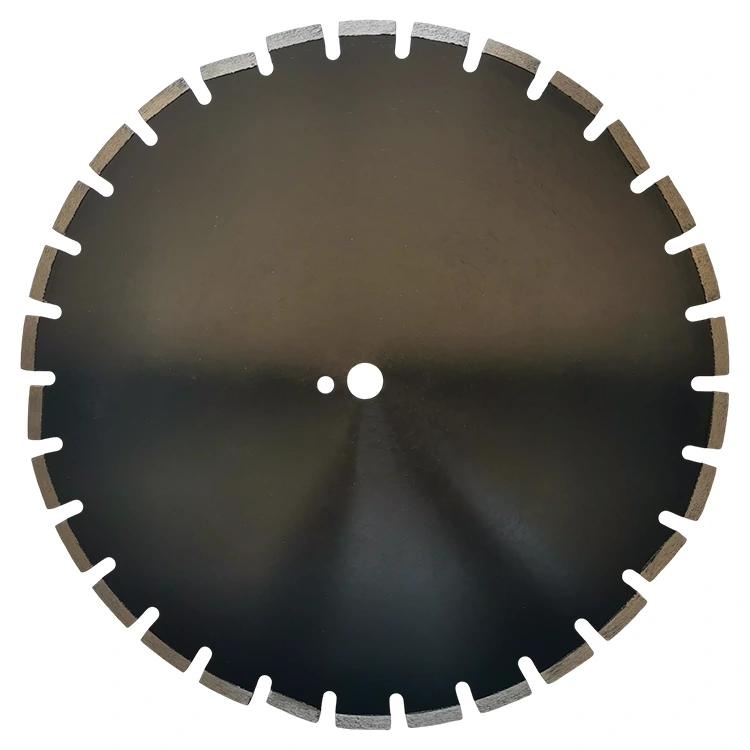
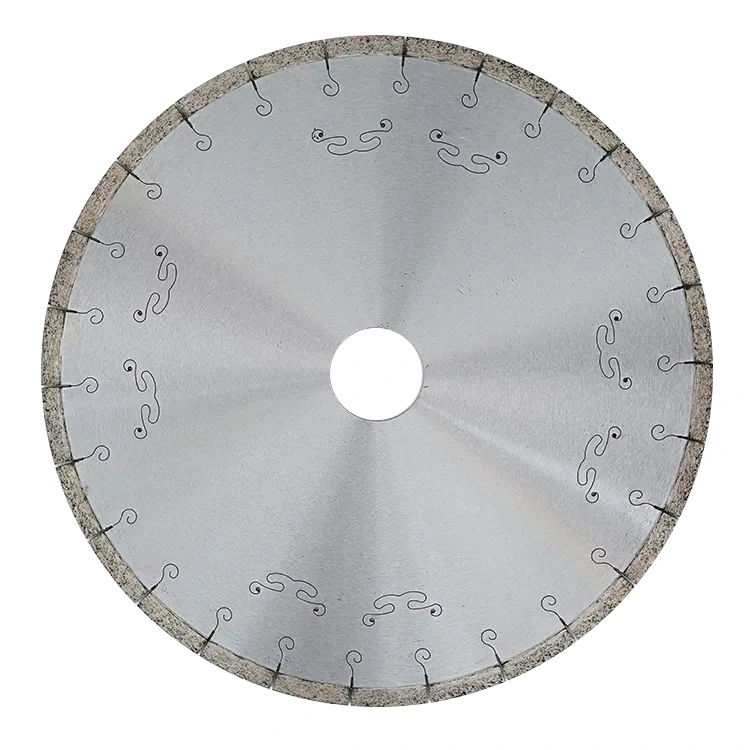
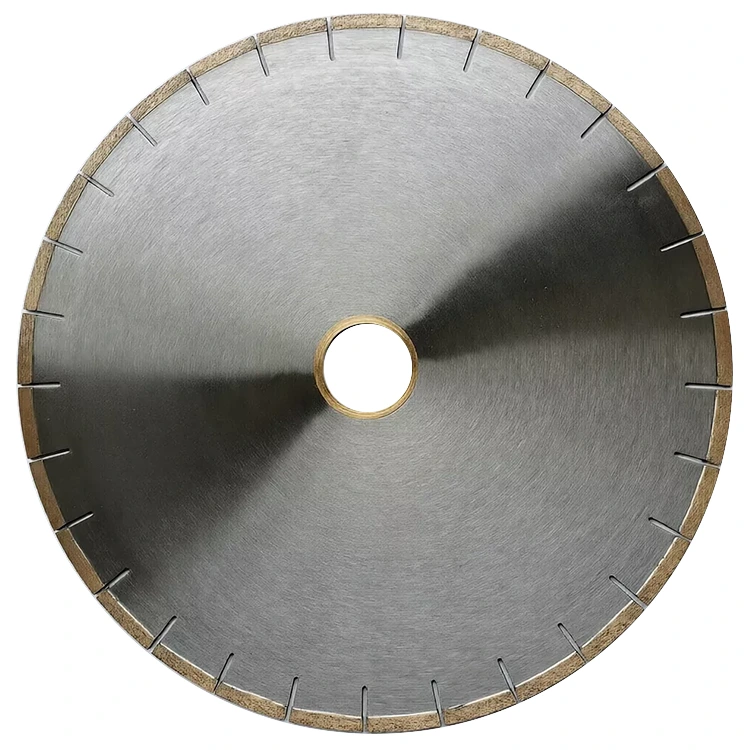
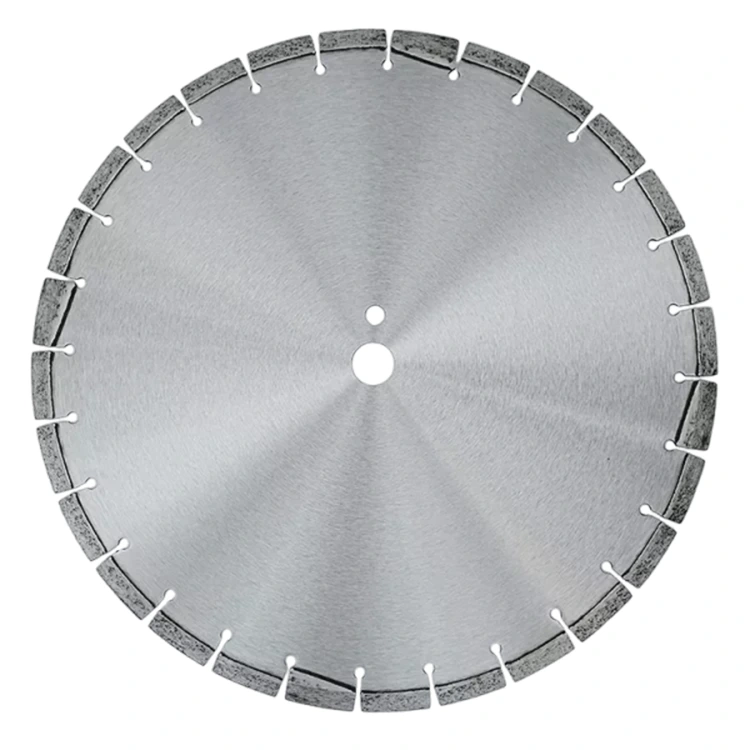
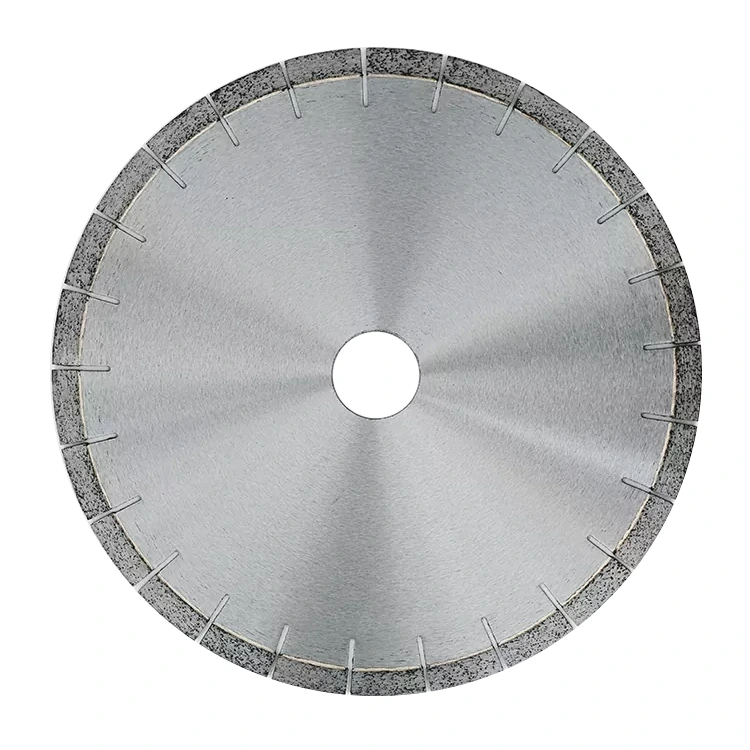
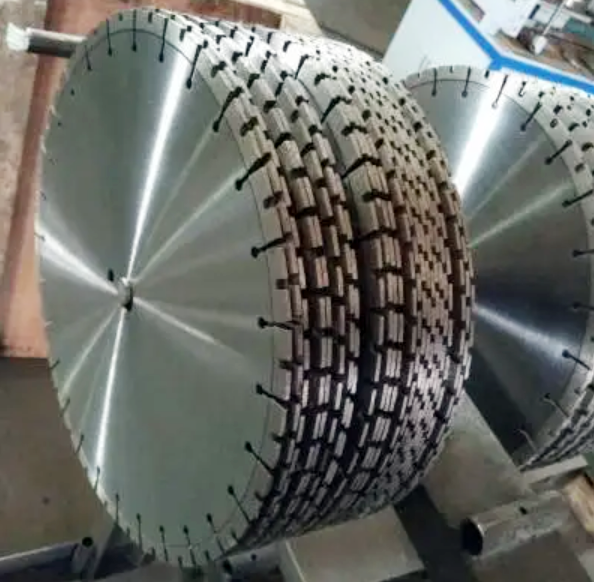
A diamond saw blade uses a steel core with synthetic diamond segments bonded to its cutting edge — typically through laser welding, high-frequency (silver) brazing, or sintering. Diamond is the hardest known material, which makes these blades the only practical choice for cutting hard, abrasive, or brittle materials.
Typical applications:
· Concrete, reinforced concrete, and precast panels
· Asphalt and road surfaces
· Natural stone: granite, marble, sandstone, travertine
· Ceramic tile, porcelain, and glass
· Refractory brick and masonry
Key things to check when buying:
. Manufacturing process. Laser-welded segments hold up under dry cutting and high temperatures far better than brazed ones. For professional concrete work, laser-welded blades are the industry standard.
. Bond hardness. The metal matrix holding the diamonds must match the material: harder bonds for abrasive materials like asphalt and green concrete, softer bonds for hard, dense materials like granite and porcelain.
. Wet vs. dry cutting. Wet cutting extends blade life and controls dust; dry cutting requires a blade explicitly rated for it.
Where they don't belong: wood, plastics, and mild steel. Diamond doesn't "cut" metal efficiently, and the blade will glaze, overheat, or bind.

Often called alloy saw blades or TCT (tungsten carbide-tipped) blades, these have a hardened steel body with teeth tipped in tungsten carbide — a compound nearly as hard as diamond but far tougher in impact situations. This is the workhorse blade for anything fibrous or moderately soft.
Typical applications:
· Solid wood, plywood, MDF, and particleboard
· Fiber cement board
· Plastics: PVC, acrylic, HDPE
· Non-ferrous metals: aluminum profiles, copper, and brass (with the correct tooth geometry)
· Laminate flooring and composite decking
Key things to check when buying:
. Tooth count. Fewer teeth (24–40) remove material faster for ripping; more teeth (60–100+) produce cleaner finishes for crosscutting and laminates.
. Tooth geometry. Alternate top bevel (ATB) for clean wood crosscuts; triple-chip grind (TCG) for aluminum and plastics; flat-top for ripping.
. Plate quality and runout. A precision-ground, tensioned plate keeps the cut straight and the blade stable at speed.
Where they don't belong: ferrous metals (standard steel, stainless) — carbide teeth chip — and any masonry or stone, which destroys them in minutes.
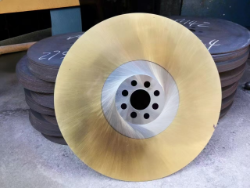
High-speed steel is a tungsten-molybdenum alloy tool steel that retains hardness at temperatures up to around 600 °C. HSS blades are made from a single piece of steel — no brazed tips — which makes them tough, inexpensive, and easy to resharpen.
Typical applications:
· Mild steel: angle iron, tube, pipe, and flat bar
· Stainless steel (at reduced feed rates)
· Non-ferrous metals and thin-gauge sheet
· General-purpose metal fabrication and maintenance cutting
Key things to check when buying:
. Grade. M2 is the standard grade; cobalt-alloyed grades (M35/M42) hold an edge longer in stainless and hardened alloys.
. Coating. Titanium nitride (TiN) or similar coatings reduce friction and extend life in production environments.
. Tooth form. Most HSS cold-saw blades use a specific hook or rake angle — match it to the wall thickness of the material to avoid grabbing thin-walled tube.
Where they don't belong: wood (carbide is far more durable) and anything harder than tool steel itself, including concrete and stone.
|
Factor |
Diamond Blade |
Carbide-Tipped (Alloy) Blade |
HSS Blade |
|
Cutting material |
Tungsten carbide matrix + synthetic diamonds |
Tungsten carbide tips on steel body |
Solid high-speed steel (M2/M35) |
|
Best for |
Concrete, stone, tile, asphalt |
Wood, plastics, aluminum |
Mild steel, stainless, tubing |
|
Typical lifespan |
Longest (hardest cutting edge) |
Long (resurfaced by re-tipping) |
Moderate (resharpenable many times) |
|
Relative cost |
Highest |
Medium |
Lowest |
|
Common diameters |
105–1,200 mm+ |
100–600 mm |
80–400 mm |
|
Biggest mistake |
Using on wood or mild steel |
Using on ferrous metal or stone |
Using on wood or abrasive materials |
. Identify the material first. Material hardness and abrasiveness eliminate two of the three blade families immediately. Stone-family materials → diamond. Wood/plastics/non-ferrous → carbide-tipped. Ferrous metal → HSS.
. Match the diameter and arbor to your machine. Never use a blade rated below your machine's maximum RPM — the blade body is rated for a specific rotational speed.
. Choose teeth/segments for the finish you need. Faster removal versus cleaner finish is the trade-off in every blade family.
. Verify the manufacturing standard. For professional use, buy from manufacturers with documented quality systems (e.g., ISO 9001) and published test data. Cheap unbranded blades often fail safety standards and cost more per meter cut.
Across job sites and production lines, the blade is a small fraction of total project cost — but it determines cutting speed, finish quality, worker safety, and how often you stop to change blades. A well-made blade from a certified manufacturer typically cuts more meters per dollar over its life than a bargain blade, before counting the value of cleaner cuts and less downtime.
For buyers sourcing at volume, the practical checklist is short: confirmed manufacturing process (laser-welded, brazed, or solid HSS), material certification, batch traceability, and a supplier who can document diameter, bore, and RPM ratings for every SKU.
No. The three blade families exist because material properties differ too much. Using a blade on the wrong material is the leading cause of premature blade failure — and of kickback and injury.
Neither is the right first choice for steel. Use an HSS blade for ferrous metals. Carbide-tipped blades with the correct tooth geometry are suitable only for non-ferrous metals such as aluminum.
For concrete, stone, and tile work — yes. Diamond blades cut these materials far faster and last dramatically longer than any alternative, which usually makes them the lowest cost per cut despite the higher upfront price.
The blade or its packaging states a maximum RPM and dry/wet rating. Laser-welded diamond blades generally tolerate dry cutting; brazed blades require water in demanding applications.
It depends on the material and feed rate, but HSS blades can typically be resharpened several times, which keeps the cost per cut very low in metal fabrication.
About the author: This guide is produced by ORIDAWN (Wuhan Oridawn Technology), a diamond saw blade manufacturer with over 10 years of industry experience, ISO 9001-certified production, and exports to more than 50 countries. Questions about blade selection for your application? Contact our technical team via www.oridawntech.com.