
Cutting Efficiency Is Closely Related to Material Utilization
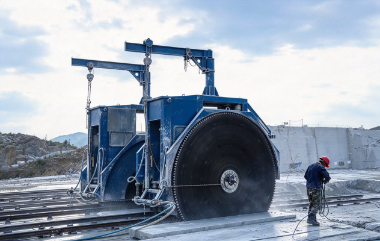
In stone processing, improving block utilization rate is one of the key goals for manufacturers. Every additional millimeter of cutting loss can increase material waste and reduce overall profit.
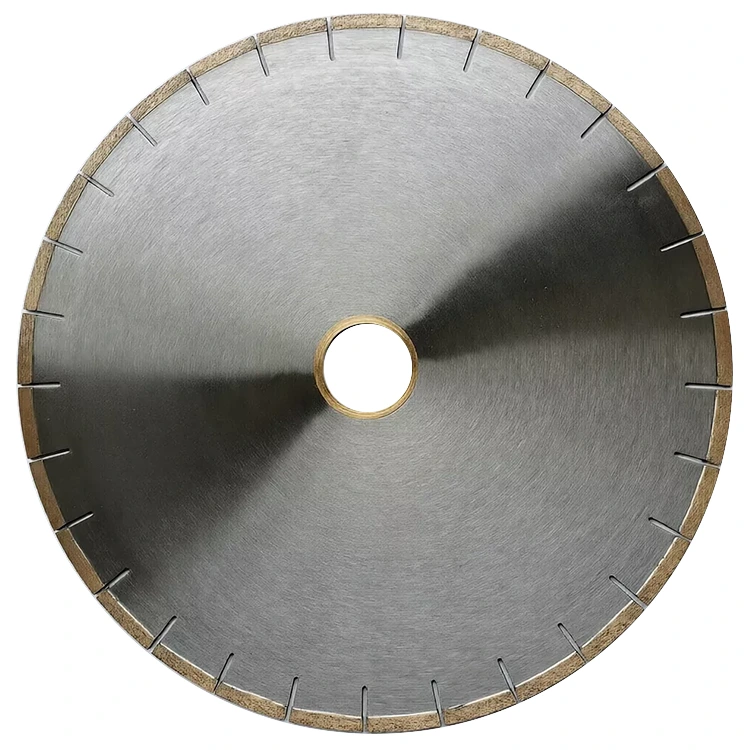
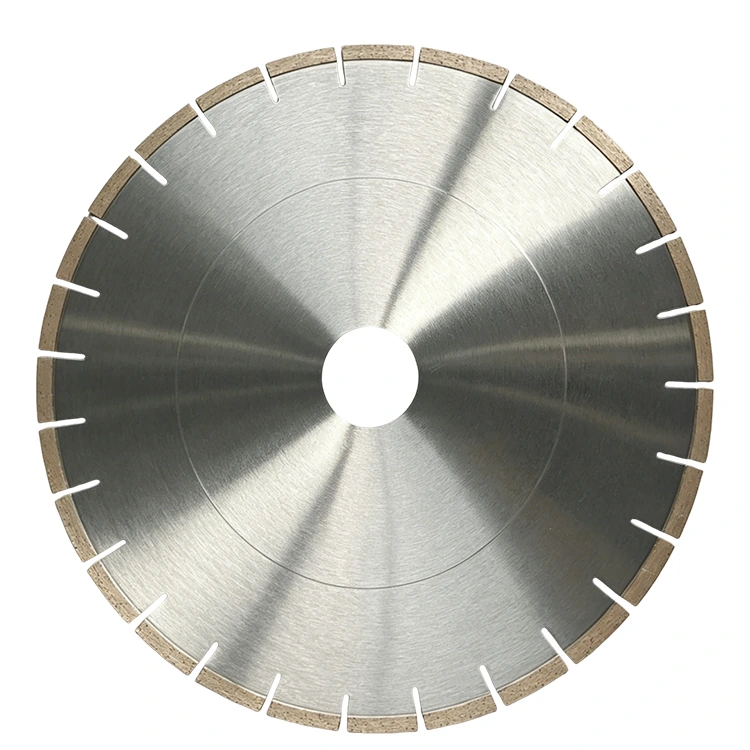
Many customers focus on cutting speed and blade lifespan, but the design parameters of the Diamond Saw Blade also directly affect material utilization. A properly selected blade can help reduce cutting loss, improve slab output, and maximize the value of each stone block.
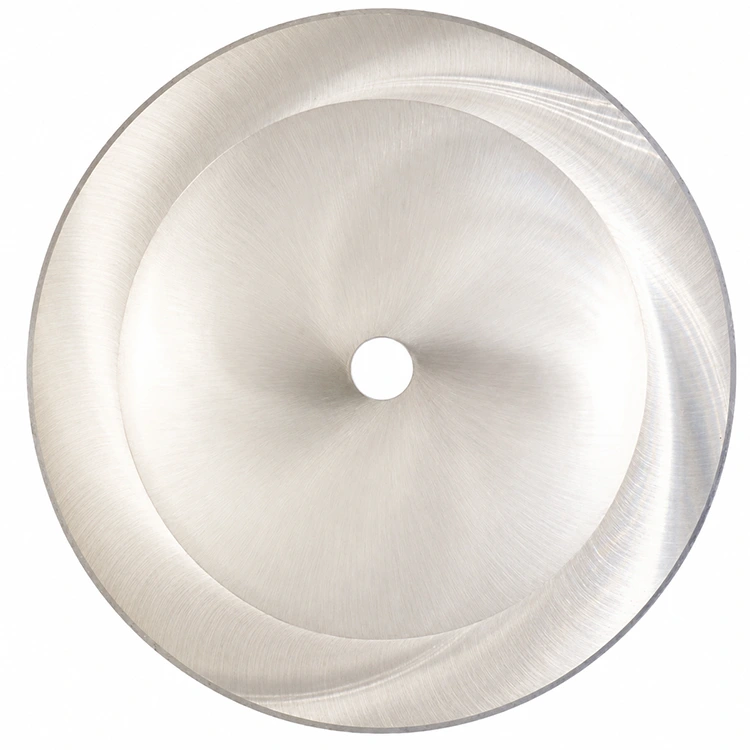
Blade Thickness Directly Affects Cutting Loss
One of the most important factors affecting material utilization is blade thickness.
A thicker blade usually provides stronger stability and durability, but it also creates a wider cutting gap, which means more stone material is removed during cutting.
For high-value materials such as granite, marble, and quartz stone, reducing unnecessary cutting loss is especially important.
A properly designed Diamond Saw Blade balances strength and thickness, allowing stable cutting while minimizing material waste.
For large-scale stone processing, choosing the right blade thickness according to machine conditions and material characteristics can significantly improve block utilization.
Segment Design Influences Cutting Accuracy
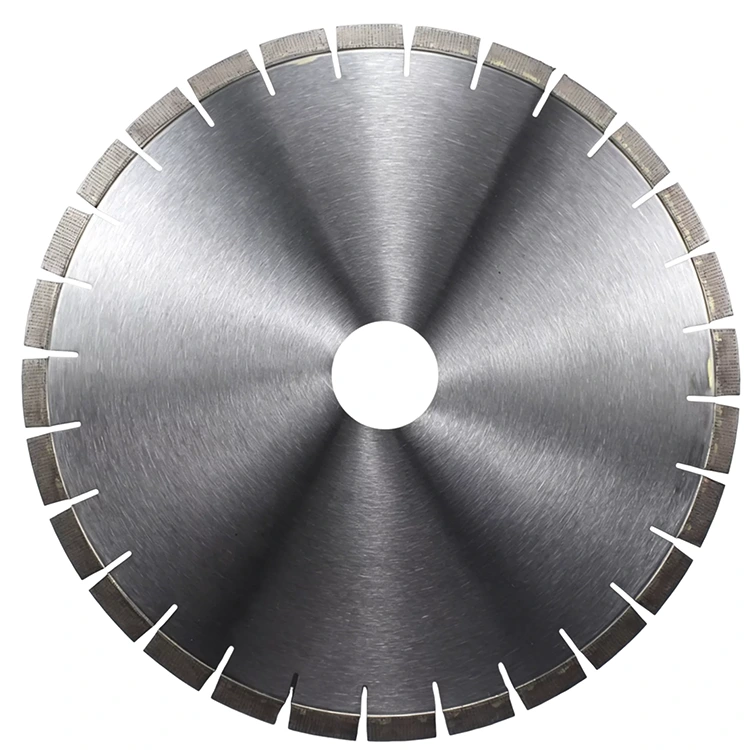
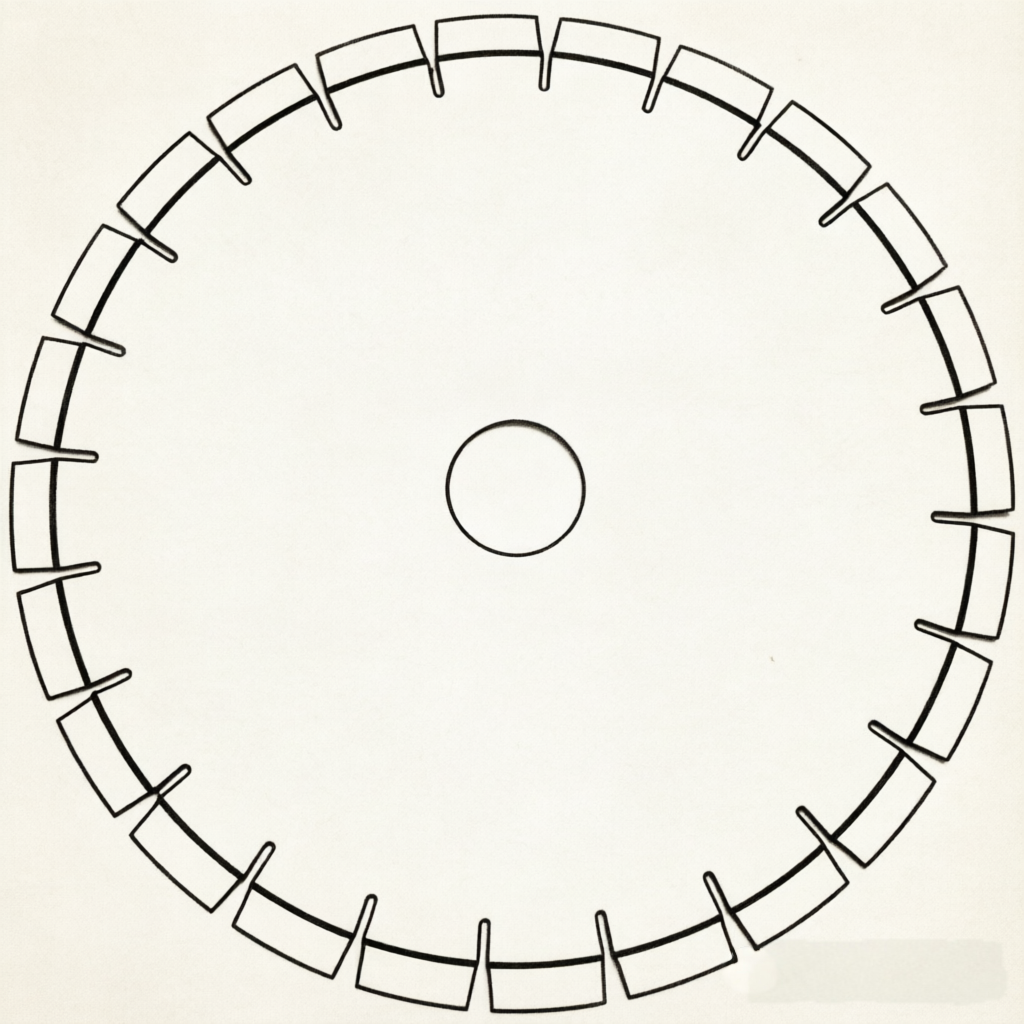
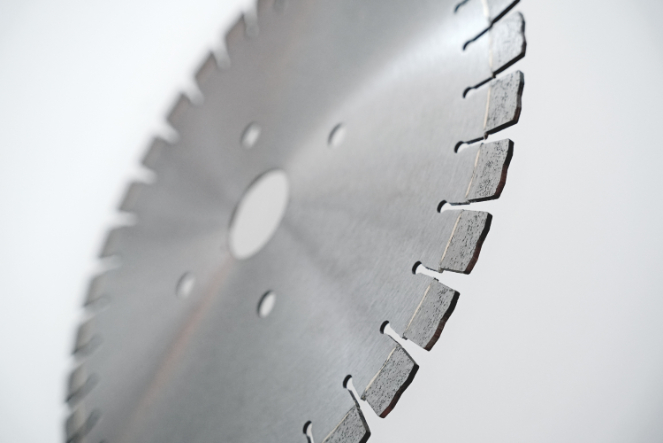
The diamond segment is the main cutting part of the blade, and its design directly affects cutting performance and material utilization.
Important segment parameters include diamond concentration, diamond particle size, segment height, and bonding formula.
A well-designed segment can maintain stable cutting ability and reduce vibration during operation.
Excessive vibration may cause uneven cutting, edge damage, and additional material loss. Therefore, selecting a blade with optimized segment design helps achieve cleaner cuts and better material usage.
Blade Stability Reduces Material Waste
During stone cutting, blade stability plays an important role in maintaining cutting accuracy and avoiding unnecessary waste.
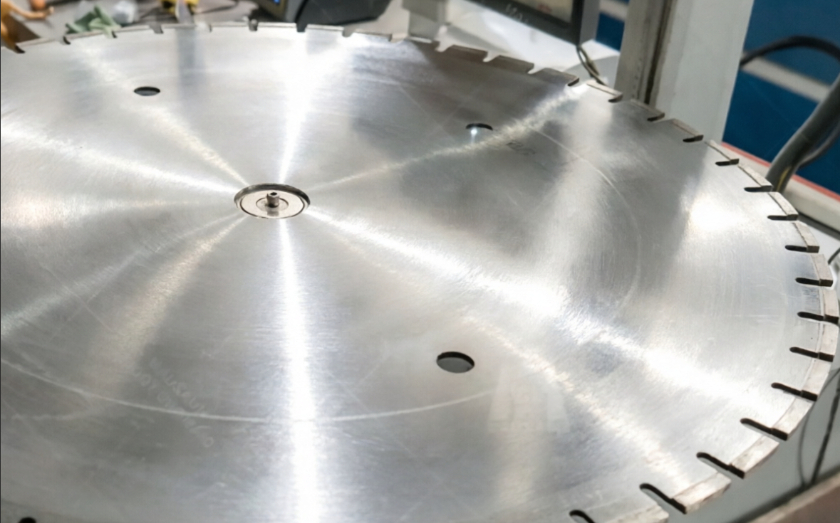
A high-quality Diamond Saw Blade with reliable welding technology can keep the segments firmly connected to the steel core, reducing blade deformation and unstable cutting.
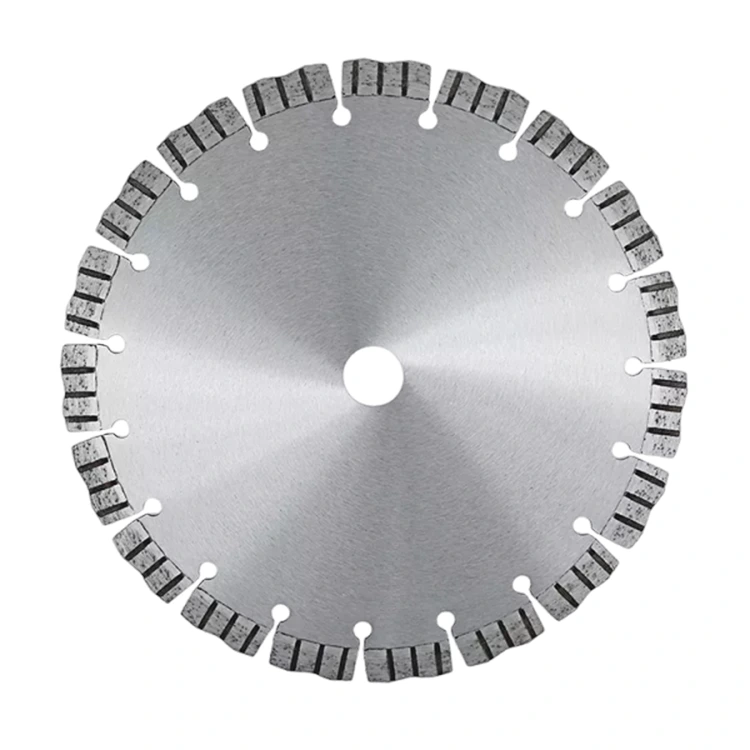
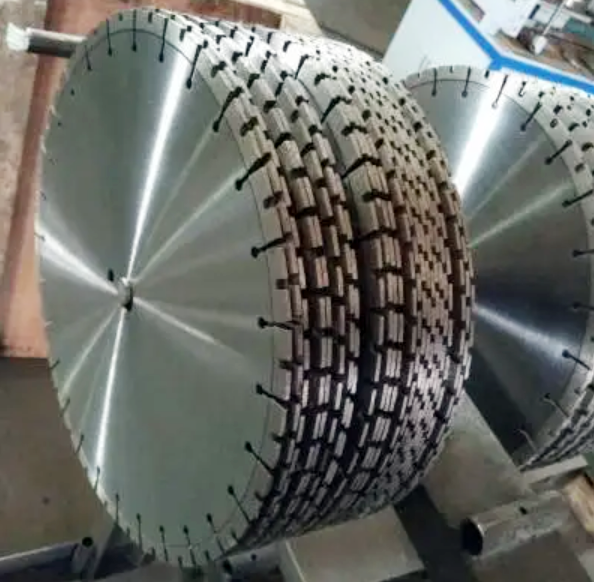
For example, laser welded blades provide strong segment bonding and are suitable for demanding cutting applications where stability and durability are important.
Laser-Welded Concrete/Asphalt Saw Blades
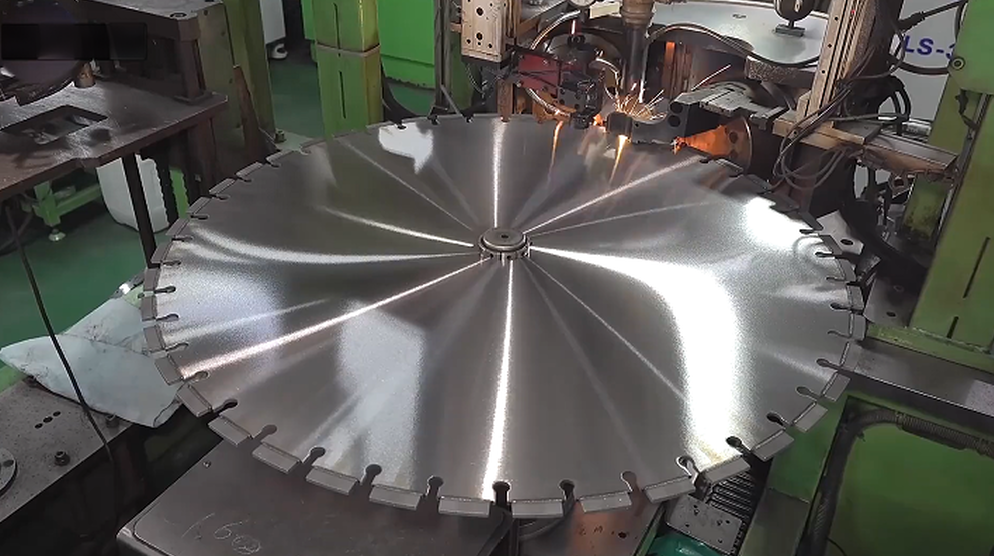
Stable cutting performance helps stone processors reduce rework, improve slab quality, and increase overall production efficiency.
Choosing the Right Blade According to Stone Material
Different stone materials require different cutting solutions to ensure high material utilization.
Granite is hard and abrasive, requiring blades with strong wear resistance. Quartz stone requires stable cutting performance due to its high hardness. Porcelain slabs require precise cutting to reduce chipping and edge damage.
Using an unsuitable blade may increase cutting resistance, reduce efficiency, and create unnecessary material waste.
How the Right Blade Helps Improve Profitability
Improving stone block utilization is not only about saving materials but also about increasing production efficiency and overall profitability.
A suitable Diamond Saw Blade can help achieve smaller cutting loss, cleaner cutting edges, higher slab output and lower processing costs.
For stone manufacturers, choosing the right blade specification is an important investment that affects long-term production results.
Optimize Stone Cutting Performance with OriDawn Tech
Every detail of a blade design can influence cutting results and material utilization.
From blade thickness and segment structure to welding technology and material selection, professional blade solutions help customers maximize stone value and improve production efficiency.
OriDawn Tech provides reliable diamond cutting solutions for granite, quartz, marble, porcelain slabs, and other stone applications.
If you want to reduce cutting waste and improve block utilization, contact OriDawn Tech for professional recommendations.