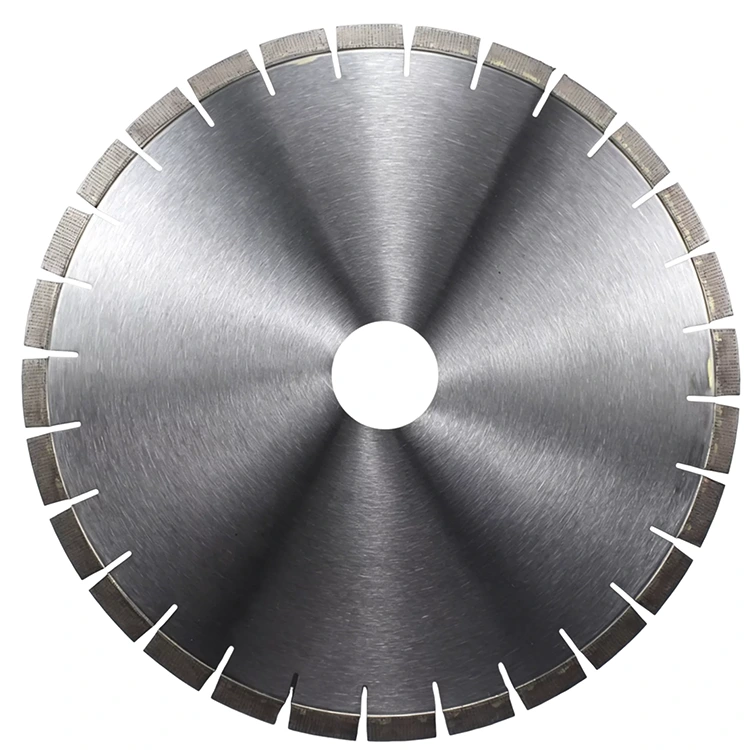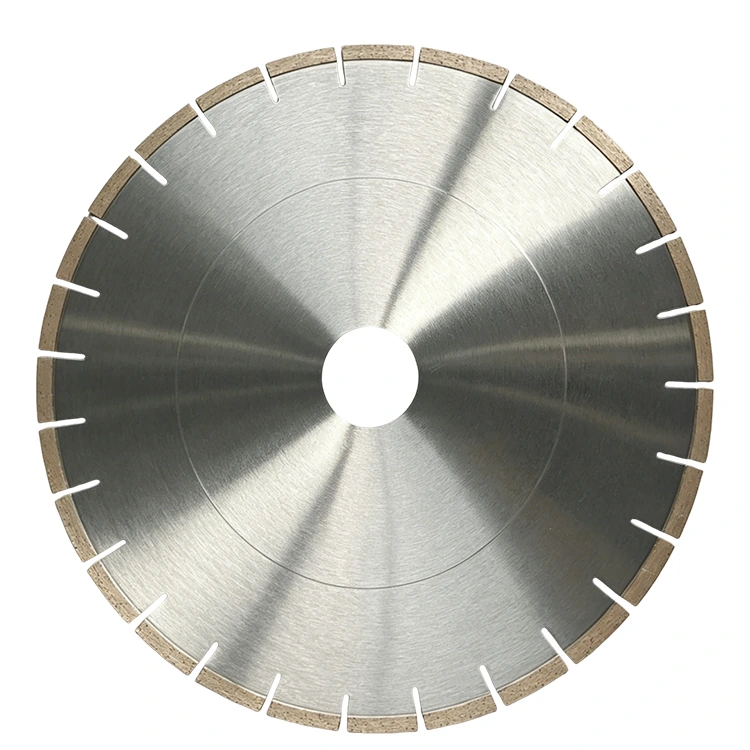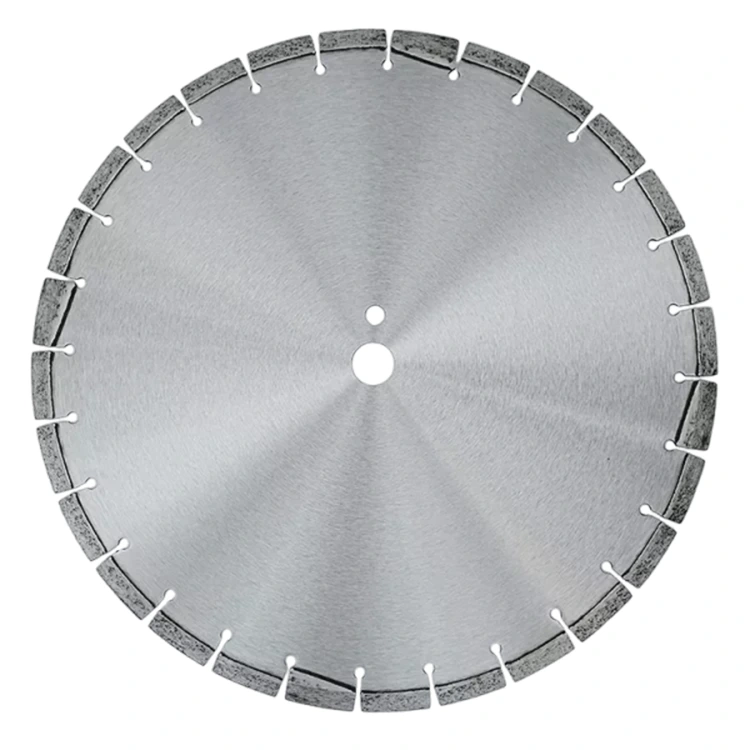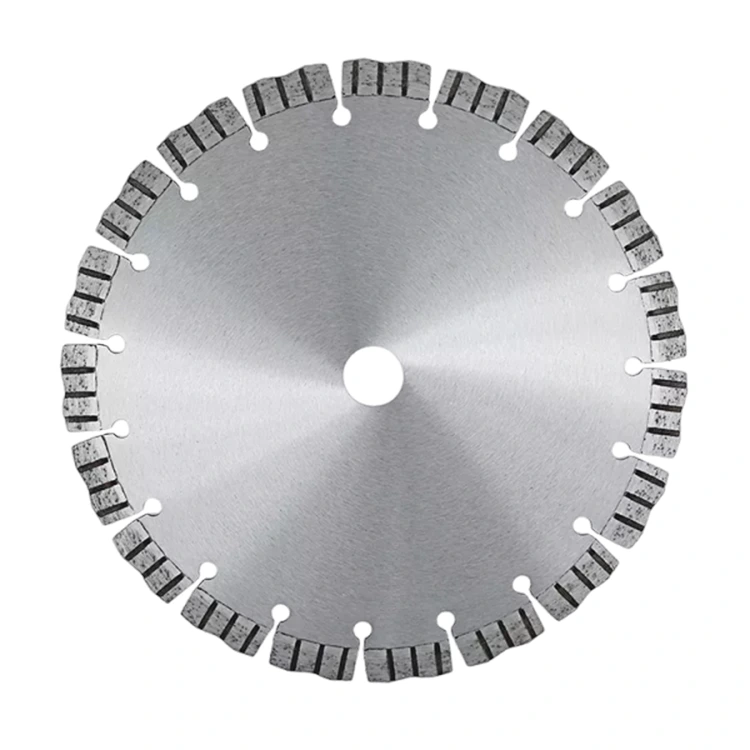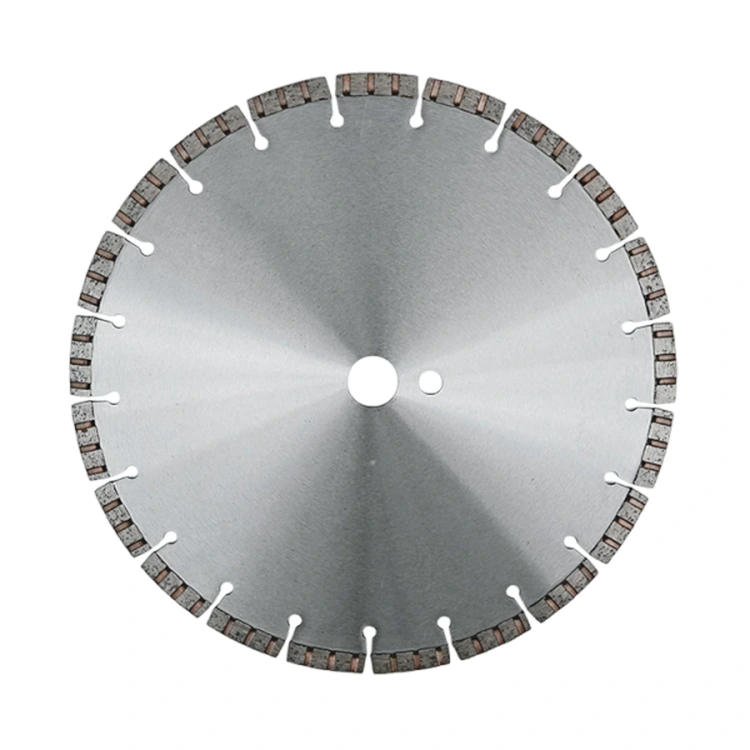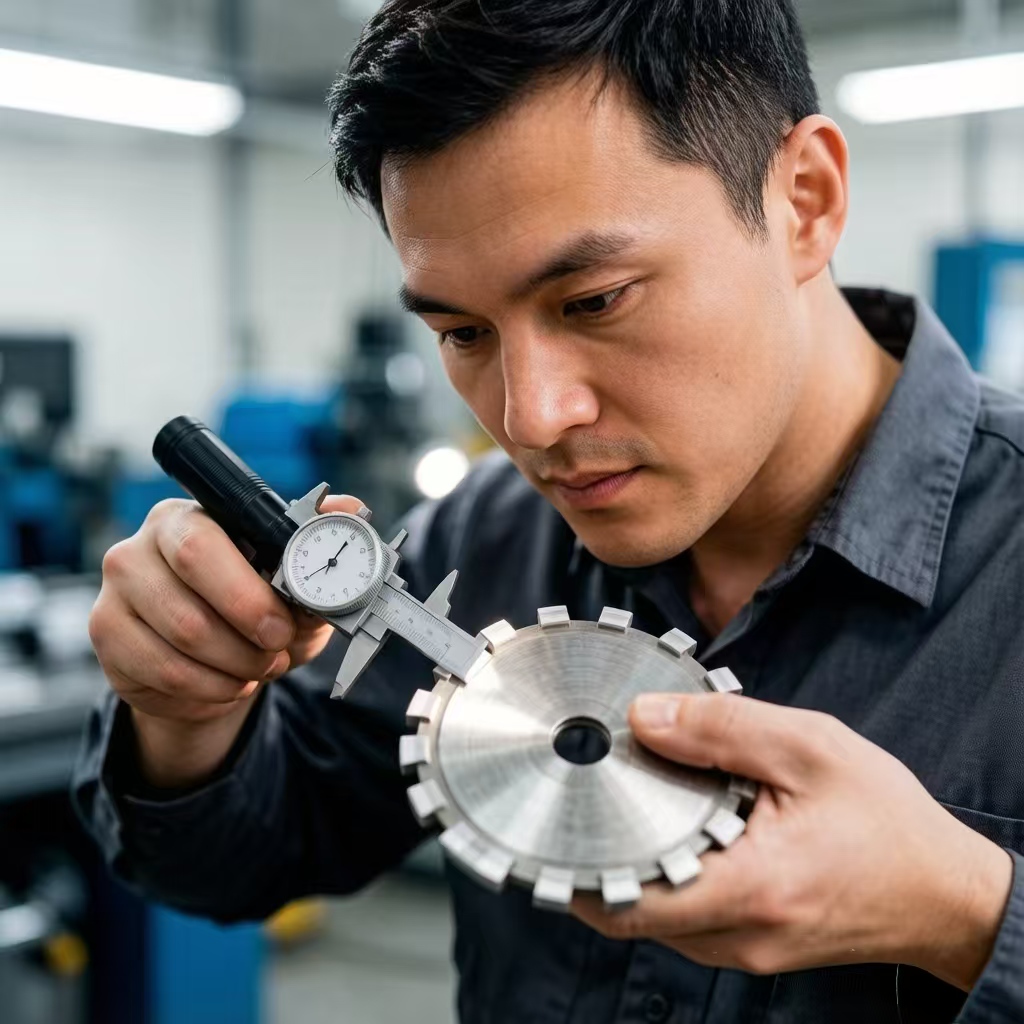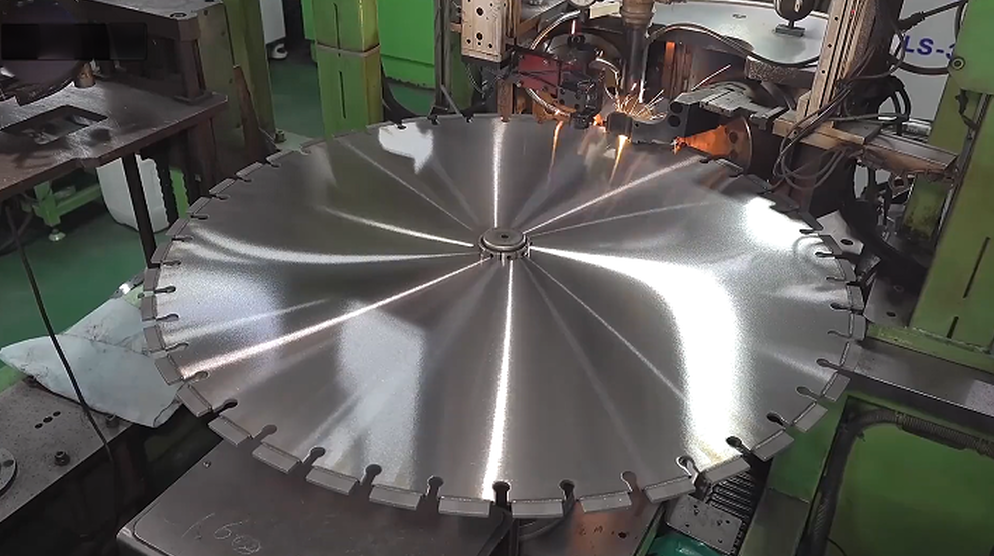

Laser Welding Diamond Saw Blade technology represents the pinnacle of cutting tool engineering, combining diamond’s unparalleled hardness with the precision and durability of laser fusion. Designed for professional stone fabricators, construction crews, and concrete cutting specialists, this blade category delivers fast, clean cuts in granite, engineered stone, marble, reinforced concrete, asphalt, and a range of other abrasive materials. Unlike traditional brazed or sintered blades, the laser-welded segment attachment eliminates segment loss, improves heat dissipation, and dramatically extends service life—even under continuous dry cutting conditions. Our Laser Welding Diamond Saw Blade series includes products such as Laser-Welded Cutting Blade for Marble, Laser-Welded Concrete Saw Blade, and so on.
The core innovation lies in the metallurgical bond created by a high-energy laser beam that fuses the diamond-impregnated segment to a high-tensile steel core. The result is a monolithic cutting edge with no weak points, capable of withstanding lateral stress, high RPMs, and elevated temperatures that would cause delamination in conventional blades. At Oridawn, we push this technology further by engineering each component—from the diamond concentration and metal matrix formulation to the laser welding parameters—according to the specific material being cut. This application-specific approach ensures our customers experience less downtime, lower per-cut costs, and consistent performance across thousands of linear feet.
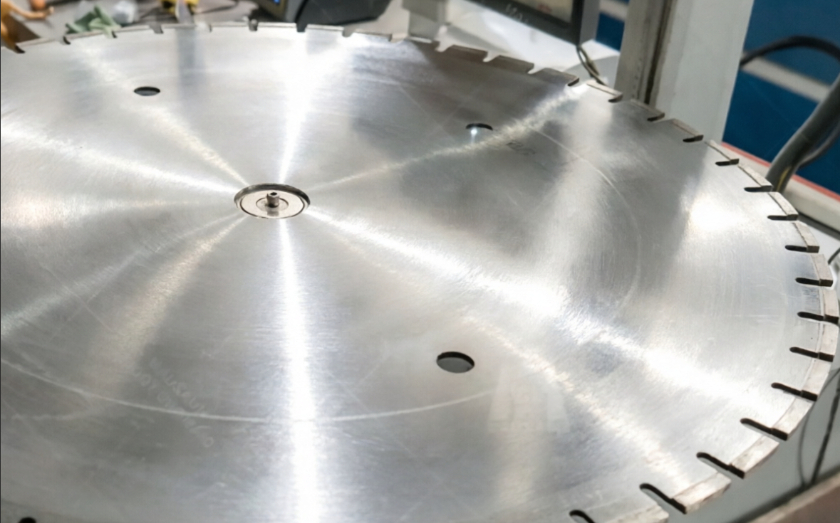
A Laser Welding Diamond Saw Blade is not a simple steel disc with grit attached; it is a balanced system of interdependent elements. The steel core is typically manufactured from 65Mn, 50Mn2V, or other high-tensile alloy steels, heat-treated to achieve a hardness of 38–42 HRC. This provides the ideal combination of flexibility and rigidity to withstand the stresses of high-speed rotation and side loads. The core is precision-ground and tensioned at the factory to ensure true running even at 10,000 surface feet per minute.
The diamond segments are produced through a powder metallurgy process. A carefully controlled blend of industrial-grade synthetic diamonds—selected for crystal morphology, impact strength, and thermal stability—is mixed with a metallic bond matrix comprising cobalt, iron, copper, nickel, tin, and tungsten carbide. The exact ratio determines the segment’s wear rate, cutting speed, and ability to expose fresh diamond particles as the matrix erodes. The segments are cold-pressed and then hot-pressed into near-net shapes, then finished to exact dimensions. The laser welding process follows, where a fiber or CO₂ laser creates a fusion zone between the segment base and the steel core, creating a tensile strength at the joint exceeding 600 MPa. Oridawn employs a patented multi-pass laser technique that preheats, welds, and then post-heat-treats the transition zone to eliminate micro-cracking and ensure a homogeneous crystalline structure.