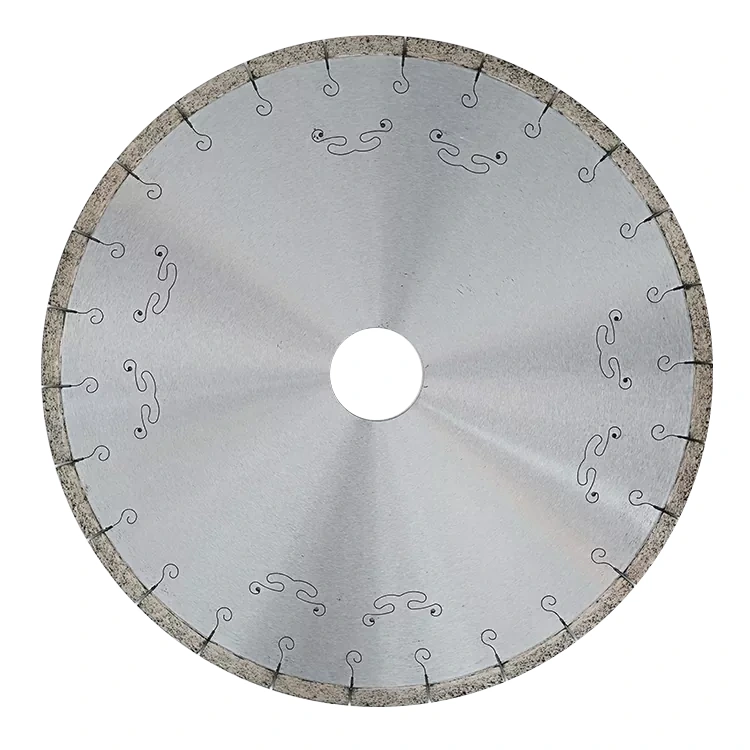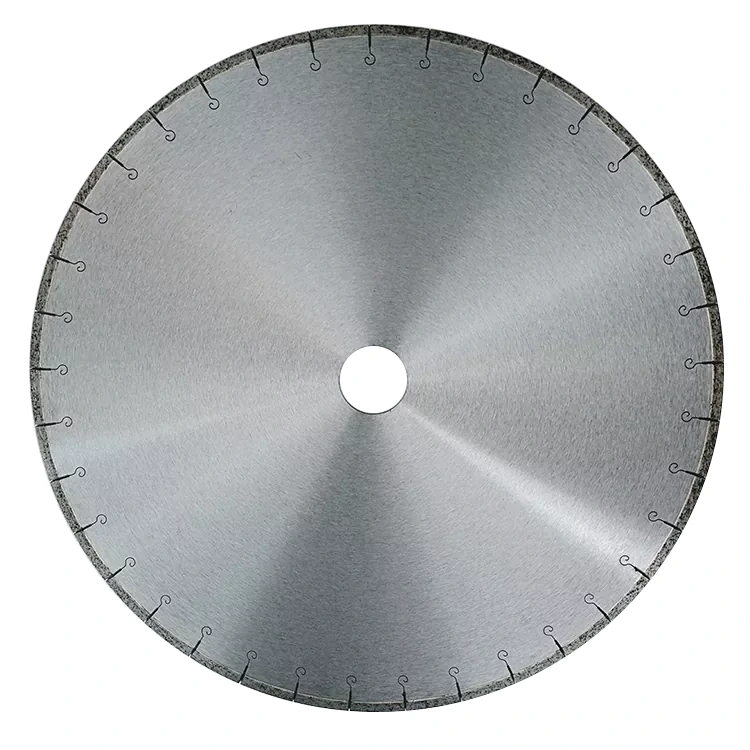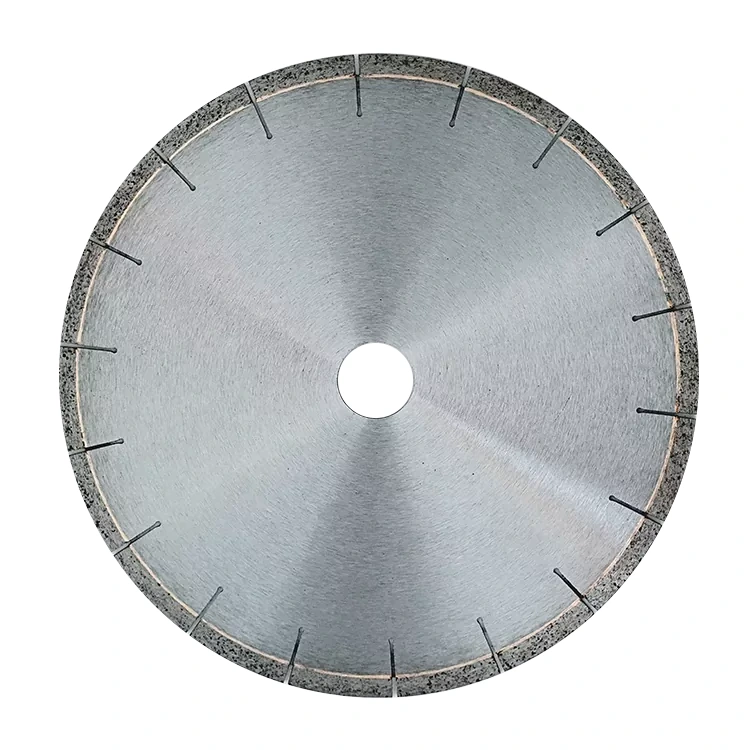

ORIDAWN is a Chinese diamond saw blade manufacturer that also consolidates HSS, cermet-tipped and carbide-tipped circular saw blades from qualified partner mills. One specification, one QC protocol, one document set, one shipment. We make the diamond blades ourselves. We do not pretend to make the others.
Key facts
On this page
One-stop supply is not a product catalogue with more pages. It is a transfer of work: the buyer stops coordinating four suppliers, four inspection standards and four sets of shipping documents, and the consolidator takes responsibility for all of it.
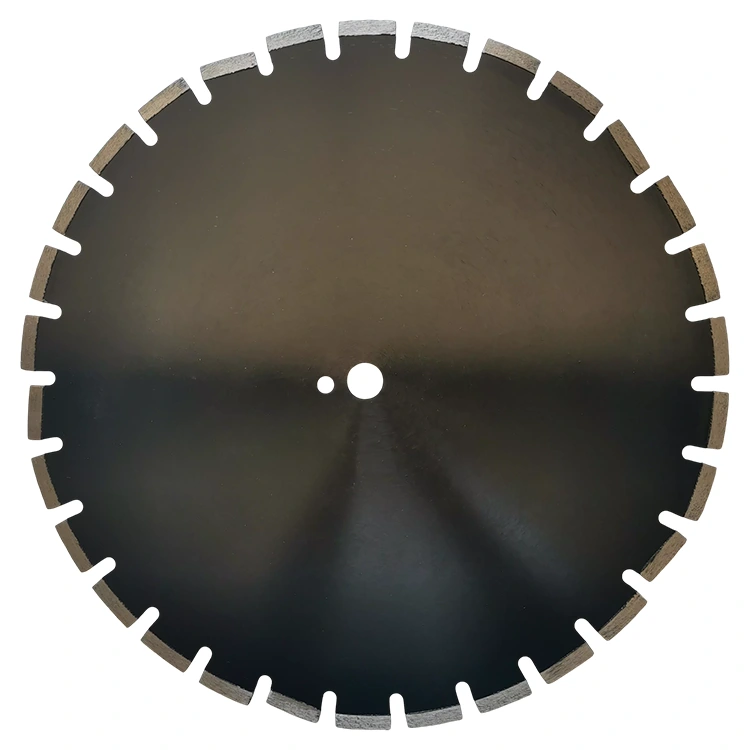
In our case the boundary is explicit. ORIDAWN manufactures diamond saw blades for cutting stone, concrete and asphalt in its own plant. High-speed steel (HSS) circular saw blades, cermet-tipped blades and carbide-tipped (TCT) blades are produced by partner mills that we qualify and audit. We do not claim to manufacture them. A supplier that claims to make every blade family in-house is usually a trading company with a good website — and the buyer finds out when a weld fails and nobody can produce the batch record.
Stone processors do not only cut stone. A fabrication shop cutting granite countertops also cuts stainless steel sink cut-outs, aluminium profiles and the odd steel fixture. A quarry operator maintaining its own equipment cuts steel plate and tube. A distributor serving construction customers is asked for masonry blades in the morning and metal-cutting blades in the afternoon.
Each of those requests lands on a different blade technology with a different steel grade, tooth geometry, coating and standard. Sourcing them separately means four QC conversations, four minimum order quantities and four freight bills. Consolidating them is a procurement decision, not a marketing slogan — which is why the substance of the service sits in the specification sheet and the inspection record, not in the headline.
Definitions first, because these terms get mixed up in quotes:
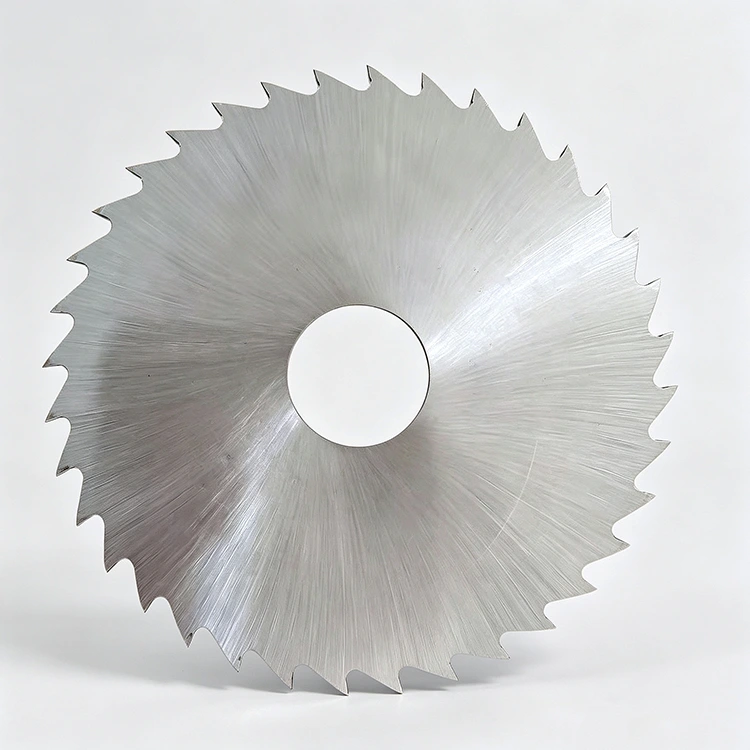
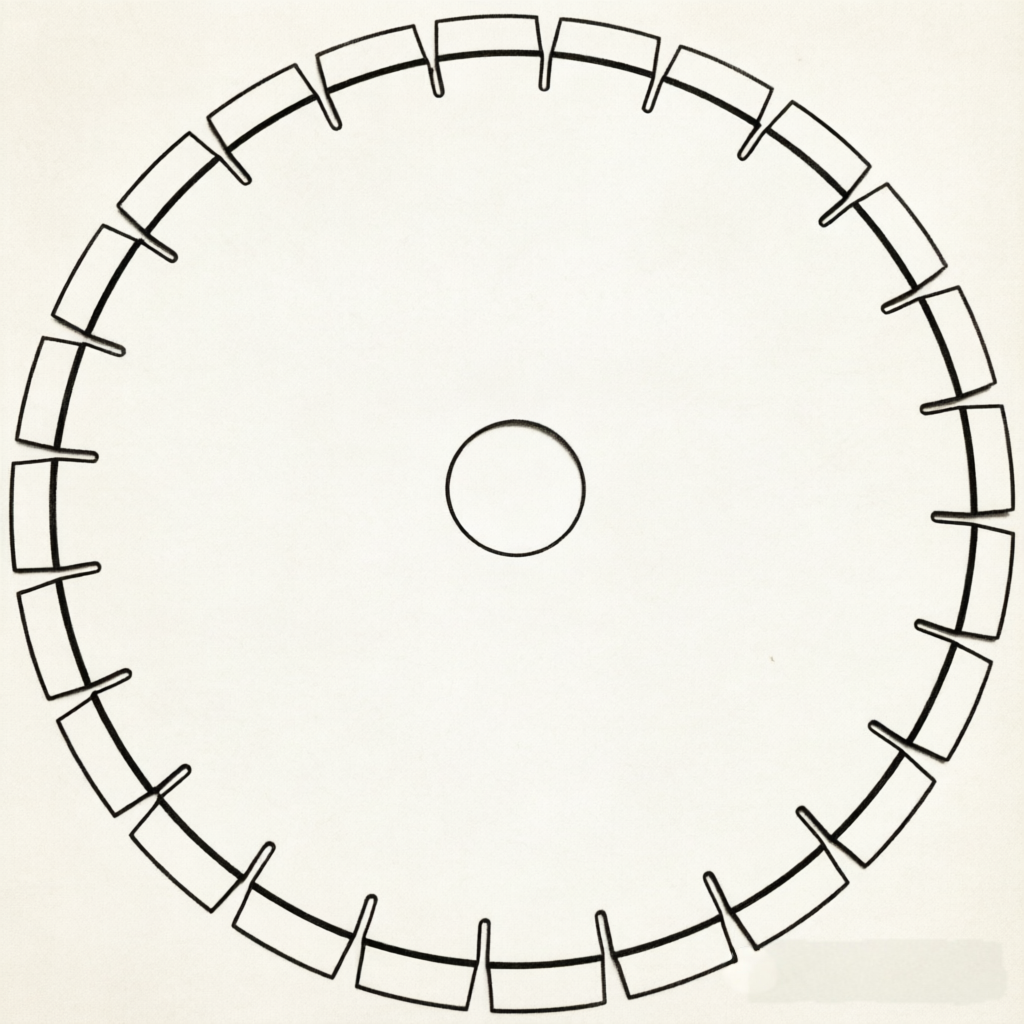
Diamond saw blades carry metal-bond diamond segments welded to a steel core; they grind through stone and concrete. HSS circular saw blades are toothed high-speed steel discs — commonly M2 / DIN 1.3343 — used on cold saws for steel, stainless and tube, often with TiN, TiCN or TiAlN PVD coatings. Carbide-tipped (TCT) blades have tungsten carbide teeth brazed to a steel body. Cermet-tipped blades use a ceramic-metal composite tip: harder at high temperature, cleaner finish, less burr, but more brittle and less forgiving of vibration.
| Workpiece | Blade family | Spec to define | Standard / marking to reference |
|---|---|---|---|
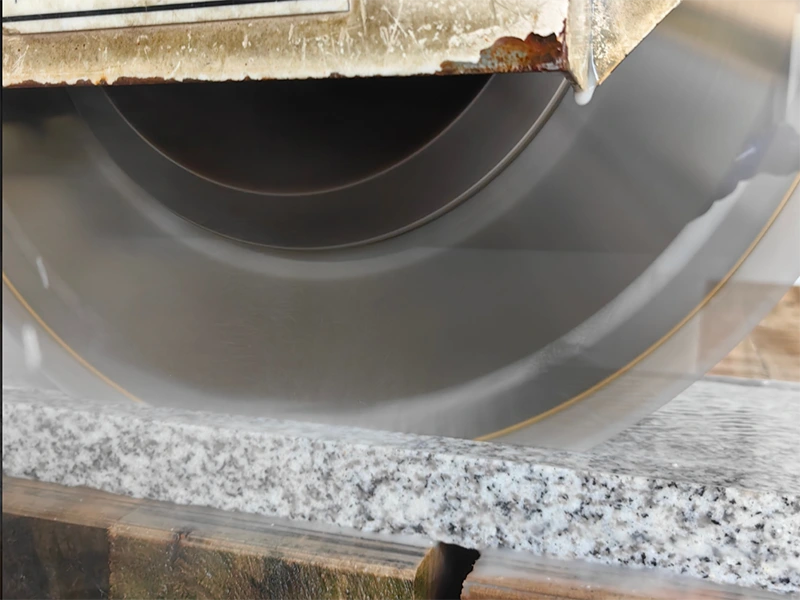
| Granite, marble, concrete, asphalt | Diamond segmented blade | Diameter, core thickness, segment height and bond, slot type, arbor, wet/dry | EN 13236 declaration of conformity, max m/s and rpm, restriction-of-use code, traceability code |
| Steel bar, tube, profiles; thin-walled sections | HSS circular cold saw blade | Diameter × thickness × bore, tooth form, tooth count, steel grade, coating | DIN 1837 (fine pitch), DIN 1838 (coarse pitch), DIN 1840; HSS grade M2 / DIN 1.3343 |
| Carbon and alloy steel, interrupted cuts, variable stock | Carbide-tipped (TCT) blade | Carbide grade, brazing quality, tooth geometry, pitch, coating, resharpening allowance | Supplier grade declaration, hardness and run-out record per batch |
| Stainless steel, high-speed precision cutting, low-burr finish | Cermet-tipped blade | Tip grade, tooth count, machine rigidity, feed stability, coating | Supplier grade declaration, cut-test record on the buyer's material |
Six things genuinely become one:
What does not become one: the manufacturing process, the applicable standard, and the customs classification. Pretending otherwise is how a mixed container gets stopped at the border.
"Meets strict standards" is meaningless until it is written as an audit list. Ours is:
Related reading on what to ask any blade supplier: our notes on dry-cutting blade design and on single versus multi-blade setups in stone block cutting.
Send this once. It replaces four rounds of back-and-forth.
RFQ — CONSOLIDATED SAW BLADE ORDER
01  Application / workpiece: ................................
02  Material grade (stone type, steel grade, alloy): ........
03  Machine: make, model, spindle rpm, arbor, max flange OD ...
04  Blade family: diamond / HSS / cermet / carbide-tipped .....
05  Diameter x thickness x bore (mm) + tolerance: ............
06  Segment spec OR tooth form / tooth count / coating: .......
07  Wet or dry; coolant flow available (l/min): ...............
08  Target: edge quality / cuts per blade / cost per cut: .....
09  Quantity per line + estimated annual volume: ..............
10  Destination country; certificates and marking language: ...
11  HS classification already ruled (if any): .................
12  Consolidation: one shipment or split; Incoterm: ...........
Two traps, both verifiable.
Trap one: trade remedies. The US anti-dumping and countervailing duty orders on diamond sawblades from China (case A-570-900) cover finished circular blades with a diamond segment, diamond sawblade cores and segments. The scope text explicitly excludes circular steel plates whose cutting edge is made of a non-diamond material. So in one consolidated container, the diamond lines and the HSS/TCT lines have different exposure. Split them on the invoice.
Trap two: classification. Under heading 8202, subheading 8202.31 covers circular saw blades with a working part of steel, while 8202.39 covers other blades, including diamond-working parts. Public catalogues and exporter declarations are inconsistent about which side HSS and carbide-tipped blades fall on — some list DIN 1837 HSS blades under 8202.31, others under 8202.39. Classification turns on the working part and the destination's tariff interpretation. Get a binding ruling or a broker's written position before booking. Do not copy a supplier's code into your entry.
Rule of thumb. Consolidate the logistics. Never consolidate the declarations. Superabrasive blades also carry EN 13236 marking obligations — declaration of conformity, maximum operating speed, dimensions, direction of rotation, restrictions of use and a traceability code. A blade without them has no documented conformity, regardless of which factory made it.
No. We manufacture diamond saw blades in our own plant. HSS, cermet-tipped and carbide-tipped blades come from qualified partner mills that we audit and consolidate under one specification, one order and one shipment. That boundary is deliberate: a factory that claims to make everything well usually makes none of it well.
One specification sheet, one purchase order, one QC protocol, one document set and one consolidated shipment across diamond, HSS, cermet and carbide-tipped blades — with the tariff and compliance split handled per line item rather than per supplier.
Yes, but declare them separately. Diamond sawblades and parts from China fall under the US anti-dumping and countervailing duty order A-570-900, while circular blades with a non-diamond cutting edge are explicitly outside its scope. Putting both families on one invoice line is a reliable way to get a shipment held.
There is no single safe answer. Heading 8202.31 covers circular saw blades with a working part of steel; 8202.39 covers other blades, including diamond-working blades. Public catalogues and supplier declarations place HSS and carbide-tipped blades under both headings depending on interpretation. Confirm the binding ruling for your destination market before booking, and never copy a supplier's code into your own entry.
A documented quality management system, material certificates for the steel or carbide grade, hardness and run-out records per batch, tooth geometry and brazing or weld inspection, a sample cut on the buyer's actual material, a batch-level traceability code, and a pre-shipment inspection that we sign off ourselves. A catalogue and a low price are not qualification.
Cermet tips tolerate higher cutting temperatures and give a cleaner edge with less burr on stainless steel and precision cuts, but they are more brittle and need a rigid machine with stable feed. Carbide tips handle interrupted cuts, vibration and variable stock better. If your saw is not rigid, choose carbide.