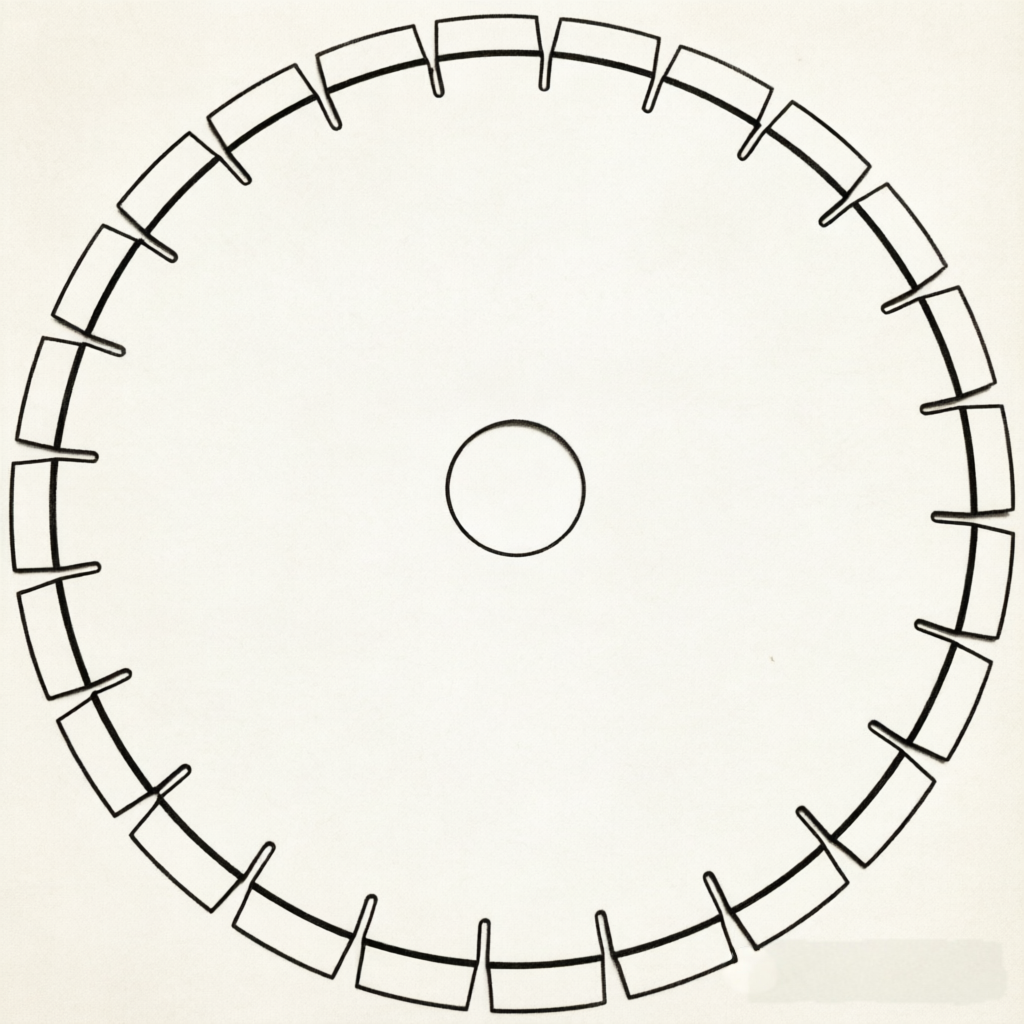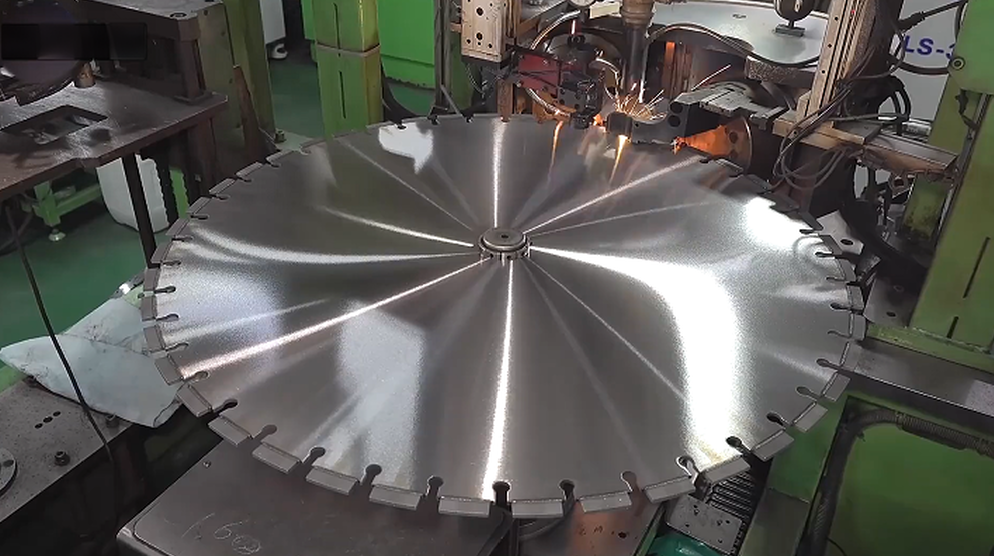

A diamond saw blade is one of the most cost-sensitive consumables on any construction site. Whether you cut concrete, reinforced concrete, asphalt, or natural stone, the difference between a blade that lasts 2,000 meters and one that dies at 900 meters is rarely the blade itself — it is how the blade is used. This guide shares 10 field-proven practices that contractors and distributors can apply immediately to extend diamond blade service life by 30–50%.
Key takeaway: Diamond blades fail from heat, wrong matching, and rough handling — not from a lack of diamonds. Control these three factors and the same blade will cut dramatically longer.
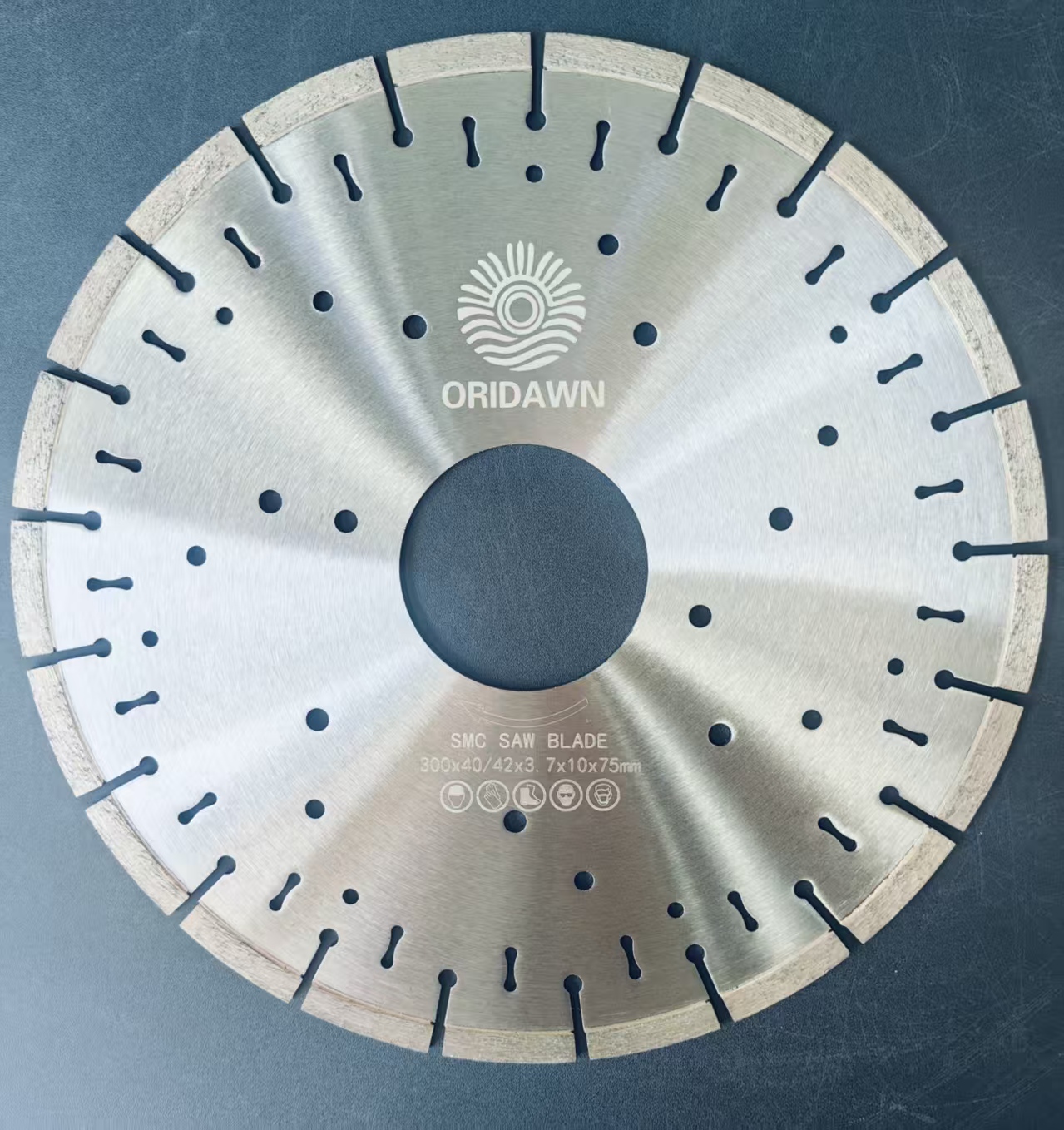
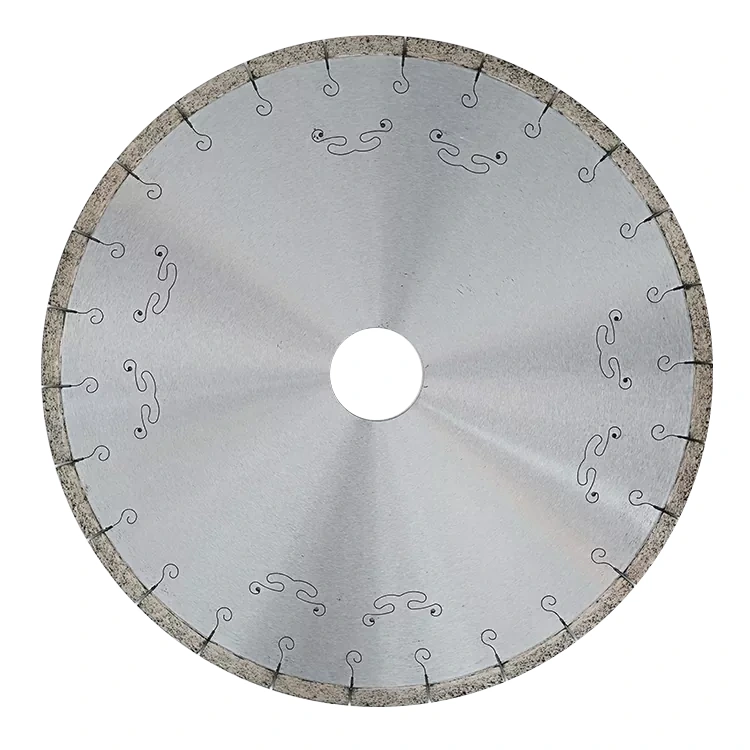
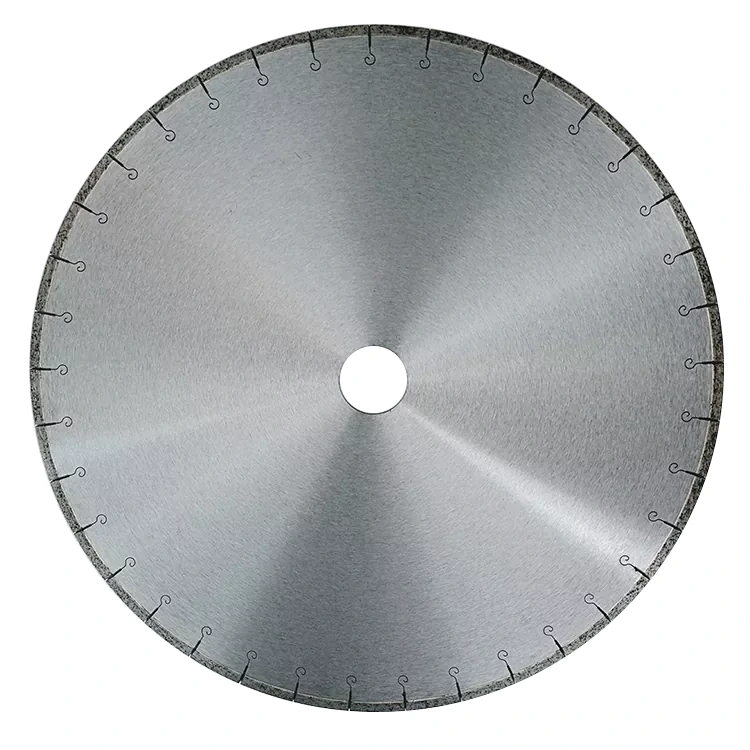
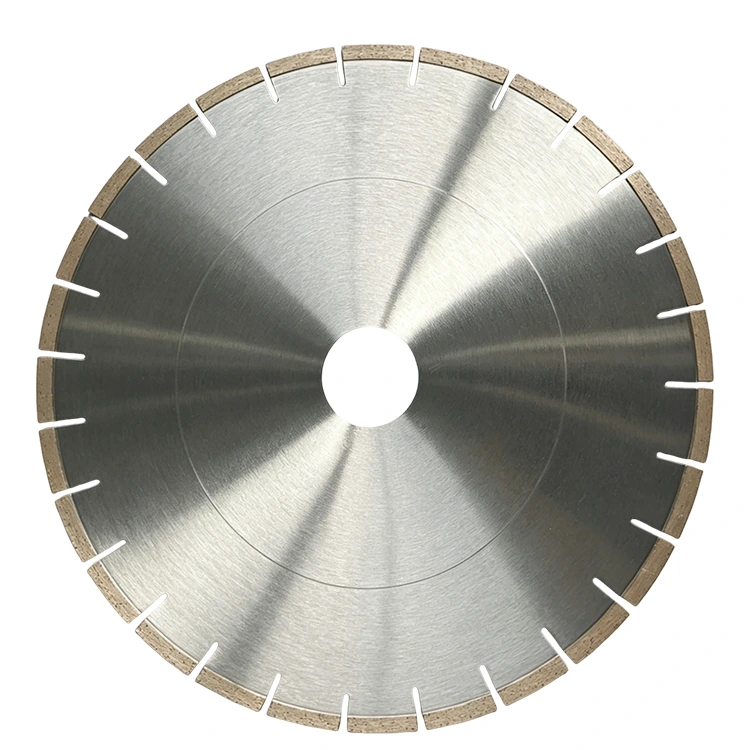
Oridawn 300×40/42×3.7×10×75 mm laser-welded diamond saw blade — the model referenced throughout this guide.
In This Guide
1. Choose the Right Blade for the Material
3. Match RPM to the Blade Diameter
4. Cool the Blade — Wet or Dry, Follow the Rules
5. Let the Blade Do the Cutting
6. Check Mounting, Flanges, and the Spindle
7. Dress a Glazed Blade Instead of Replacing It
8. Plan Your Cuts and Avoid Twisting
9. Store Blades Correctly Between Jobs
10. Inspect Regularly and Retire on Time
11. Frequently Asked Questions
The single biggest cause of premature diamond blade failure is using the wrong bond for the material. Diamond segments work through friction: as the metal bond wears away, fresh diamonds are exposed. The rule is simple but often ignored:
· Hard, dense materials (granite, cured reinforced concrete) → choose a soft bond, so the bond erodes fast enough to keep exposing new diamonds.
· Soft, abrasive materials (asphalt, green concrete, sandstone, block) → choose a hard bond, so the bond resists abrasive erosion and holds diamonds longer.
If the bond is too hard for the material, the blade glazes — diamonds disappear below the bond surface, cutting speed collapses, and friction heat burns the segments. If the bond is too soft, diamonds are ripped out before they are used up, and the blade wears out at 2–3 times the normal rate. Oridawn marks every blade with its intended application; a blade like our 300mm laser-welded model is engineered for cured and reinforced concrete, not for asphalt.
New diamond blades have a polished, slightly glazed segment surface from sintering and finishing. Skipping break-in is one of the most common (and most expensive) mistakes we see. For the first 10–20 cuts on a new blade:
· Use shallow cut depths — roughly 2–3 cm per pass.
· Reduce feed pressure to about half of normal.
· Preferably start on an abrasive material (such as sandstone or lightweight block) to open up the diamonds.
A correct break-in exposes the first layer of diamonds evenly across every segment. A blade that is jammed straight into a deep hard cut on day one often never reaches its rated life.
Every diamond blade has a maximum safe RPM, but more importantly it has an optimal surface speed — typically around 80–110 m/s for concrete blades. Overspeeding overheats segments and cracks the core; running far below the optimal speed forces you to push harder, which rounds off segment corners and accelerates wear.
|
Blade Diameter |
Typical Optimal RPM Range |
Common Match |
|
230–350 mm (9"–14") |
3,600–5,000 RPM |
Hand-held cut-off saws |
|
400–500 mm (16"–20") |
2,600–3,200 RPM |
Small floor saws |
|
600–800 mm (24"–32") |
1,600–2,100 RPM |
Road saws / wall saws |
|
900–1,200 mm (36"–48") |
1,000–1,400 RPM |
Large road saws |
Always check the machine spindle speed against the blade spec plate — like the "300×40/42×3.7×10×75 mm" marking on the Oridawn blade above — before mounting.
Overheating is the number-one killer of diamond segments. Heat cracks diamonds, softens the bond, and warps the steel core. Three rules keep temperatures under control:
· Wet blades must be cut wet. Keep a continuous flow of water on both sides of the blade — for a 300mm blade, at least 2–3 liters per minute aimed at the cutting zone. If the slurry looks dry or you see steam, stop immediately.
· "Dry" blades still need air. Dry-cutting blades are rated for intermittent use: cut for 10–15 seconds, then let the blade spin free in the air for 5–10 seconds to cool. Continuous dry cutting will cook the segments.
· Never quench a hot blade in water. Thermal shock from suddenly cooling an overheated blade can crack the core instantly. Let it slow-cool by spinning.
Diamond blades cut at peak efficiency with light, steady feed pressure. Signs you are pushing too hard:
· The motor slows down noticeably or the belt squeals.
· The cut wanders off the line.
· Sparks appear (steel core contact — extremely damaging).
· Segment corners and edges become visibly rounded within days.
The correct feel: the blade "bites" and pulls itself through the material at consistent speed. If cutting progress stalls, the answer is a sharper blade or a better-matched bond — not more muscle.
A blade that is even slightly off-center will hammer against the material millions of times per hour. This causes core fatigue, hairline cracks, and uneven segment wear. Before every mounting:
· Inspect both flanges — they must be clean, flat, and at least 1/4 of the blade diameter on paper-blade setups.
· Wipe the arbor and the blade center hole; remove concrete slurry buildup.
· Tighten to spec. Overtightening warps the core; undertightening lets the blade slip and scorch the arbor hole.
· Spin the blade free at full speed briefly and watch the rim — any visible wobble means do not cut.
If cutting speed drops but the segments still have height, the blade has probably glazed — the diamonds are embedded below a smoothed bond surface. Don't throw the blade away; dress it:
1. Make 5–10 short cuts (1–2 meters each) into a highly abrasive material: a silica brick, cinder block, or asphalt chunk.
2. Keep feed pressure light and cut depth shallow.
3. Check the segments — you should see fresh diamond grit sparkle on the segment faces.
Dressing takes five minutes and routinely restores 80–100% of cutting performance, which is why professional contractors keep a dressing brick on every truck.
Twisting or wobbling the blade mid-cut is a leading cause of segment loss. Lateral shock loads shear the laser weld or braze holding the segments. To cut safely:
· Mark the full cut line before starting; never freehand-correct mid-cut.
· Keep the saw aligned on a guide rail where possible.
· Back out of the cut the same way you entered — never turn a spinning blade in the slot.
· Use step-cutting for deep cuts: several passes of increasing depth instead of one deep pass.
Blades are precision tools, and cores remember damage. Store diamond blades:
· Hanging vertically on a peg, or lying flat on a padded shelf — never stacked loosely on top of each other.
· In a dry environment. Corrosion on the steel core weakens it and can stain the arbor hole.
· Away from impacts. A dropped blade can develop invisible micro-cracks that later propagate at full RPM.
Finally, know when a blade is finished. A worn-out blade costs more than it earns: slow cutting, more machine wear, more fuel or power per meter, and higher safety risk. Retire a blade when:
· Segment height is worn below roughly 3 mm (about 10–12% of the original).
· The steel core shows cracks, or discoloration from overheating (blue/black marks).
· Dressing no longer restores cutting speed.
· The blade wobbles visibly even after correct re-mounting.
A simple habit — one 30-second rim inspection at the start of each shift — prevents most blade-related accidents and wasted fuel.
How long does a diamond saw blade last?
It depends on material hardness, equipment power, and cutting technique. A 300mm laser-welded diamond blade cutting standard concrete typically delivers 1,200–2,000 linear meters; on abrasive materials like green concrete or sandstone, life can drop below 800 meters. Correct break-in, cooling, and RPM matching can extend service life by 30–50%.
Why is my diamond saw blade wearing out too fast?
The most common causes are: cutting overly abrasive material with a hard-bond blade, running the blade at the wrong RPM, insufficient water supply (wet cutting), twisting or wobbling during cuts, a worn machine spindle or flange, and skipping the break-in procedure on a new blade.
How much water should I use when wet cutting with a diamond blade?
Keep a continuous, generous water flow on both sides of the blade. As a rule of thumb, a 300mm blade needs at least 2–3 liters per minute directed at the cutting zone. If the slurry looks dry or steam appears, stop immediately — overheating is the No.1 killer of diamond segments.
Can I use one diamond blade for all materials?
No. Diamond blades are engineered for specific material–bond combinations. A blade optimized for cured concrete will glaze over on hard granite and wear rapidly on abrasive asphalt. Match the bond hardness to the material: soft bond for hard materials, hard bond for soft abrasive materials.
When should I replace a diamond saw blade?
Replace the blade when: segment height wears below 3mm, the core shows cracks or overheating discoloration (blue/black marks), cutting speed drops significantly and dressing does not restore it, or the blade wobbles visibly at full speed.
Oridawn manufactures laser-welded diamond saw blades for concrete, asphalt, and stone cutting — with bonds engineered per market and application. Contact us for specifications, OEM customization, and distributor pricing
-