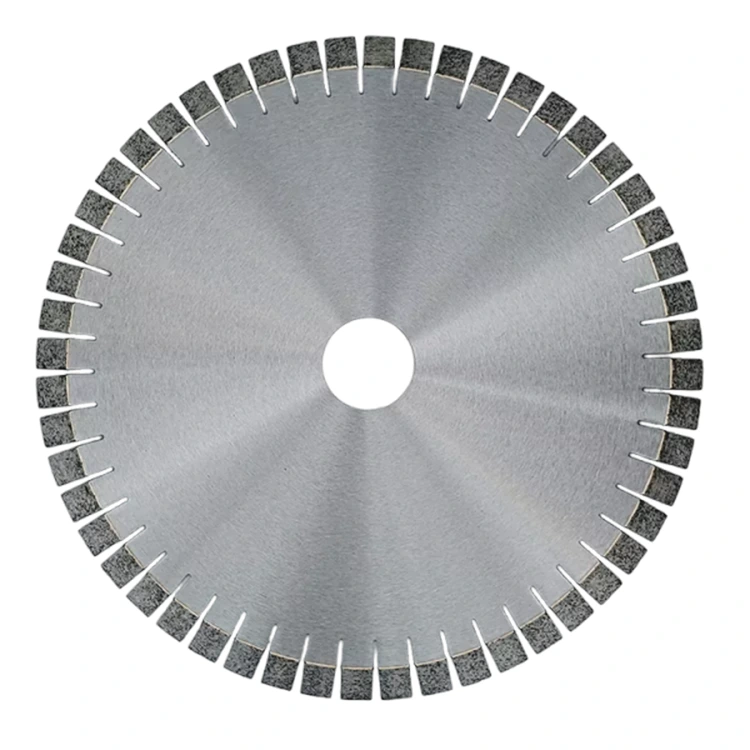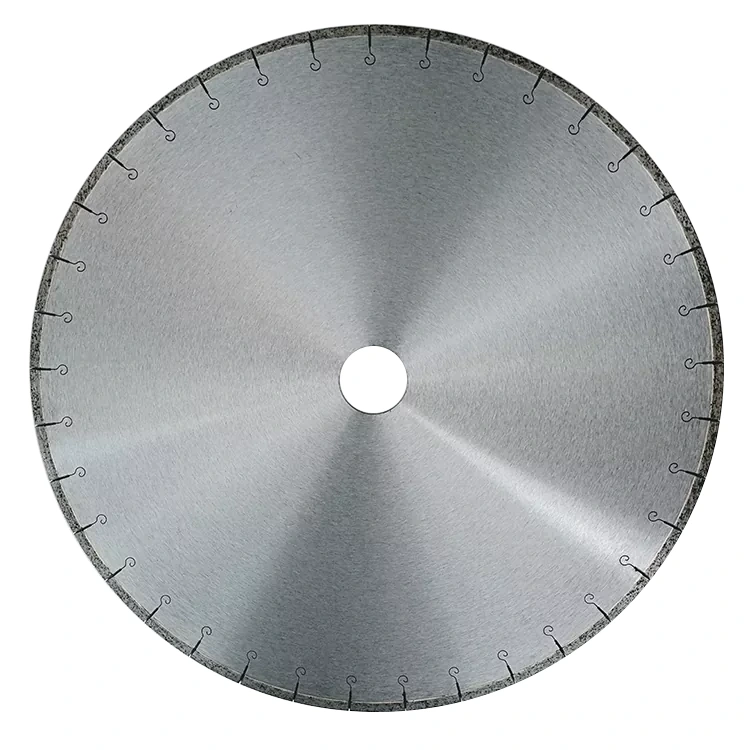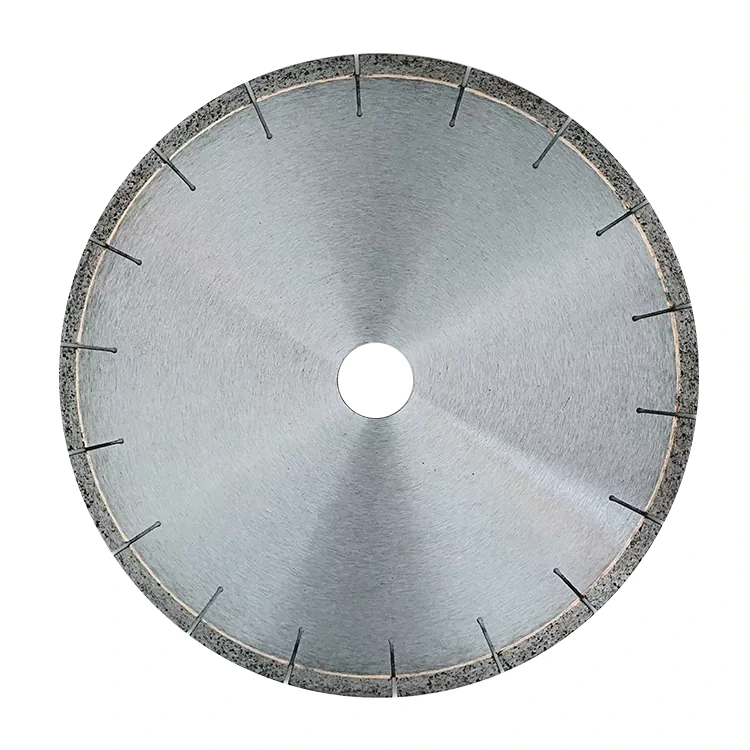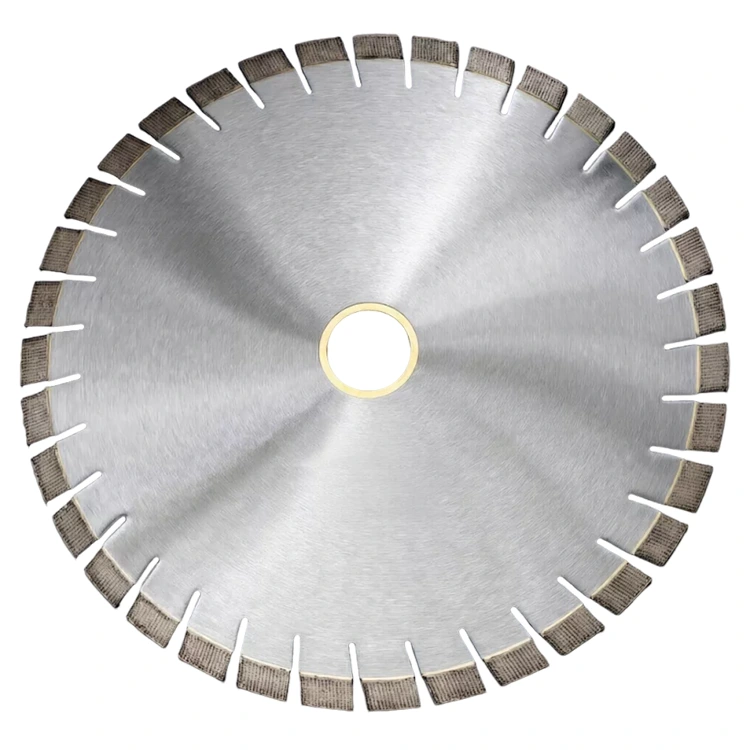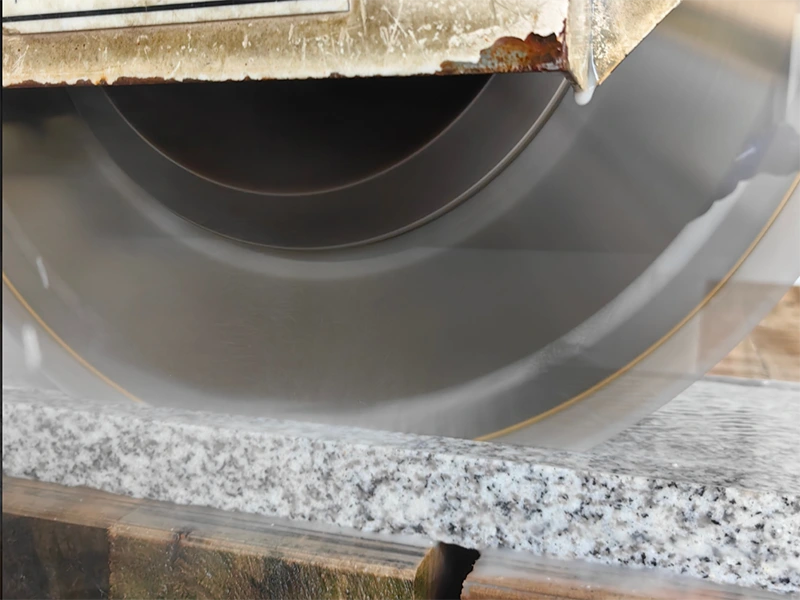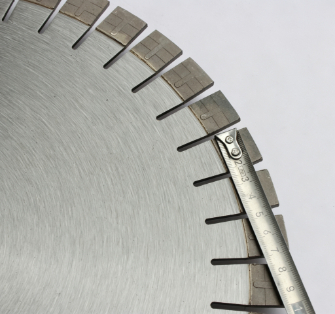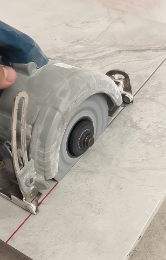

A 350mm blade is the workhorse of mid-sized stone and concrete cutting — but the material underneath decides whether you should reach for a high-frequency (silver-brazed) blade or a laser-welded one. This guide breaks down how crystal stone and precast slab behave under the diamond segment, why the two welding methods matter, and which Oridawn blade fits a φ350 × 50 mm bore × 15 mm segment specification.
Diameter350mm
Arbor / Bore50mm
Segment Height15mm
Fits most walk-behind saws and bridge/table saws with a 50 mm spindle (reducible to 25.4 mm via ring). The 15 mm segment delivers roughly 2× the wear life of a standard 7–8 mm segment under continuous load.
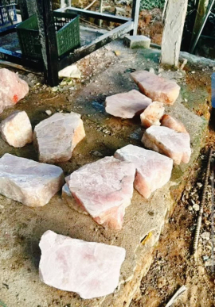
Crystal stone — also sold as artificial quartz stone or crystallized glass stone — is a dense, brittle, silica-rich composite. Its Mohs hardness sits around 6–7, with very low porosity and high compressive strength. Two things define how it cuts:
· Brittleness. The bond between crystals has almost no give. A dull or coarse segment grabs the edge and snaps chips off the cut line — the classic "shattered edge" defect.
· Heat sensitivity. Silica is a poor conductor. Localized heat at the segment face builds up fast and can cause thermal micro-cracking or discoloration along the kerf.
What the blade must do: stay sharp, run cool, and remove a fine, controlled kerf. The segment bond should be on the softer side so new diamonds are exposed quickly; the grit should be fine-to-medium (40/50 US mesh) for a clean edge; and wet cutting is effectively mandatory to carry away heat and dust.
Image suggestion (alt text): "Oridawn 350mm diamond saw blade cutting crystal stone slab with water cooling, clean chip-free edge"
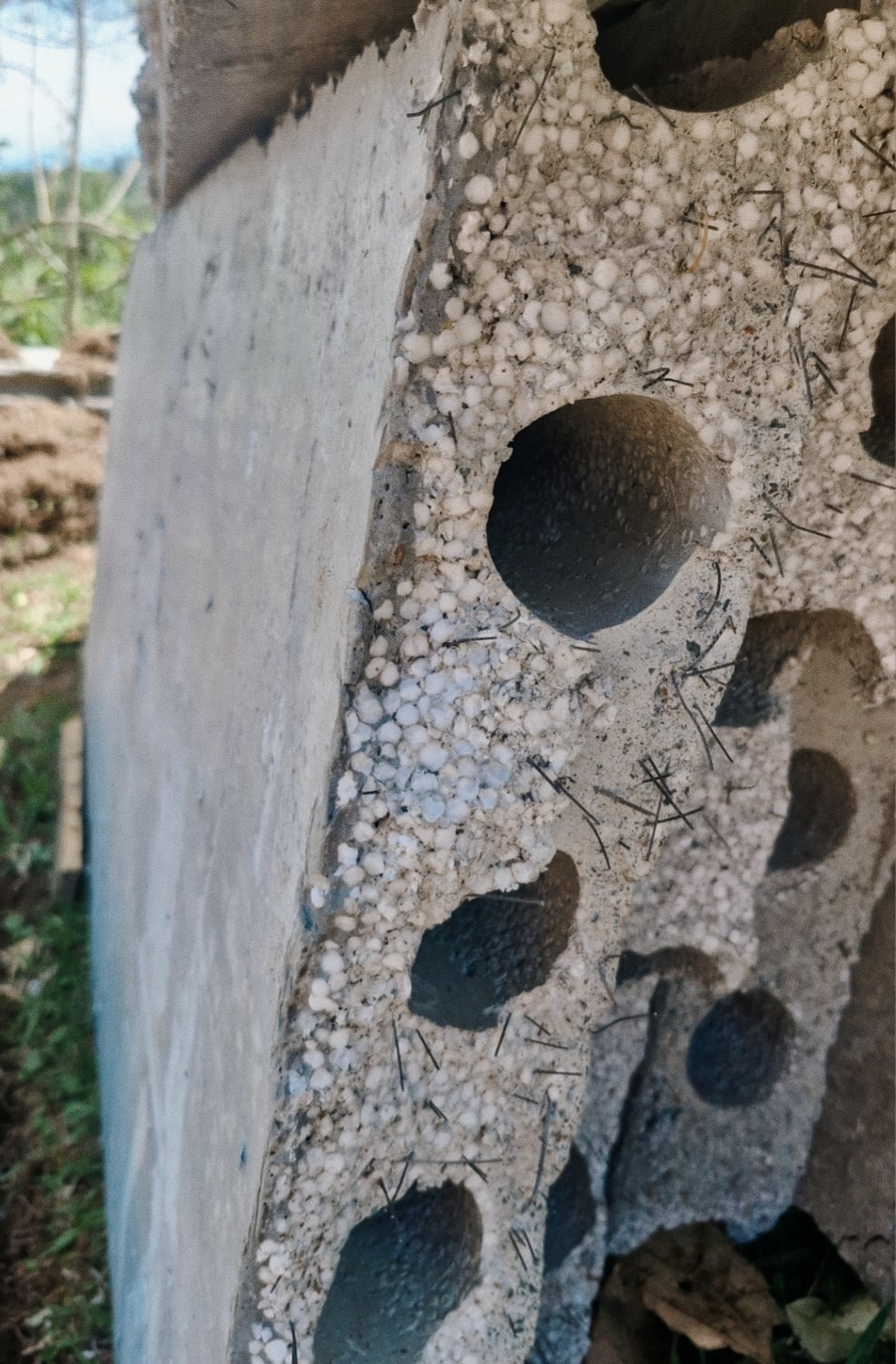
Precast slab is engineered concrete — cement, sand, aggregate, and very often steel reinforcement mesh. Its hardness is moderate (compressive 30–60 MPa), but its abrasiveness is brutal. The silica sand and hard aggregate grind the diamond segment continuously, and if rebar is present, the segment also sees momentary steel contact.
· High abrasion. The segment wears down fast; a soft bond that is ideal for crystal stone would be consumed in hours on precast.
· Steel risk. Even "unreinforced" precast can contain wire or fibers. Hitting steel spikes segment temperature and can throw a weakly-bonded segment entirely.
· Cutting depth. 350 mm blades are typically run at deeper passes on precast than on decorative stone, which puts more lateral stress on the segment-core joint.
What the blade must do: hold segments firmly under heat and shock, run a tough metal bond (often Co-based), and tolerate both wet and dry cutting cycles. Grit is typically coarser (20/30 mesh) for stock removal.
The welding method decides how strongly the diamond segment is held to the steel core — and that single factor dictates which materials the blade can survive. Here is the engineering-level comparison for the 350 × 50 × 15 mm format.
|
Property |
High-Frequency Welded (Silver Brazed) |
Laser Welded |
|
Bond type |
Silver-solder film between segment and core (mechanical + slight metallurgical) |
True metallurgical fusion; segment and core become one piece at the joint |
|
Welding temperature |
~600–750 °C (silver solder melting range) |
Localized melting above 1500 °C in a narrow zone |
|
Joint shear strength |
Good, but degrades if the joint exceeds ~700 °C in service |
Very high; unaffected by normal cutting temperatures |
|
Heat tolerance in use |
Risk of solder softening → segment detachment under heavy dry cutting |
Withstands dry cutting and steel contact without segment loss |
|
Typical segment height |
Usually 8–12 mm (limited by solder layer stress) |
Up to 15–20 mm — taller segments are weldable |
|
Best material fit |
Soft to medium stone, tile, ceramics, crystal stone (wet) |
Concrete, precast, reinforced concrete, hard stone, asphalt |
|
Cost |
Lower — simpler batch process |
Higher — laser equipment and precision tooling required |
|
Speed / feed |
Moderate; conservative feed to protect the solder joint |
Aggressive feed rates possible; segments hold under load |
Key takeawayThe 15 mm segment height on this blade is itself a signal: it is far more common on laser-welded construction blades than on HF-welded stone blades. A 15 mm segment on an HF joint is feasible but leaves a larger lever arm on the solder layer — fine for gentle wet stone cutting, risky for deep concrete passes.
Crystal stone rewards a sharp, self-renewing segment over a strong joint. Because the material is cut wet and at moderate feed, the segment-core joint never reaches the temperature that would threaten a silver solder bond. An HF-welded 350 mm blade with a softer bronze-tin bond and fine grit will produce the cleanest edge at the lowest cost-per-cut.
A laser-welded blade is also fully usable on crystal stone and will last longer, but you pay for a joint strength you do not strictly need — and a harder bond tuned for concrete may polish (glaze) on silica instead of cutting cleanly.
Precast is the case laser welding was invented for. The combination of high abrasion + possible steel contact + deep passes generates exactly the heat and shock that peel silver-soldered segments off the core. A laser-welded 350 × 50 × 15 mm blade with a tough cobalt bond and coarse grit is the correct tool: the joint survives dry cutting, the tall 15 mm segment gives long wear life against abrasive aggregate, and the metallurgical bond absorbs the lateral load of deep passes.
Using an HF-welded blade on precast is a known failure mode: segments detach mid-cut, sometimes with core damage. It is not a question of skill — it is the wrong tool for the physics of the material.
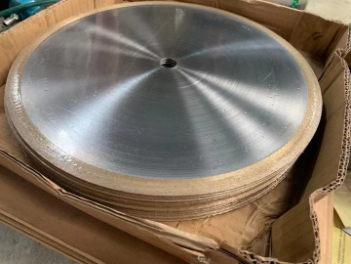
Option A · For Crystal Stone
· Soft bronze-tin bond, 40/50 mesh diamond — clean, chip-free edge on silica-rich stone
· Wet-cut only; 15 mm segment gives extended life for repetitive slab trimming
· Lower cost-per-blade; ideal for fabricators cutting decorative crystal stone daily
Option B · For Precast Slab
· Tough Co-based bond, 20/30 mesh — resists abrasive aggregate and tolerates steel contact
· Metallurgical segment-core joint; rated for dry and wet cutting, deep passes
· 15 mm segment maximizes tool life on long precast runs; 50 mm bore fits standard saws
Option C · One-Blade Solution
If the job site cuts both materials with a single blade, choose the laser-welded universal with a medium bond (30/40 mesh). It will outlast an HF blade on precast and still cut crystal stone acceptably — at the cost of a slightly less polished edge. Never go the other direction: an HF-welded blade on precast is the failure case.
Technically possible, but not recommended. Crystal stone is brittle and needs a sharp, fine-grit segment; precast is abrasive and often contains steel, which demands a tougher, laser-welded segment. One blade for both means either shorter life or chipped edges.
Laser welding forms a true metallurgical bond that tolerates temperatures above 700 °C without segment loss. Precast cutting produces high friction heat and abrasion, which can soften the silver solder on HF-welded blades and cause segments to detach mid-cut.
The 350 mm diameter fits most medium walk-behind and table saws; the 50 mm bore is a standard arbor (reducible to 25.4 mm with a ring); and the 15 mm segment delivers roughly twice the wear life of a standard 7–8 mm segment under continuous load.
Wet cutting is strongly recommended. Water suppresses dust, cools the segment, and — most importantly — prevents the thermal shock that causes crystal stone to chip or crack along the cut line.
Look for stamped markings on the slab edge, scan with a rebar detector before cutting, or ask the precast supplier for the reinforcement schedule. If steel is present, a laser-welded blade is not optional — it is mandatory.
About Oridawn. Oridawn (Wuhan Oridawn Technology Co., Ltd.) has specialized in diamond saw blades for over a decade and operates a 33,333-square-meter production facility in Ezhou, Hubei Province, China. The company is ISO 9001 certified, and its laser-welded and high-frequency-welded diamond tools are sold in more than 50 countries and regions. The company’s core products include laser-welded concrete saw blades, high-frequency welded concrete saw blades, and marble saw blades. Additionally, to meet the diverse needs of international customers and provide more efficient service, the company collaborates closely with domestic manufacturers of alloy saw blades, high-speed steel saw blades, and abrasives that meet strict industry standards, offering one-stop solutions to international customers.
Need a specification matched to your material? Contact Oridawn at steven@oridawntech.com or visit www.oridawntech.com. Our engineers will confirm bond, grit, and welding method against your actual slab sample before shipment.