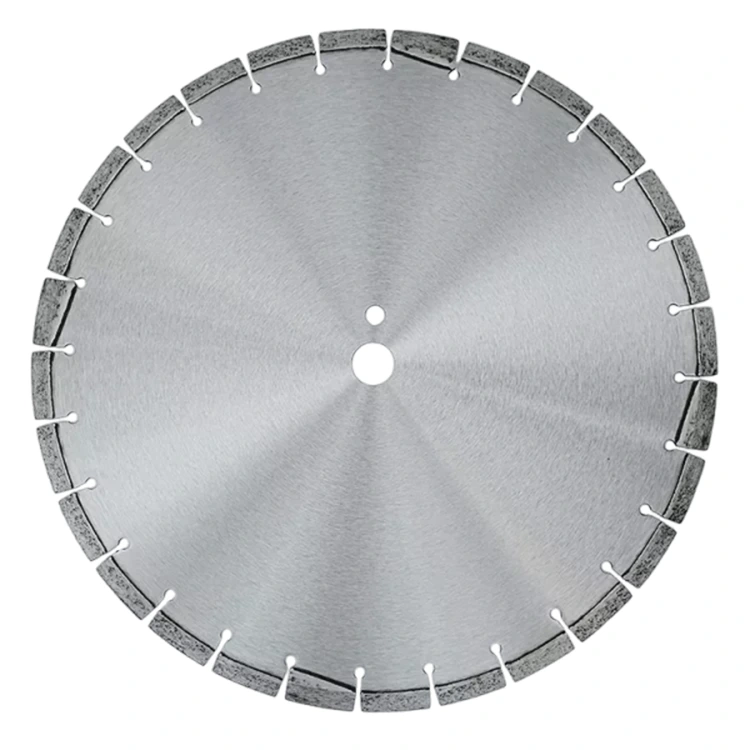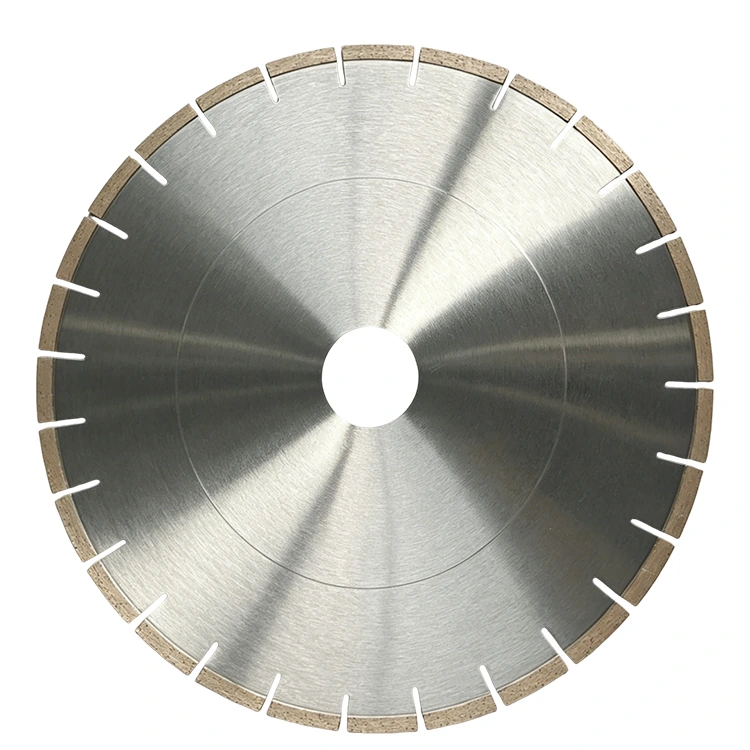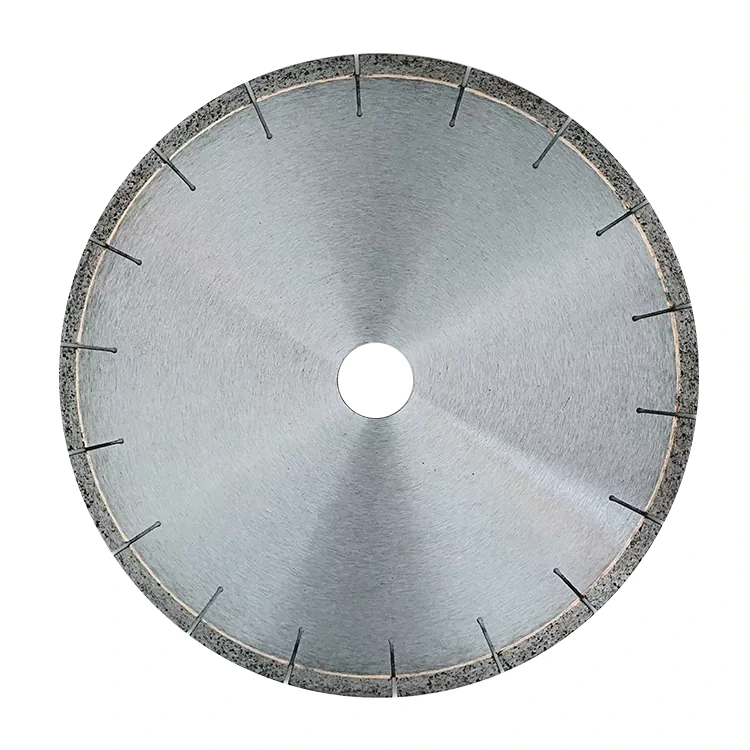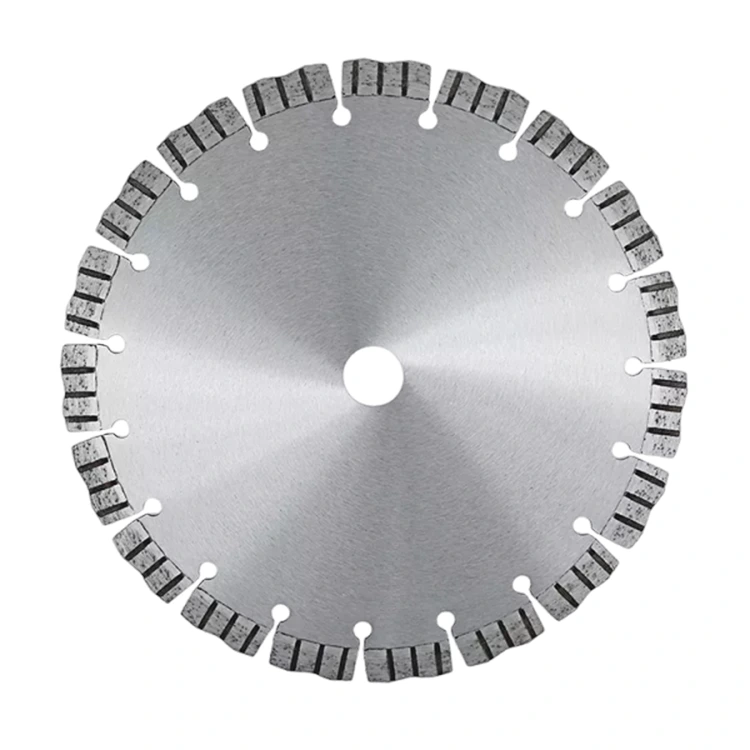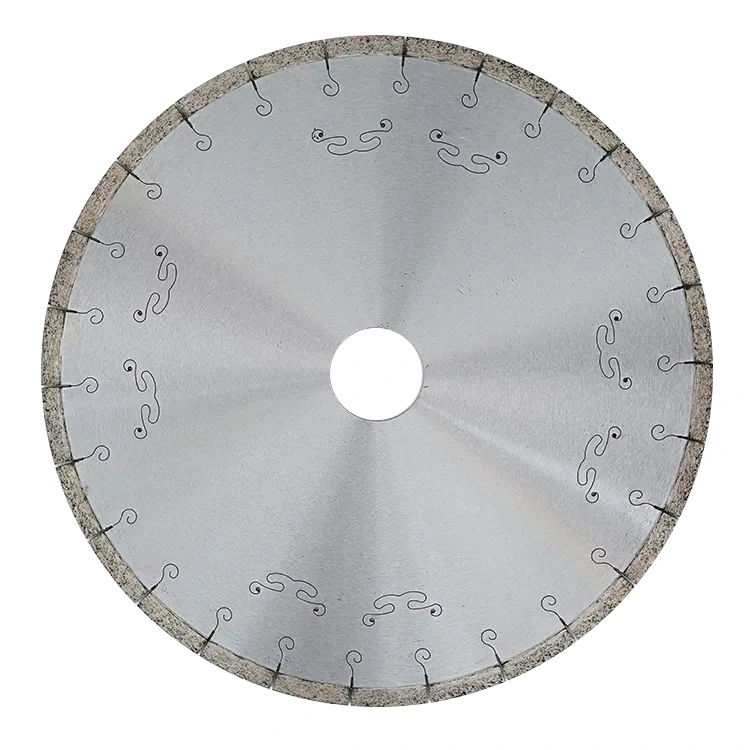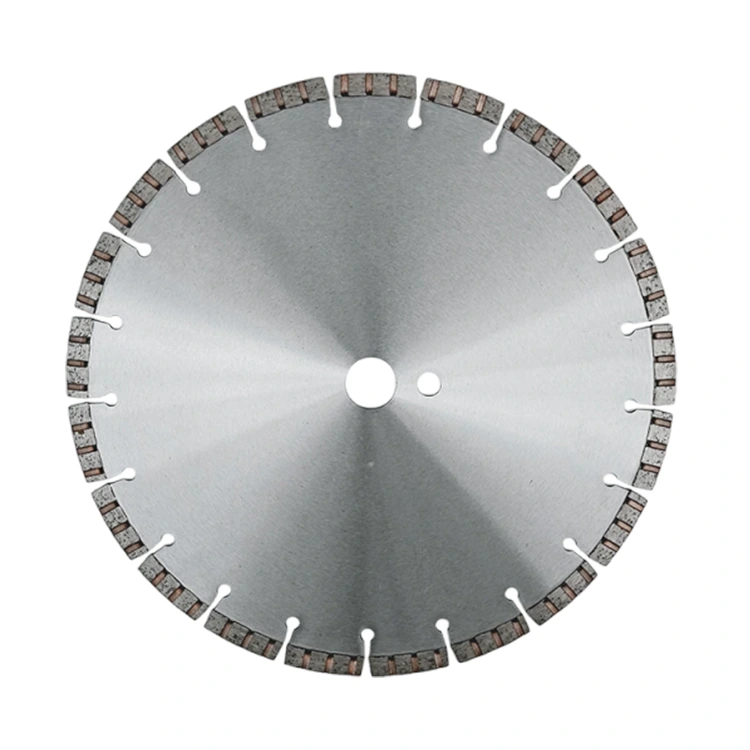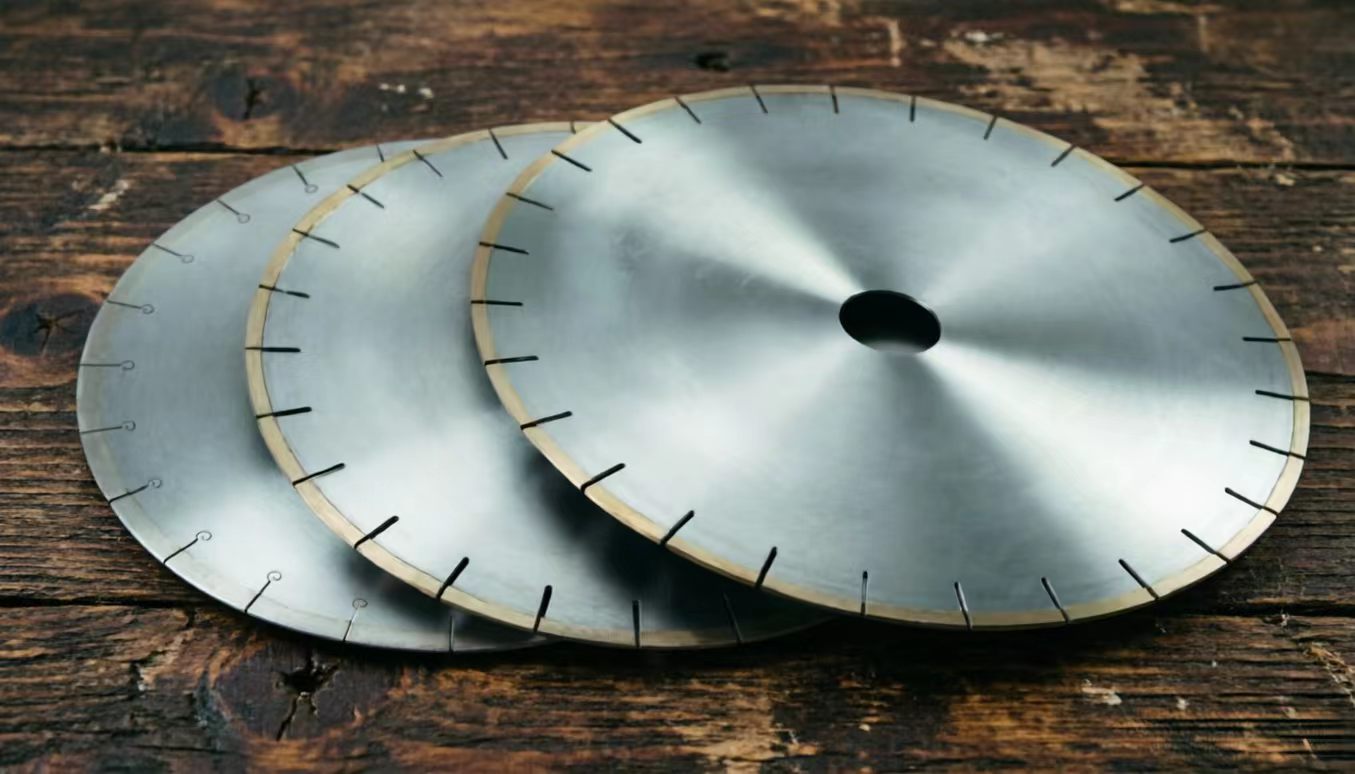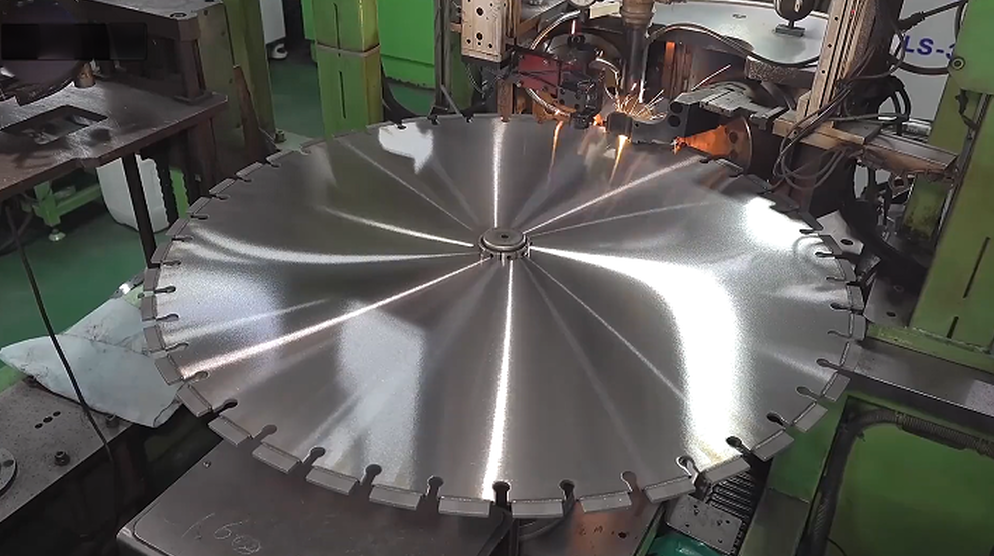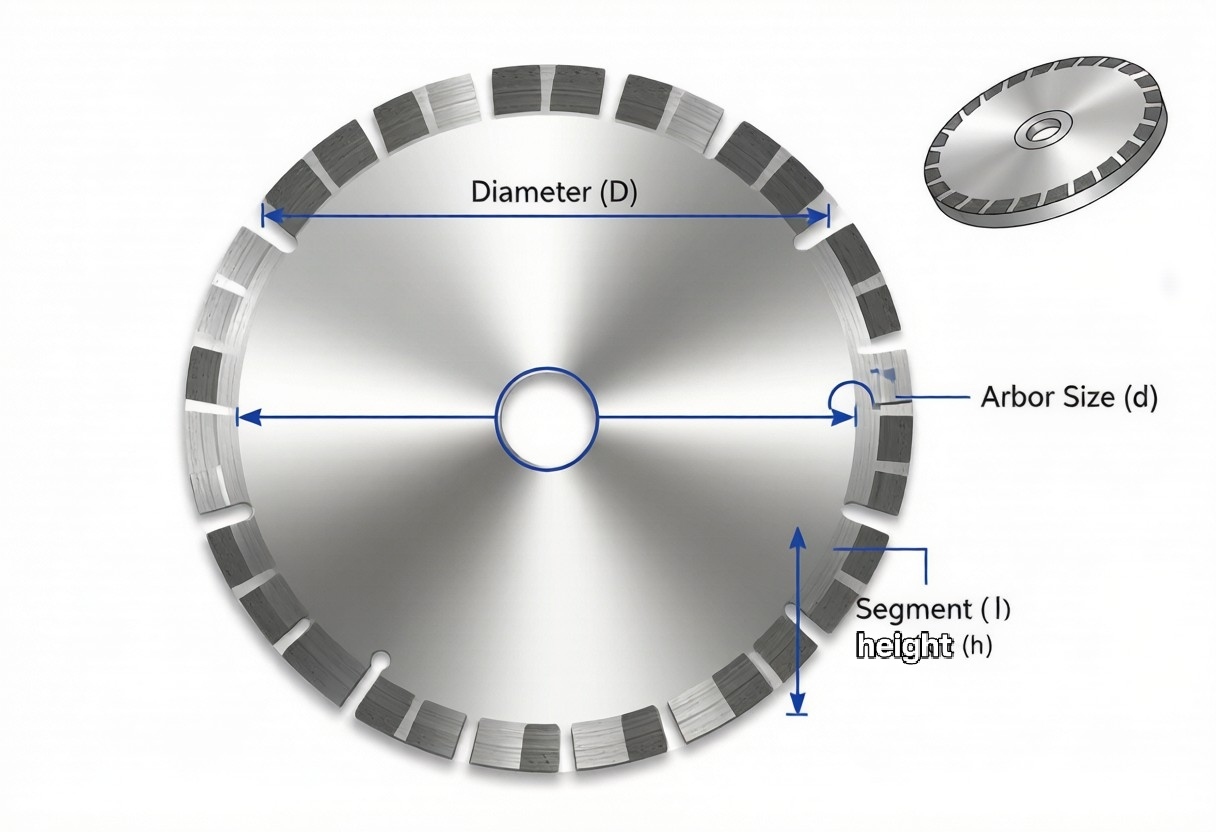

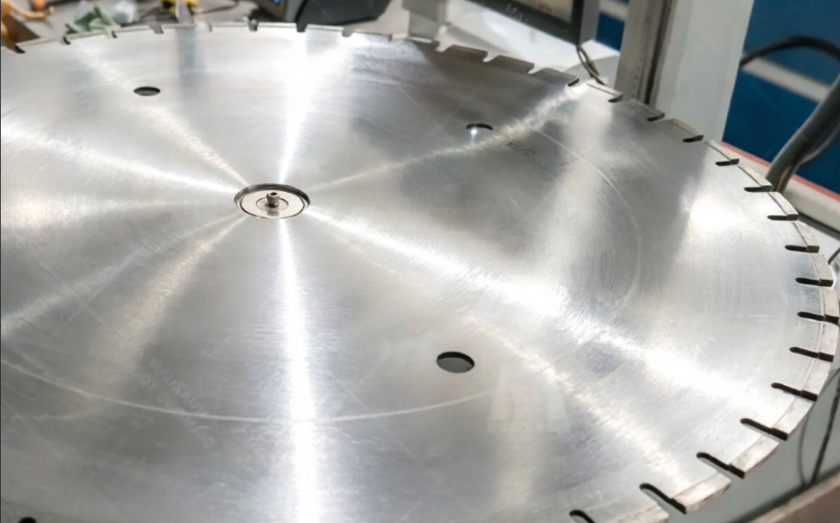
Laser-welded diamond saw blades manufactured in ORIDAWN's ISO 9001-certified facility in EZhou. Each blade is dynamically balanced before shipment.
A $40 blade that lasts 200 cuts costs you more than a $90 blade that lasts 1,000 cuts. The math is brutal — and it is the math most buyers ignore.
Most contractors buy diamond saw blades the way they buy toilet paper: lowest price wins. But a blade is not a consumable in the same sense. Its true cost is not what you pay at the counter — it is what you pay per linear meter of cut, after you factor in blade life, cutting speed, downtime for blade changes, and the cost of ruined workpieces.
After 10 years of manufacturing diamond blades for buyers in 50+ countries, we have learned that five engineering factors separate a cheap blade from a truly cost-efficient one. Here is what they are.
In this guide
1. The 5 engineering factors behind cost-efficient blades
2. The hidden costs of "cheap" diamond blades
3. How ORIDAWN engineers cost-efficient blades
4. Calculate your true cost-per-cut
Manufacturers love quoting "long life" because it sounds good. But lifespan without context is meaningless.
A blade that lasts 5,000 linear meters but cuts at 0.5 m/min costs you 167 hours of cutting time. A blade that lasts 3,000 meters at 2 m/min costs you only 25 hours. The second blade costs less — even though it wears out faster — because labor, machine depreciation, and electricity dominate the per-cut cost on any professional job.
What to actually ask for:
· Linear meters of cut, not hours of use
· Material tested — concrete grade, rebar content, aggregate type
· Cutting parameters used — RPM, feed rate, wet or dry
Speed is where most buyers make mistakes. A 30% faster blade does not just save time — it reduces every cost you pay by the hour: labor, machine rental, fuel, and overhead.
Premium diamond blades achieve faster cuts through:
· Optimized diamond concentration (matched, not maxed out)
· Tighter tolerance on segment height and width — a 0.3 mm segment-width tolerance versus an industry-standard 0.5 mm sounds minor, but it cuts friction, reduces heat, and lets you push harder
· Balanced core plates that run at higher RPM without vibration
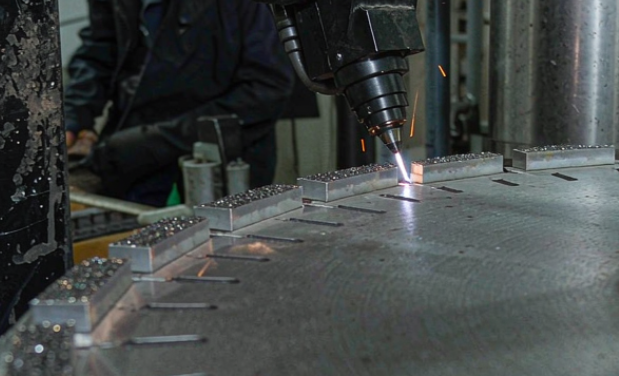
Laser welding at ORIDAWN. A clean, uniform weld bead — no yellow, black or porous discoloration — is the visible sign of a properly controlled laser process.
This is the spec most buyers ignore, and it causes the most failures in the field.
Laser-welded segments do not just "stay on." They form a metallurgical bond with the steel core that survives repeated thermal cycling (hot/cold cycles kill sintered bonds), side loading during deep cuts, and high-RPM operation.
Sintered (silver-soldered) blades work for marble and softer materials. For reinforced concrete, granite, and hard stone, laser welding is not optional — it is the only way to keep the segment on the blade when things get tough.
Quick field check
Look at the joint between segment and core. A clean, uniform weld bead with no visible discoloration means a properly controlled laser process. Yellow, black, or porous welds mean inconsistent heat input — and early segment loss in the field.
A diamond blade is a controlled wear system. The bond metal must wear at exactly the same rate as the diamond — exposing fresh cutting edges while keeping the diamonds anchored.
· Soft bond — bond wears faster than diamond. Best for hard materials (concrete, granite), but wears out quickly on soft, abrasive materials.
· Hard bond — bond wears slower than diamond. Best for abrasive materials (asphalt, block), but "glazes over" on hard materials (the blade stops cutting without wearing down).
The cost-saving match is simple: use the right bond for the material. A mismatched blade is the most expensive blade you can buy, regardless of its sticker price.
The shape of each segment is a calculated trade-off.
|
Segment Type |
Best For |
Trade-off |
|
Turbo |
Fast cutting, smoother finish |
Slightly shorter life |
|
Segmented (keyhole) |
Long life, hard materials |
Rougher cut, slower |
|
Continuous rim |
Tile, marble, granite |
Slowest, finest finish |
|
Sandwich (multi-layer) |
General purpose, abrasive materials |
Mid-range performance |
The cost question is not "which is best" — it is "which matches the material and the cutting machine." A continuous-rim blade on reinforced concrete will burn through the bond in hours.
A blade at 60% of the premium price usually signals one of four compromises:
1. Lower diamond concentration — faster wear
2. Sintered welding instead of laser — segment loss risk
3. Lower-grade steel core — wobble, vibration, safety risk
4. Generic bond formulas — poor material match
A single segment loss in the field costs you the blade (if it survives), 30–60 minutes of downtime, often a workpiece or two, and a frustrated crew. That one failure wipes out the savings from buying ten cheap blades.
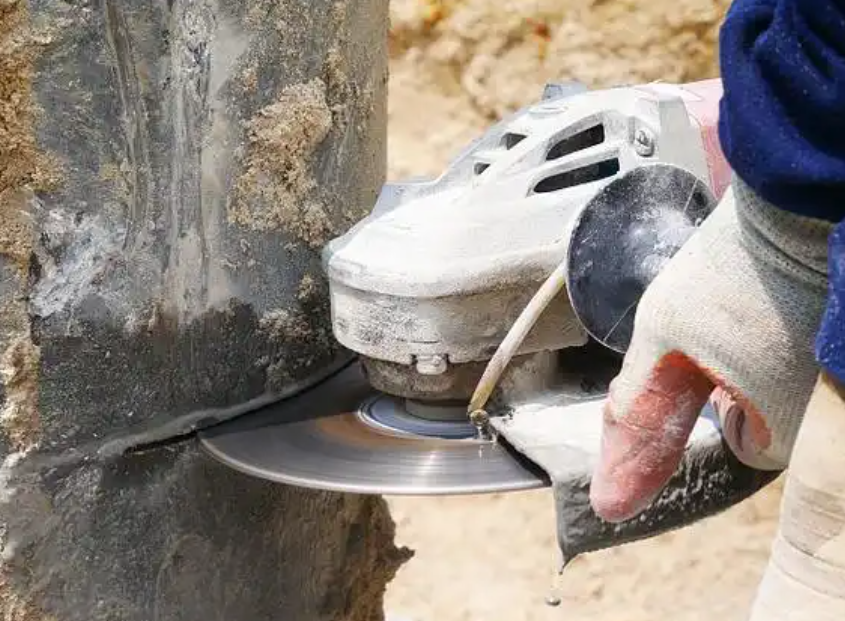
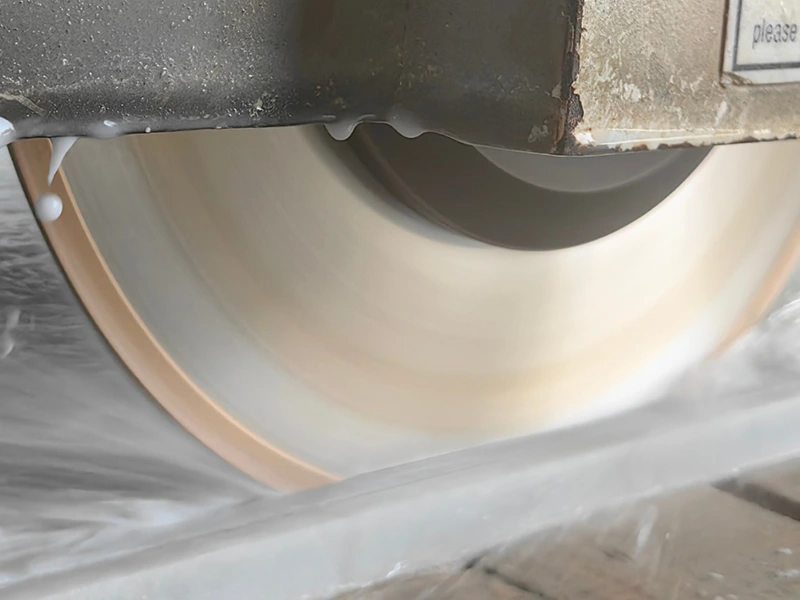
A well-matched ORIDAWN blade cutting reinforced concrete on site. A steady feed rate are the visible signs of a matched bond and segment geometry.
ORIDAWN has spent 10 years refining every variable above. Our blades are manufactured in a 33,333 m² facility in EZhou, certified to ISO 9001, and shipped to buyers in more than 50 countries.
What we control, blade by blade:
· Diamond grade selection matched to your specific material
· Laser welding with optical inspection on every joint
· Segment geometry designed for your application — concrete, asphalt, marble, granite
· Heat treatment for the steel core — eliminating wobble at high RPM
· End-of-line dynamic balancing — every blade, not just samples
The result: blades that consistently deliver lower cost-per-cut than the leading European and Korean brands, at 30–40% lower unit cost.
Use this formula before your next blade purchase:
Cost per meter = (Blade price + Downtime cost) ÷ Linear meters of cut
Example — same job, two blades:
· Blade A: $40, lasts 200 m, 15 min change × $50/hr labor → $40 + $12.50 = $0.26/m
· Blade B: $90, lasts 1,000 m, 15 min change × $50/hr labor → $90 + $12.50 = $0.10/m
Blade B is 2.6× cheaper per meter — even though it costs 2.25× more upfront.
"Stop buying blades. Start buying meters of cut."— The ORIDAWN engineering team's standing rule
Tell us what you are cutting, your machine, and your typical feed rate. We will recommend the right segment shape, bond, and laser-welded spec — no obligation.
1.How do I know which bond hardness I need for my diamond blade?
It depends on the material hardness and abrasiveness. For hard, less abrasive materials (granite, hard concrete), use a soft bond. For soft, abrasive materials (asphalt, sandstone), use a hard bond. When in doubt, send us your material specs and we will match the blade.
2.Can laser-welded diamond blades be re-sharpened?
Yes, but only by opening the weld joint. Most users replace the blade rather than re-tip it, because the cost of re-tipping approaches the cost of a new blade.
3.What is the most common reason diamond blades fail prematurely?
Wrong bond for the material. This causes either "glazing" (no cut) or rapid wear (short life). Material matching matters more than any other spec.
4.How do I calculate the true cost-per-cut of a diamond blade?
Use the formula: (Blade price + Downtime cost) ÷ Linear meters of cut. Always include the labor cost of changing the blade — typically 15 to 30 minutes per change at your crew's hourly rate.
Steven Li — Director, ORIDAWN
Steven leads ORIDAWN's diamond tool manufacturing and export business from Wuhan, China. With 10+ years in the field, he writes practical guides on diamond blade selection, cutting cost optimization, and B2B procurement for contractors and distributors in 50+ countries.