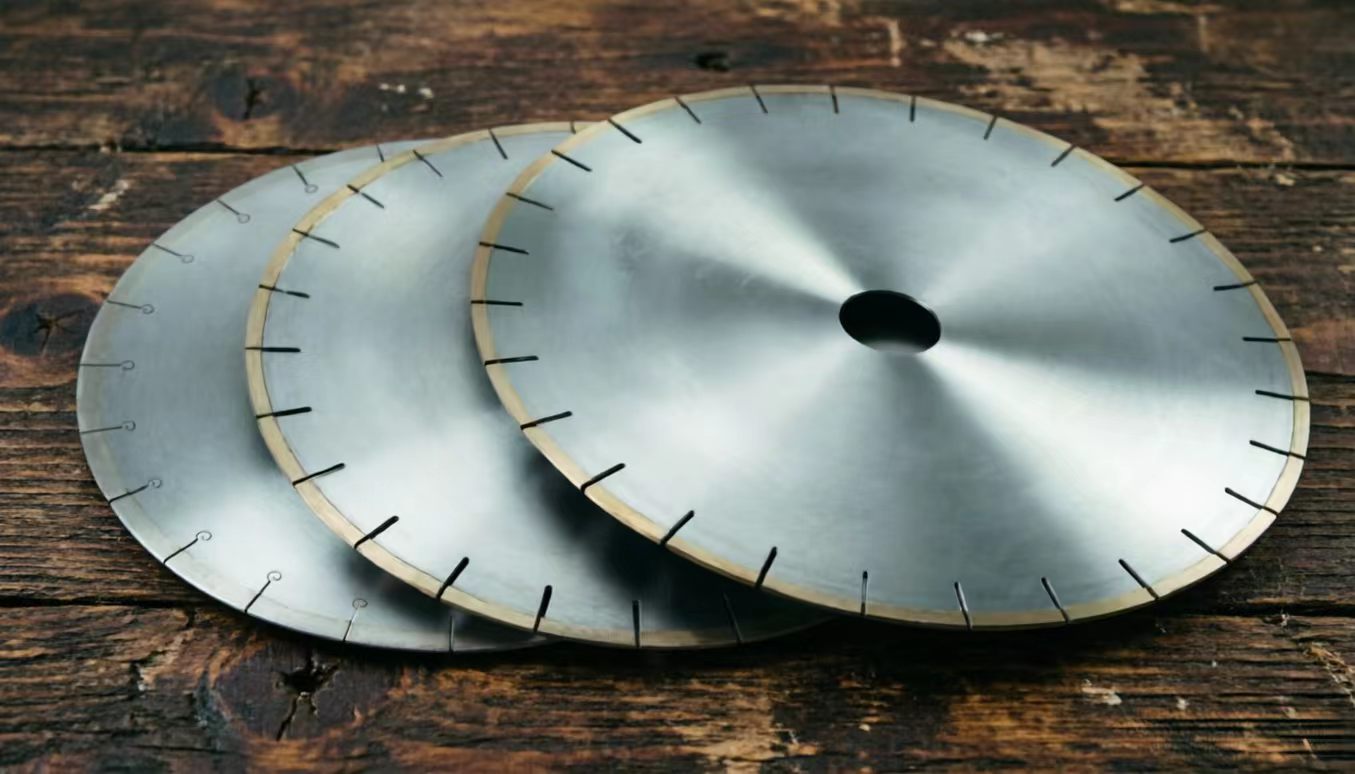
Choosing the right diamond saw blade is not just a technical decision—it directly affects cutting efficiency, precision, safety, and overall project cost. Whether you are working in construction, stone processing, tile installation, or concrete cutting, using the wrong blade can lead to poor performance, faster wear, and even equipment damage.
This guide breaks down everything you need to know to confidently select a high-quality diamond saw blade that matches your application.
一.Understand What a Diamond Saw Blades
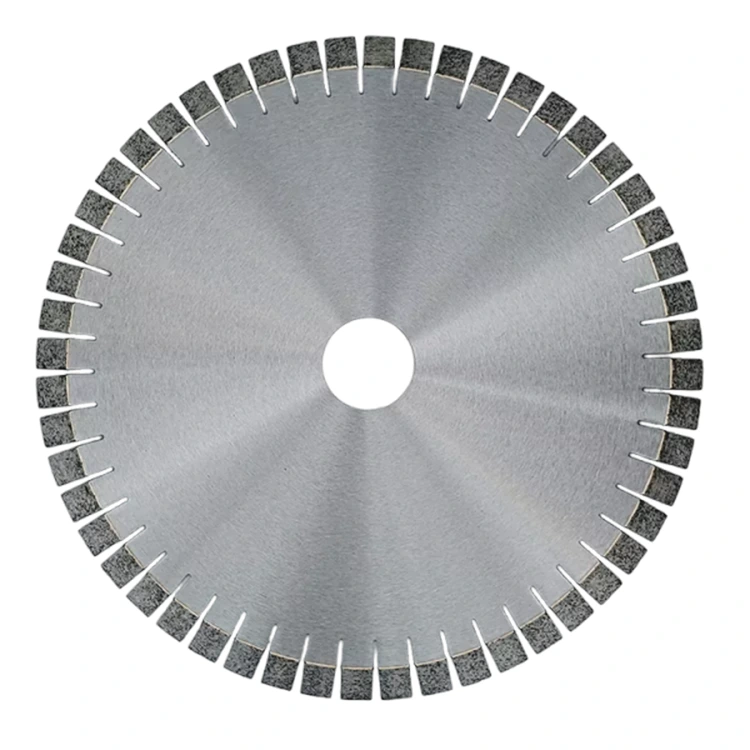
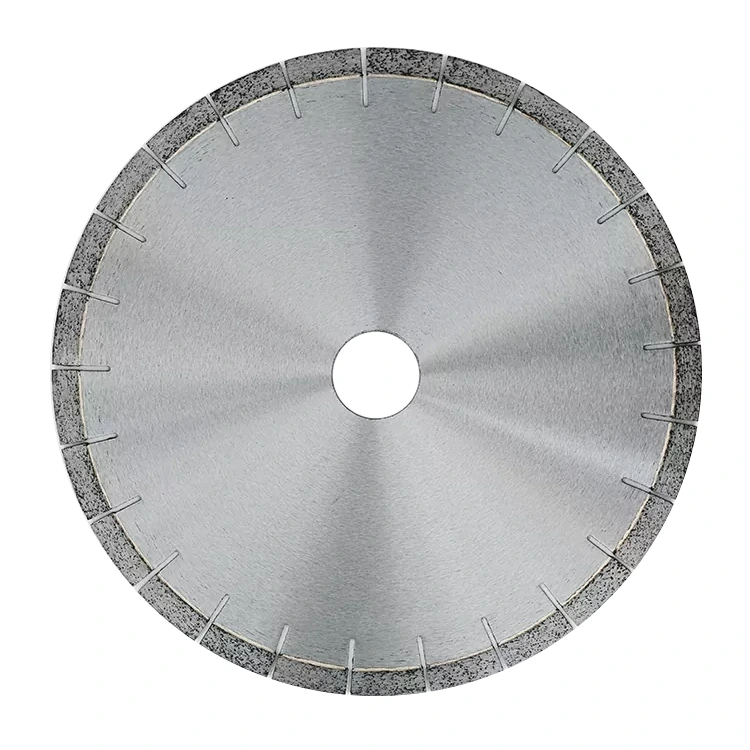
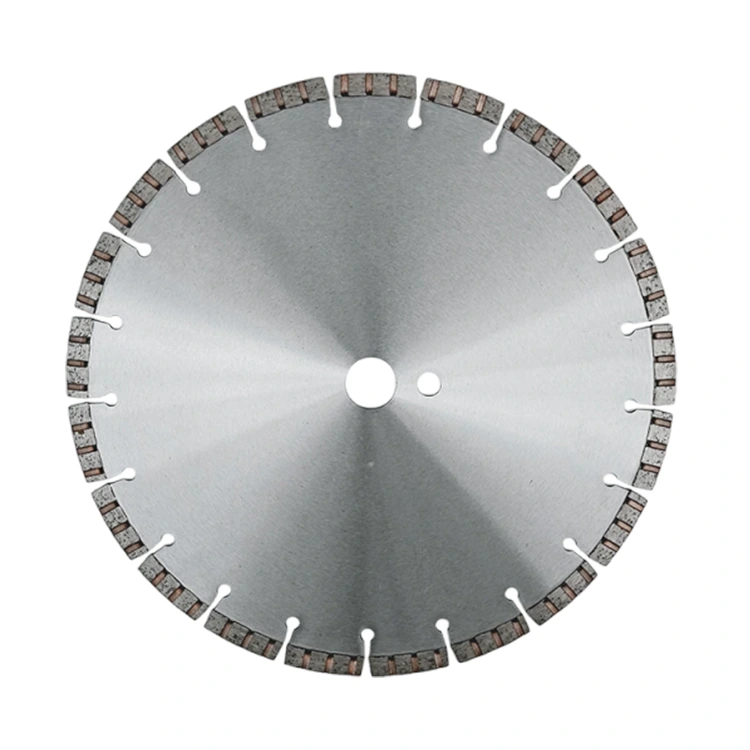
A diamond saw blade is a cutting tool with industrial diamond segments bonded to its edge. These diamonds do not “cut” in the traditional sense—they grind through hard materials like concrete, granite, marble, ceramic, asphalt, and reinforced structures.
The performance of a blade depends on:
Diamond quality and concentration
Bonding material (metal matrix)
Segment design
Blade core structure
A high-quality blade balances these factors for durability and cutting speed.
二.Identify Your Cutting Material First
The most important step is choosing a diamond saw blade based on the material you are cutting. Different materials require different segment bonds.
Common materials and blade types:
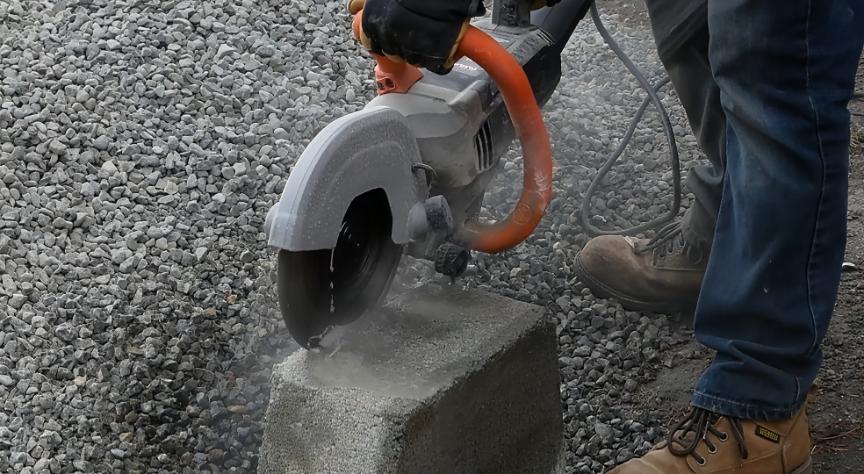
1. Concrete & Reinforced Concrete
Requires strong, wear-resistant segments
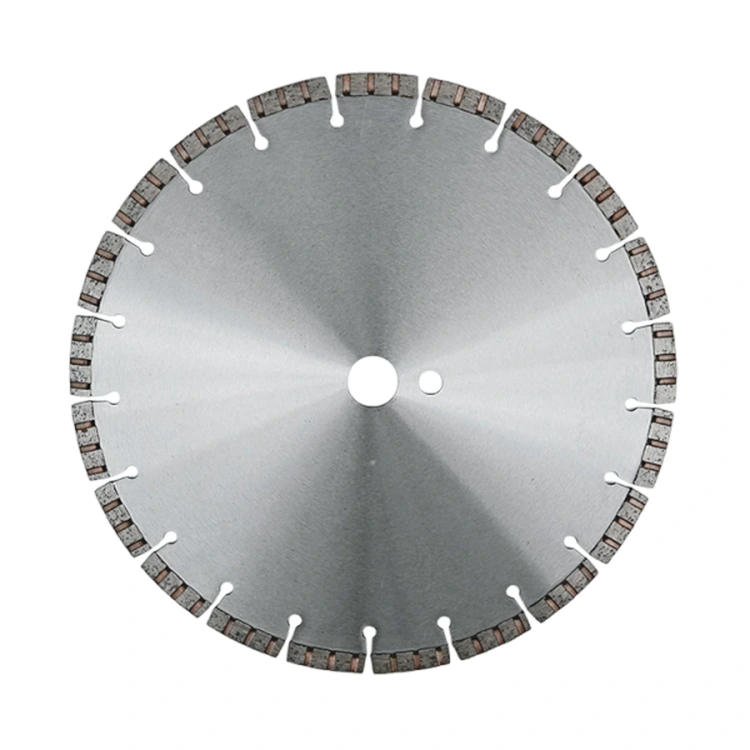
Often uses segmented turbo blades
Must handle steel rebar inside concrete
2. Granite and Hard Stone
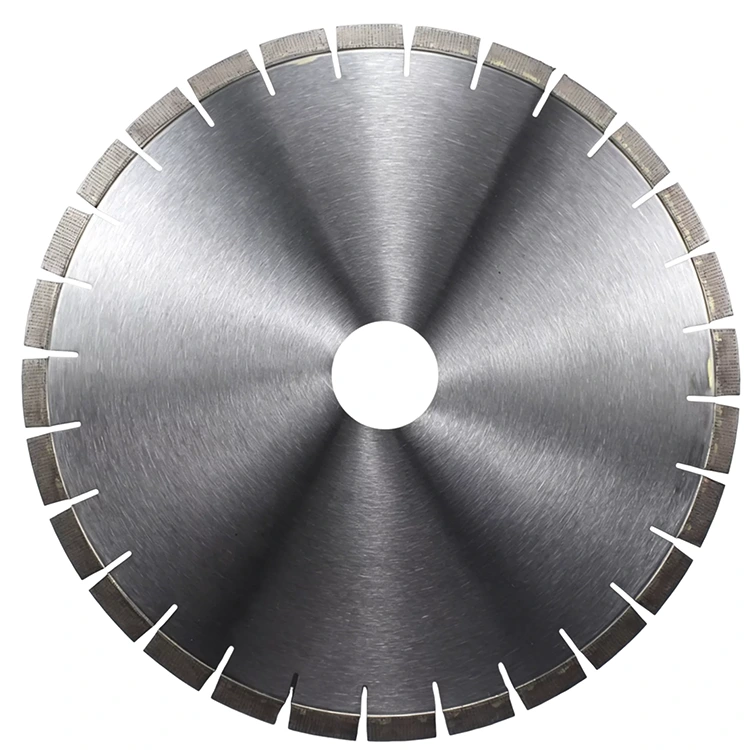
Needs soft bond blades to expose diamonds faster
High diamond concentration required
3. Marble and Soft Stone
Requires clean cutting without chipping
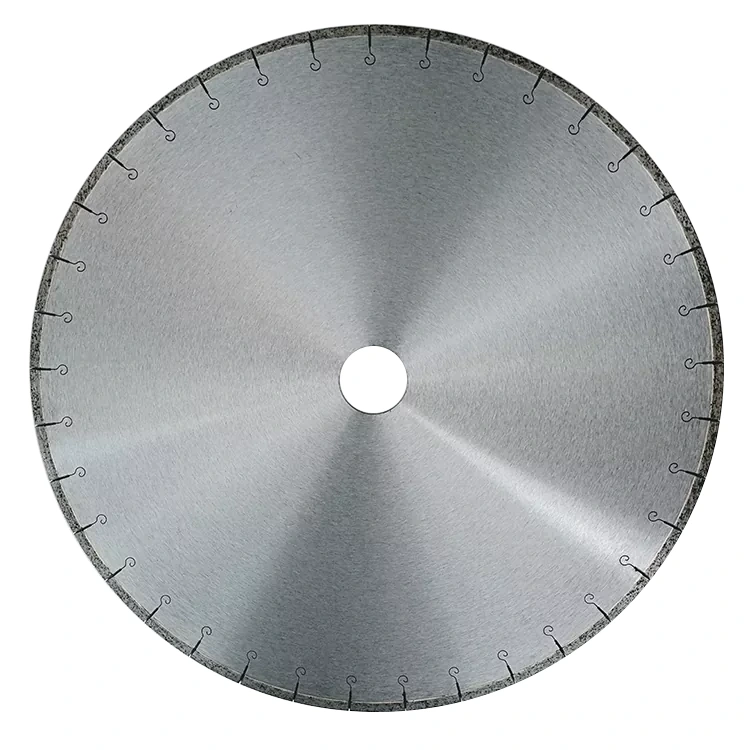
Continuous rim blades are preferred
4. Asphalt
Needs wide segment gullets for cooling and debris removal
Usually soft bond blades
5. Ceramic and Porcelain Tiles
Requires ultra-fine, precise cutting
Continuous rim turbo blades for smooth edges
If you mismatch blade and material, the blade will either wear too fast or cut inefficiently.
Wet Cutting
Uses water for cooling
Reduces dust
Extends blade life
Ideal for stone and tile
Dry Cutting
No water required
More convenient for construction sites
Generates more heat and dust
Requires heat-resistant blade design
Before purchasing, confirm:
Diameter (e.g., 4”, 7”, 14”, 16”)
Arbor hole size (fits your machine)
Maximum RPM rating
Using an incompatible blade can lead to:
Equipment damage
Safety hazards
Poor cutting performance
Always match blade specifications with your saw machine.
We use cookies to offer you a better browsing experience, analyze site traffic and personalize content. By using this site, you agree to our use of cookies.Privacy Policy