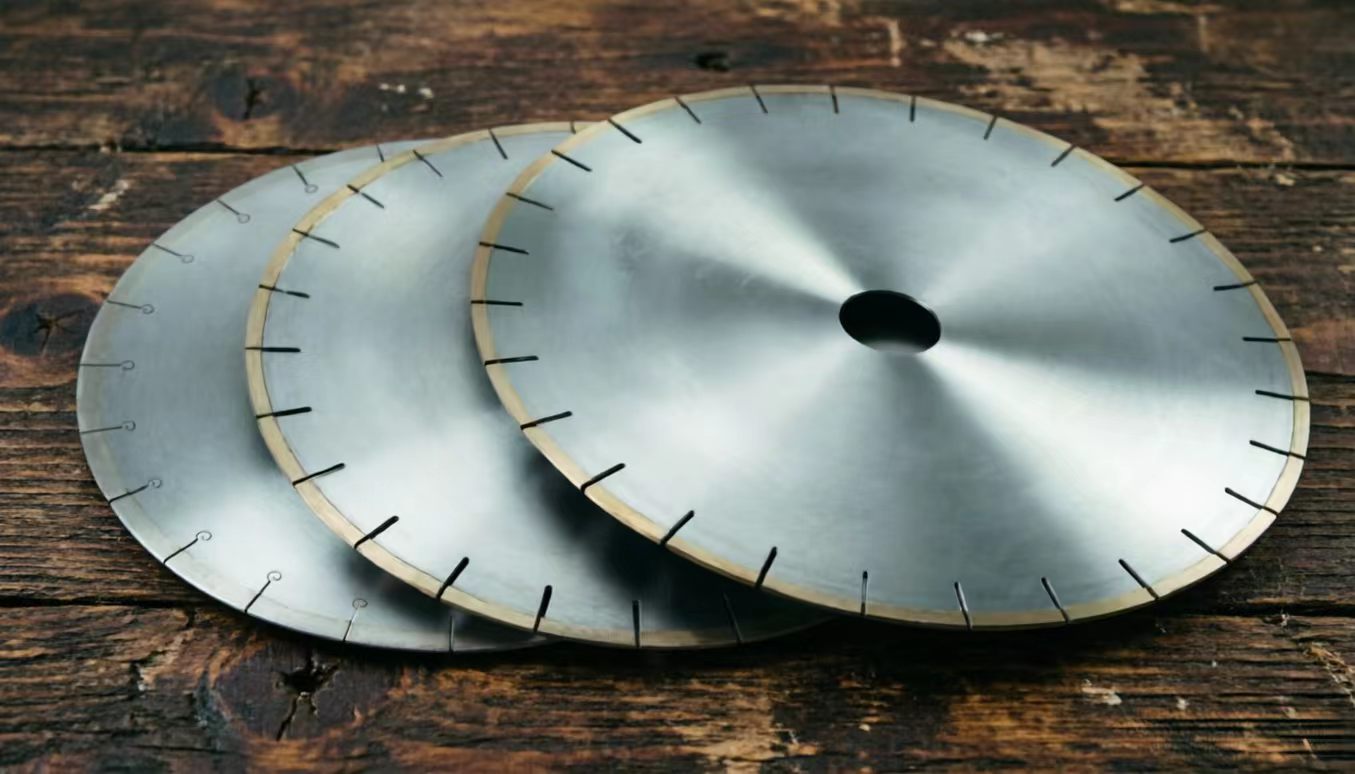

Cutting ceramic tile demands precision, patience, and most importantly, the right tool. Unlike natural stone or concrete, ceramic and porcelain tiles are extremely brittle materials that chip and crack easily if cut improperly. Diamond saw blades designed specifically for ceramic tile cutting are engineered to deliver chip-free, clean cuts that meet the exacting standards of professional tilers and DIY enthusiasts alike.
In this comprehensive guide, we'll walk you through everything you need to know about diamond saw blades for ceramic tile cutting — from blade types and specifications to selection criteria and best practices.
Ceramic and porcelain tiles are manufactured from clay minerals fired at extremely high temperatures, resulting in materials with hardness ratings of 6-8 on the Mohs scale. Traditional abrasive blades simply cannot cut these materials efficiently — they wear out rapidly, produce rough edges, and generate excessive heat that can crack the tile.
Diamond saw blades solve these problems through a fundamentally different cutting mechanism. Instead of abrasive grinding, diamond crystals micro-cut the tile surface, producing clean, precise cuts with minimal thermal stress. The key advantages include:
· Chip-free cutting: Diamond blades, especially continuous rim types, produce smooth edges without chipping or splintering
· Longer blade life: Diamond is the hardest known material, offering 50-100x the life of conventional abrasive blades
· Precise cuts: Thin kerf design minimizes material waste and ensures straight, accurate cuts
· Cooler cutting: Water-compatible designs prevent heat buildup that causes tile cracking
· Versatility: Compatible with angle grinders, wet saws, and tile cutters
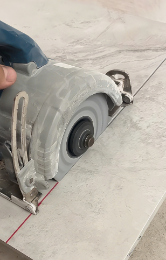
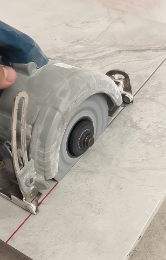
Professional tile cutting with a dry saw equipped with a diamond blade
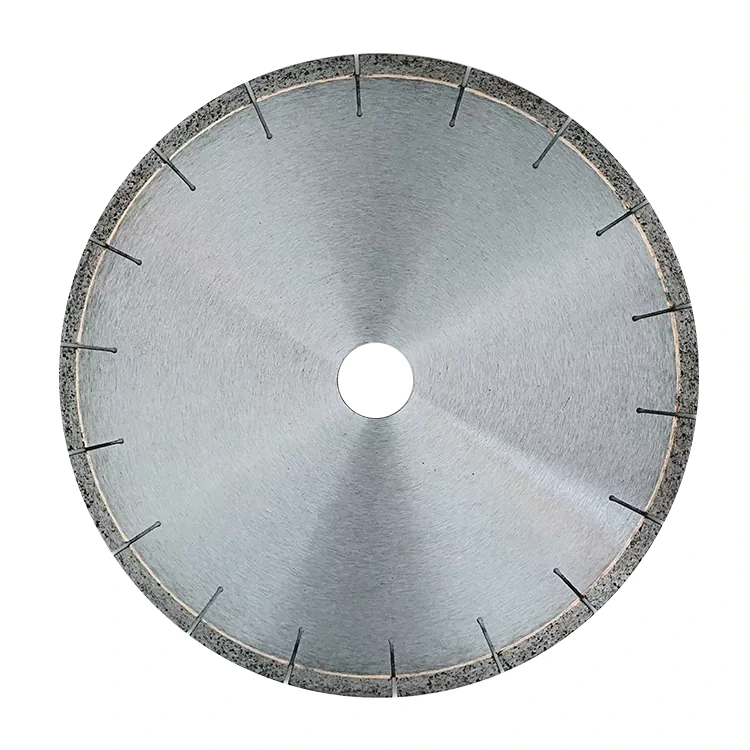
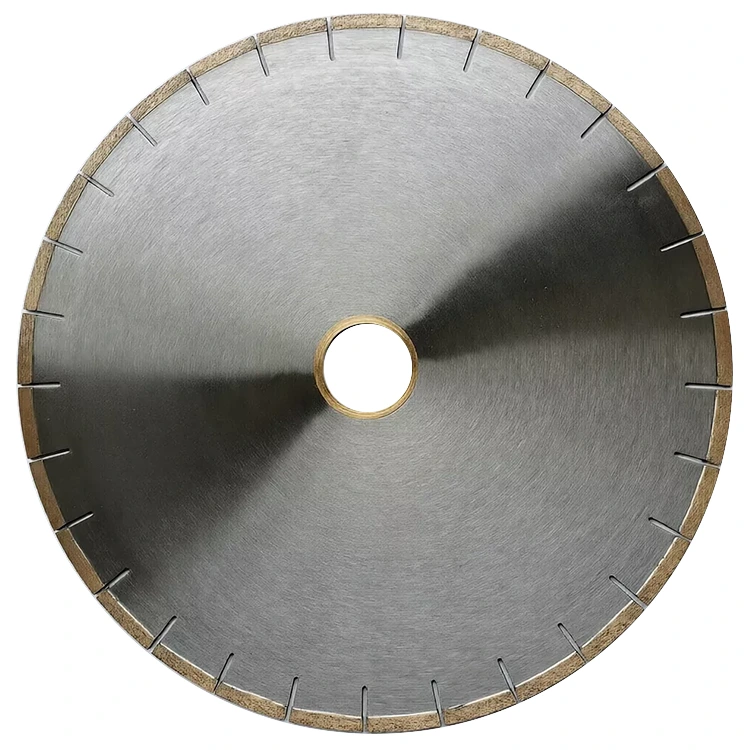
The continuous rim blade features a smooth, uninterrupted diamond edge with no segments or gaps. This design provides the smoothest possible cut, making it the gold standard for ceramic and porcelain tile cutting.
· Best for: Ceramic tile, porcelain tile, glass, marble, and delicate decorative tiles
· Cutting quality: Exceptional — virtually zero chipping
· Cutting speed: Slower than segmented or turbo blades
· Cooling: Must be used wet for optimal performance and blade life
· Typical diameters: 105mm (4.5"), 115mm (4.5"), 125mm (5"), 180mm (7"), 230mm (9")
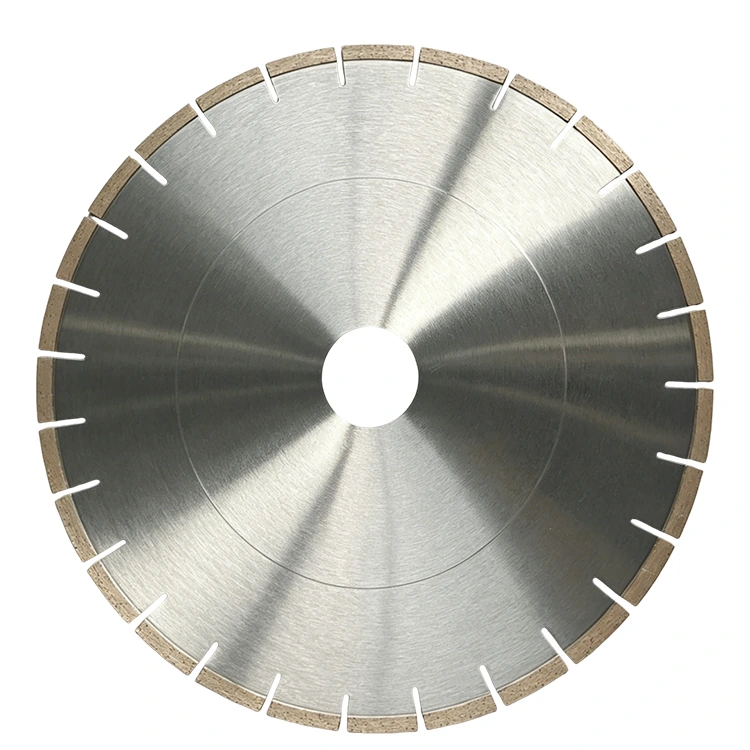
Turbo rim blades feature a serrated continuous edge with turbo wave segments. They offer a balance between cutting speed and cut quality, making them a versatile option for general tile work.
· Best for: Fast cutting of ceramic tile, quarry tile, and lighter porcelain
· Cutting quality: Good — minor chipping possible on brittle materials
· Cutting speed: Faster than continuous rim, slower than segmented
· Cooling: Can be used wet or dry (wet recommended for best results)
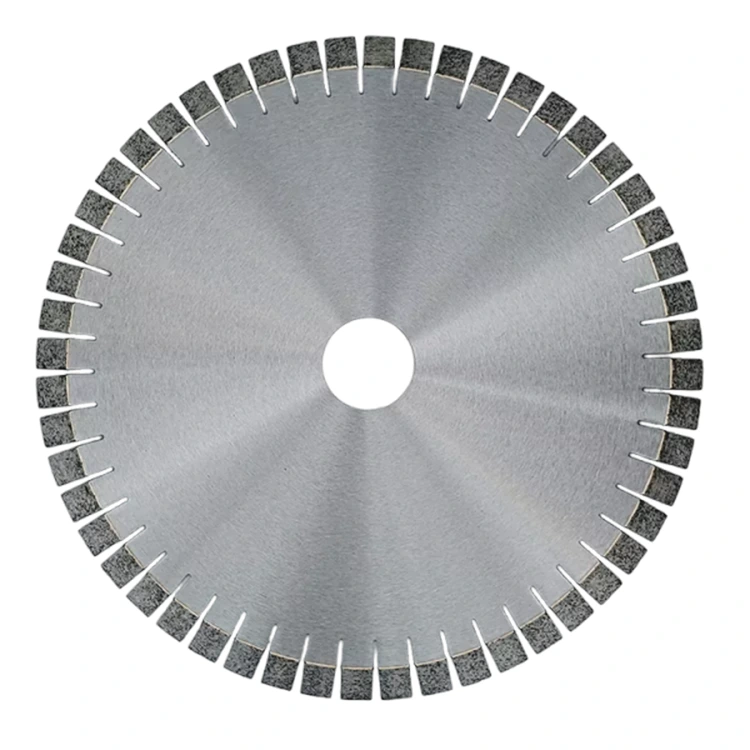
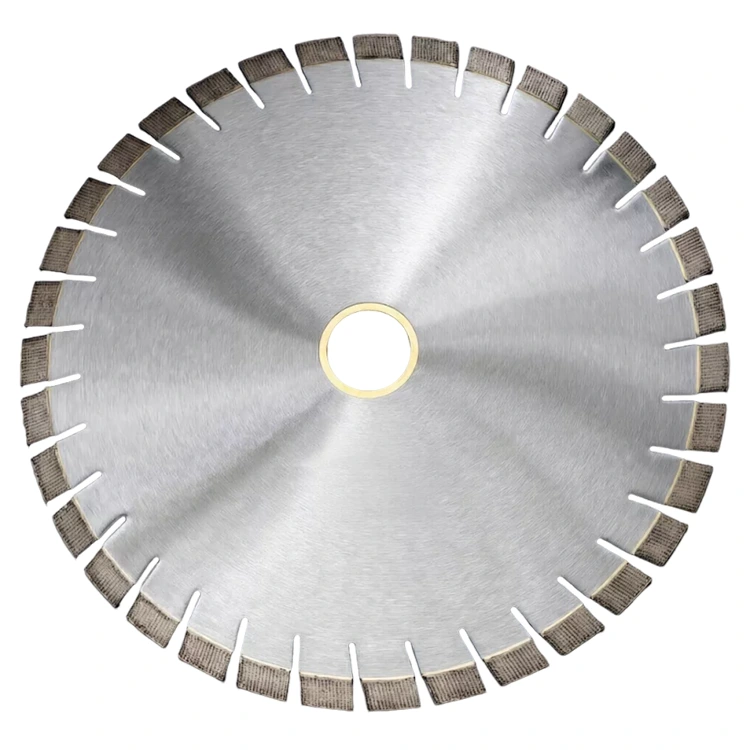
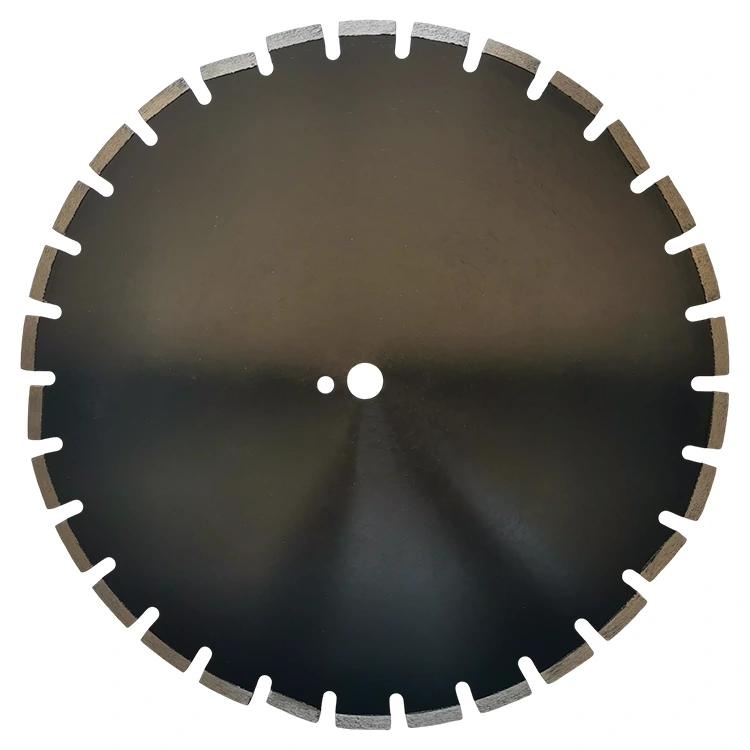
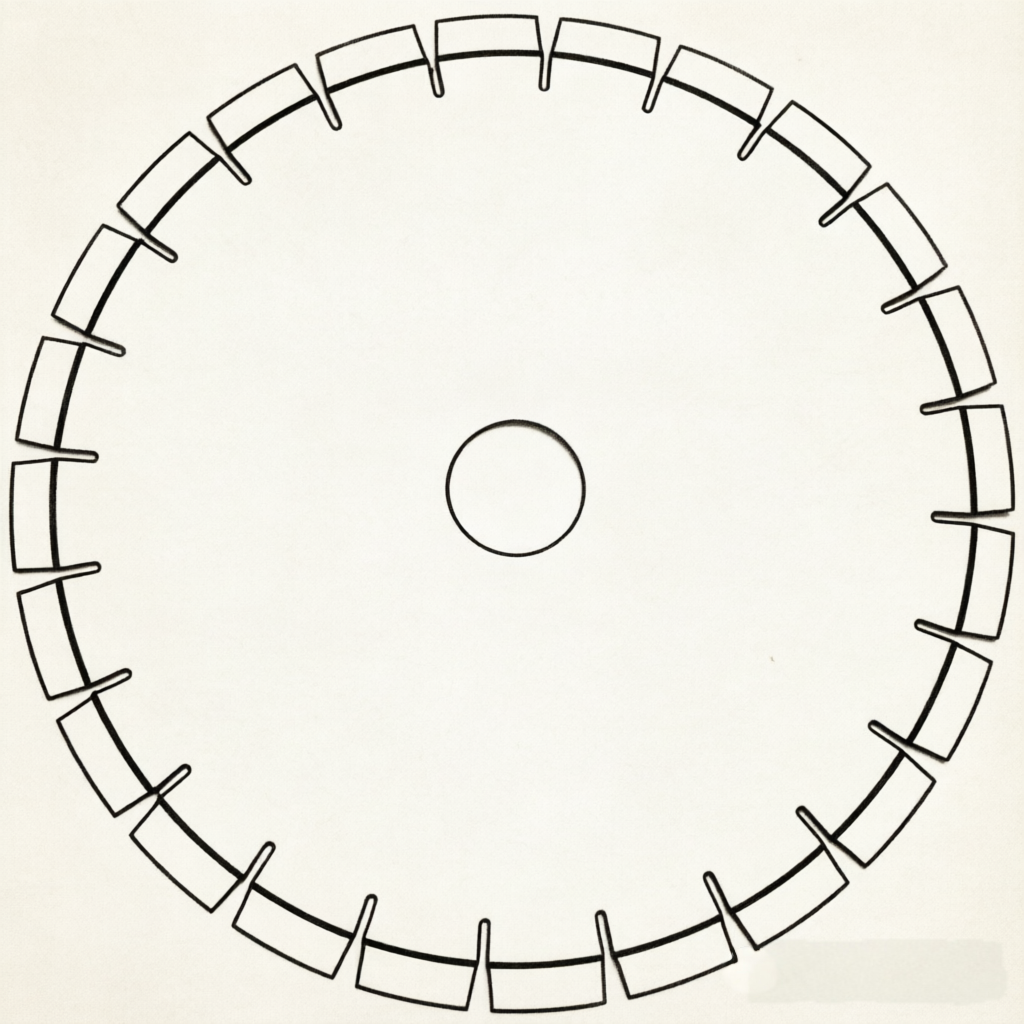
Segmented blades have gaps between diamond segments for aggressive cooling and debris removal. While excellent for concrete and stone, they are not recommended for ceramic tile as the segmented design causes significant chipping.
For professional tile installation work, always choose a continuous rim blade with wet cutting. The small speed sacrifice is well worth the dramatically superior cut quality.
The blade diameter determines the maximum cutting depth and must match your saw's arbor size. Common sizes for tile cutting:
|
Blade Diameter |
Arbor Size |
Max Cut Depth |
Recommended Tool |
|
105mm (4") |
20mm / 22.23mm |
25mm |
Angle grinder, mini tile saw |
|
115mm (4.5") |
22.23mm |
30mm |
Angle grinder, hand cutter |
|
180mm (7") |
22.23mm / 25.4mm |
50mm |
Wet tile saw, bridge saw |
|
230mm (9") |
22.23mm / 25.4mm |
70mm |
Large wet saw, bridge saw |
|
300mm (12") |
25.4mm |
100mm |
Industrial bridge saw |
The diamond grit size directly affects cut quality and speed. For ceramic tiles, finer grit is always preferred:
· 60/80 mesh: General-purpose tile cutting, good balance of speed and quality
· 80/100 mesh: Fine cutting for porcelain and glazed ceramic — smoother edges
· 100/120 mesh: Ultra-fine cutting for glass tiles and delicate decorative ceramics
The metal bond that holds the diamond crystals must be soft enough to wear and expose new diamonds, but hard enough to hold them securely. For ceramic tile cutting:
· Copper-tin (Cu-Sn) bond: Soft matrix (HRB 65-80) — ideal for ceramic tile, allows rapid diamond exposure
· Cobalt-copper (Co-Cu) bond: Medium matrix (HRB 80-95) — good for harder porcelain tiles
|
Factor |
Wet Cutting |
Dry Cutting |
|
Cut quality |
Excellent |
Good |
|
Blade life |
3-5x longer |
Standard |
|
Dust control |
No dust (water suppression) |
Significant dust |
|
Heat management |
Excellent (water cooling) |
Poor — risk of overheating |
|
Recommendation |
✅ Strongly recommended |
⚠️ Only for small jobs |
Premium ceramic tile blades feature kerf thicknesses of 1.0-1.8mm, compared to 2.5-3.5mm for general-purpose blades. The ultra-thin design minimizes material waste — critical when cutting expensive porcelain slabs or decorative tiles — and reduces cutting resistance for smoother operation.
Two manufacturing methods produce blades with distinctly different characteristics:
· Electroplated blades: A single layer of diamond is electroplated onto a steel core. Ultra-thin (0.5-1.0mm kerf), ideal for precision glass and ceramic cutting, but shorter lifespan.
· Sintered blades: Multiple layers of diamond are sintered into a metal bond. Thicker but much longer lasting — the bond wears to continuously expose fresh diamonds.
Some premium continuous rim blades incorporate laser-cut cooling slots or sandwich cores (steel core with copper layer) that reduce cutting noise by up to 50% and improve heat dissipation.
The steel core is precision-tensioned to ensure the blade runs true at high RPM without wobbling. Core flatness tolerance of ≤0.05mm is standard for professional-grade blades.
|
Tile Type |
Mohs Hardness |
Recommended Blade |
Grit Size |
Cutting Mode |
|
Wall ceramic tile |
6 |
Continuous rim, sintered |
80/100 |
Wet |
|
Floor ceramic tile |
6-7 |
Continuous rim, sintered |
60/80 |
Wet |
|
Porcelain tile |
7 |
Continuous rim, Co-Cu bond |
60/80 |
Wet |
|
Glazed porcelain |
7 |
Continuous rim, fine grit |
80/100 |
Wet |
|
Glass tile |
6 |
Electroplated continuous rim |
100/120 |
Wet |
|
Mosaic tile |
6-7 |
Continuous rim, ultra-thin |
80/100 |
Wet |
|
Sintered stone (slab) |
7-8 |
Continuous rim, premium Co bond |
50/60 |
Wet |
Always wear safety goggles, a dust mask (N95 or better), and cut-resistant gloves when cutting ceramic tiles. Even with wet cutting, fine silica particles can be released. Ensure proper ventilation in enclosed work areas.
1. Mark your cut line clearly using a pencil or grease marker. Use a straightedge guide for long cuts.
2. Start with a shallow scoring pass before committing to a full-depth cut. This prevents the tile from cracking along unintended lines.
3. Maintain steady, even pressure — let the blade do the work. Forcing the blade causes chipping and premature wear.
4. Keep water flowing continuously during wet cutting. Insufficient cooling is the #1 cause of blade failure and tile cracking.
5. Support the tile properly on both sides of the cut to prevent breakage as the cut completes.
6. Clean the blade regularly — tile residue can build up on the rim, reducing cutting efficiency. A quick pass through a dressing stone restores performance.
A continuous rim diamond blade is the best choice for cutting ceramic tile. Its smooth, uninterrupted edge produces clean cuts with minimal chipping, making it ideal for fragile ceramic and porcelain tiles.
While dry cutting is possible with turbo rim blades for small jobs, wet cutting is strongly recommended for ceramic tiles. Water cooling prevents overheating, extends blade life by 3-5x, and eliminates harmful silica dust.
Fine grit sizes of 60/80 to 100/120 mesh are recommended for ceramic tile cutting. Finer grit produces smoother cuts with less chipping, which is critical for visible tile edges in decorative applications.
A quality continuous rim diamond blade can cut 200-500 linear meters of ceramic tile, depending on tile hardness, blade quality, and proper cooling. Premium blades from Oridawn can achieve even longer service life with proper maintenance.
The recommended blade speed is 30-50 m/s (linear speed). For a 115mm blade, this translates to approximately 5,000-8,000 RPM. Always check the blade's maximum RPM rating and never exceed it.
When it comes to ceramic tile cutting, the quality of your diamond blade makes the difference between a flawless finish and a costly mistake. Oridawn has established itself as a trusted manufacturer of premium diamond tools, serving professional tilers and distributors worldwide.
Oridawn uses only top-grade SMD+ synthetic diamonds, carefully selected for consistent crystal shape and cutting performance in ceramic applications.
Our vacuum hot-press sintering process ensures uniform diamond distribution and optimal bond hardness, delivering consistent cut quality across the entire blade life.
With kerf thicknesses from 1.0mm, Oridawn blades minimize material waste on expensive porcelain slabs while reducing cutting resistance for smoother operation.
Our continuous rim designs are engineered for wet cutting excellence, with optimized water flow channels that keep the blade cool and clean throughout the cut.
From 105mm to 350mm, Oridawn offers the complete size range for every tile cutting application — handheld grinders, wet saws, and bridge saws.
Direct factory pricing with flexible MOQ options makes Oridawn the ideal partner for tile distributors, contractors, and retailers worldwide.
Custom blade specifications, private label branding, and specialized bond formulations tailored to your specific tile materials and market requirements.