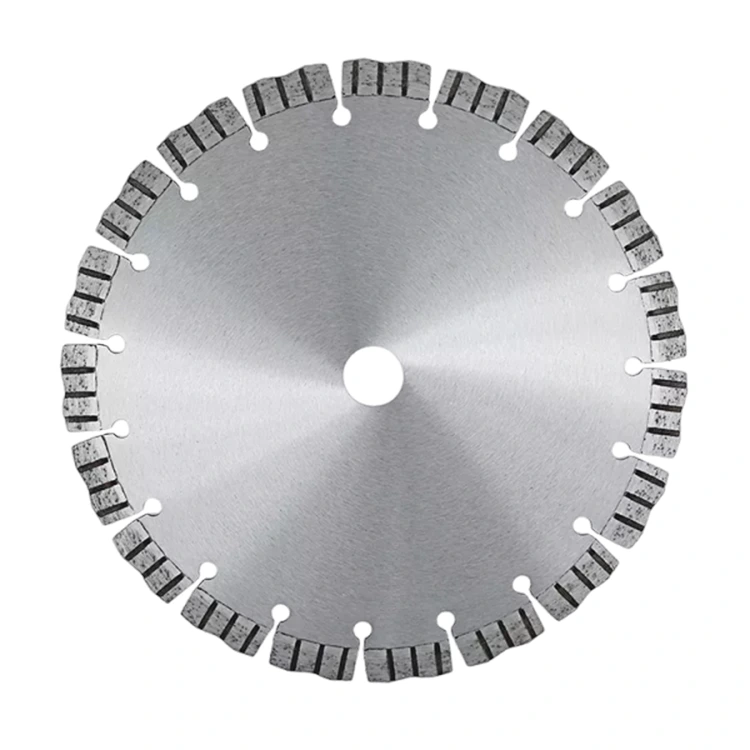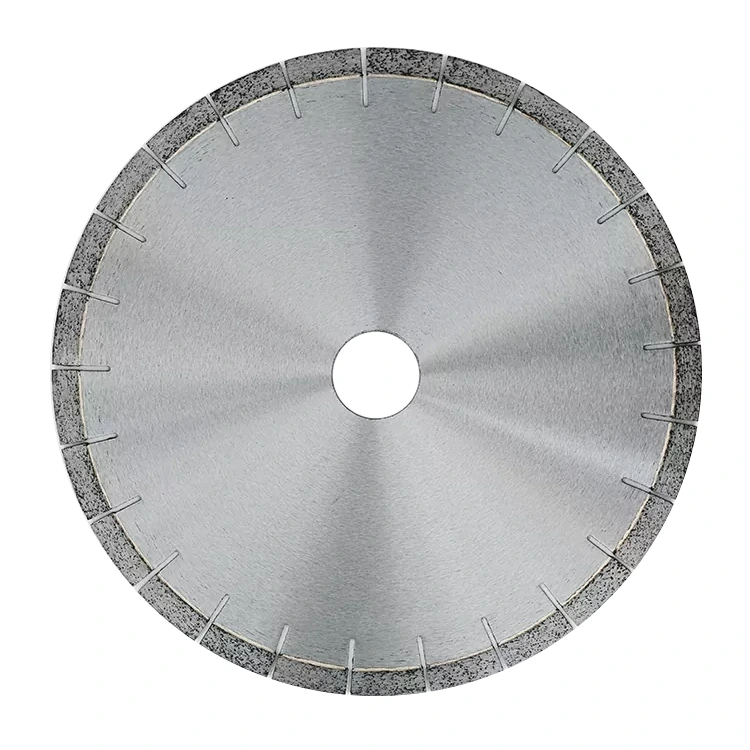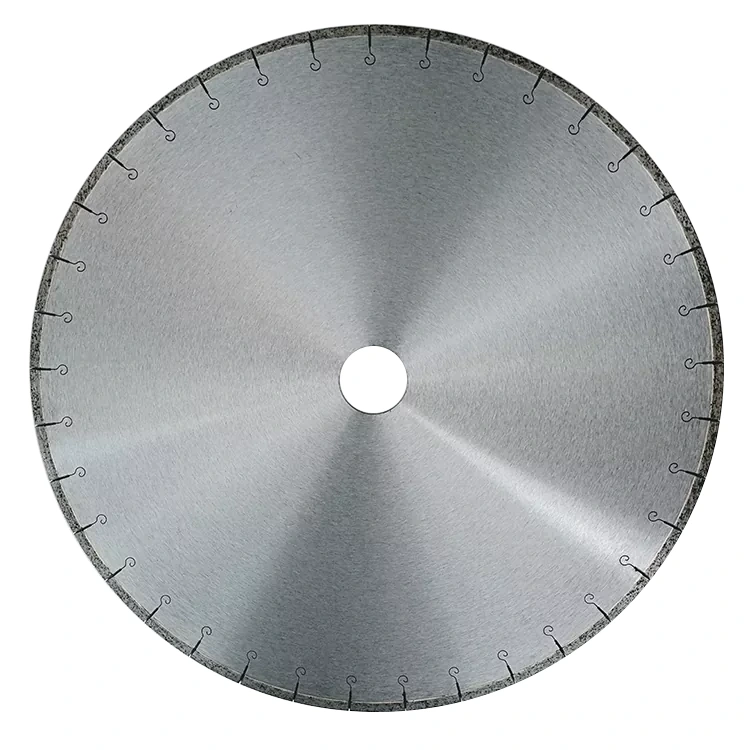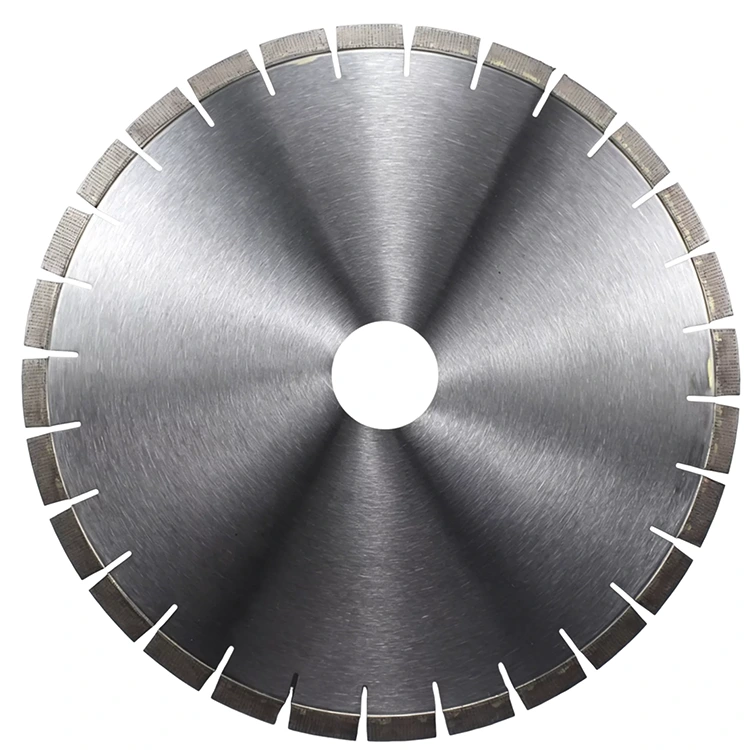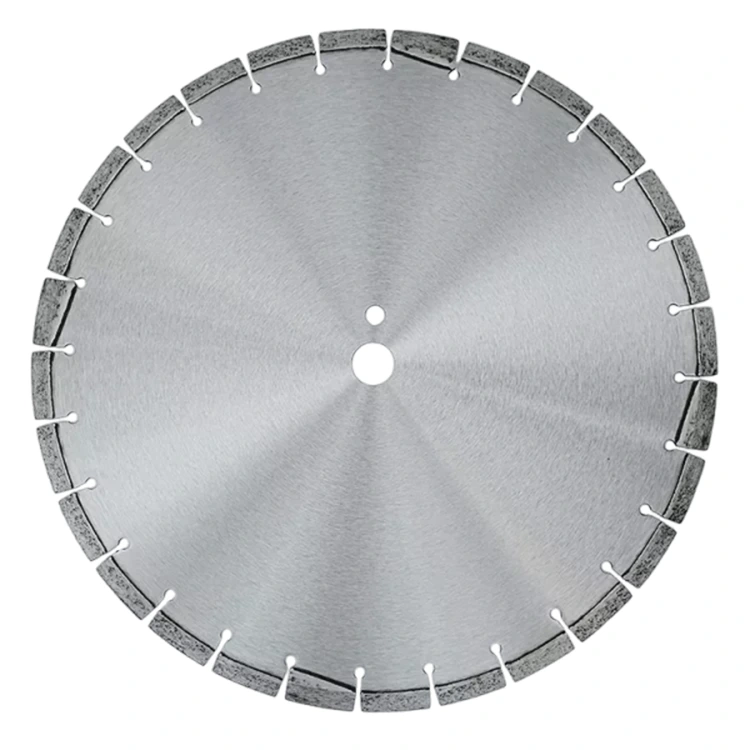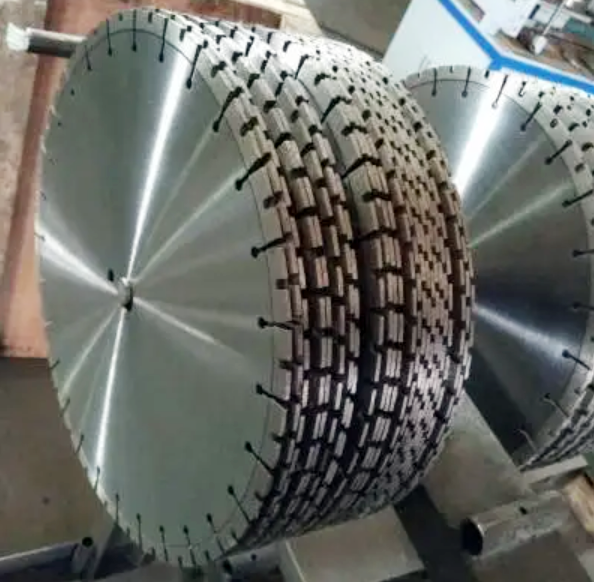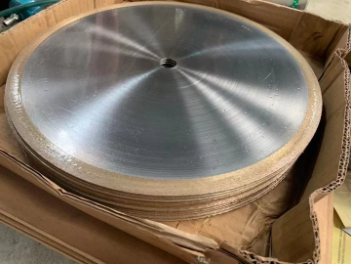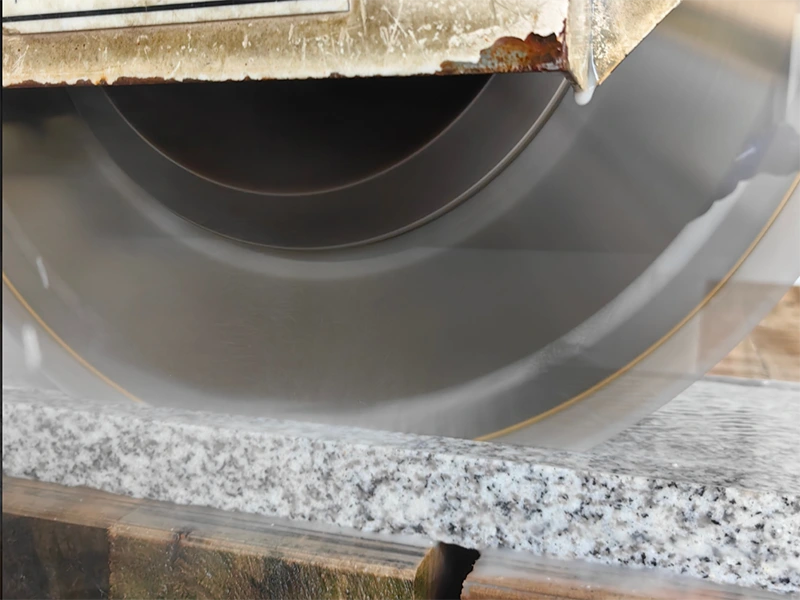

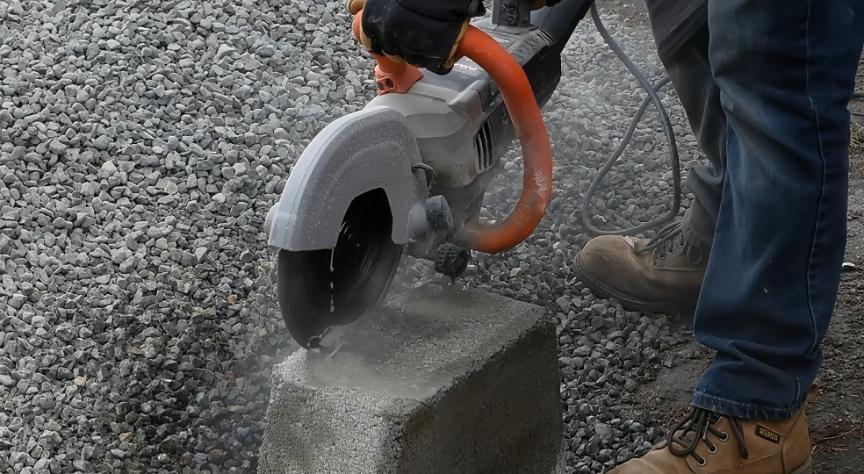
A thin-kerf diamond blade removing less stone and meeting less resistance on every pass.
Every cut in a stone shop costs two things most businesses never put on the same line: electricity and stone. A standard blade quietly burns both — a thick kerf turns expensive marble into dust, and a blunt segment geometry forces the saw motor to work harder than it needs to. An energy-saving diamond saw blade attacks both at once. Here is what that means, how it works, and the numbers fabricators actually see.
On a diamond blade, "energy saving" is not a sticker — it is a set of design choices that reduce the force the saw must apply to cut. Less force means less current drawn by the motor, less heat generated at the cut, and less cooling water required. The same choices that lower power also narrow the cut slot, which is where the material savings come from. The two benefits share one root cause: the blade removes only what it must.
-20%Motor power draw vs. standard bladeLower cutting resistance = lower current draw on every pass.
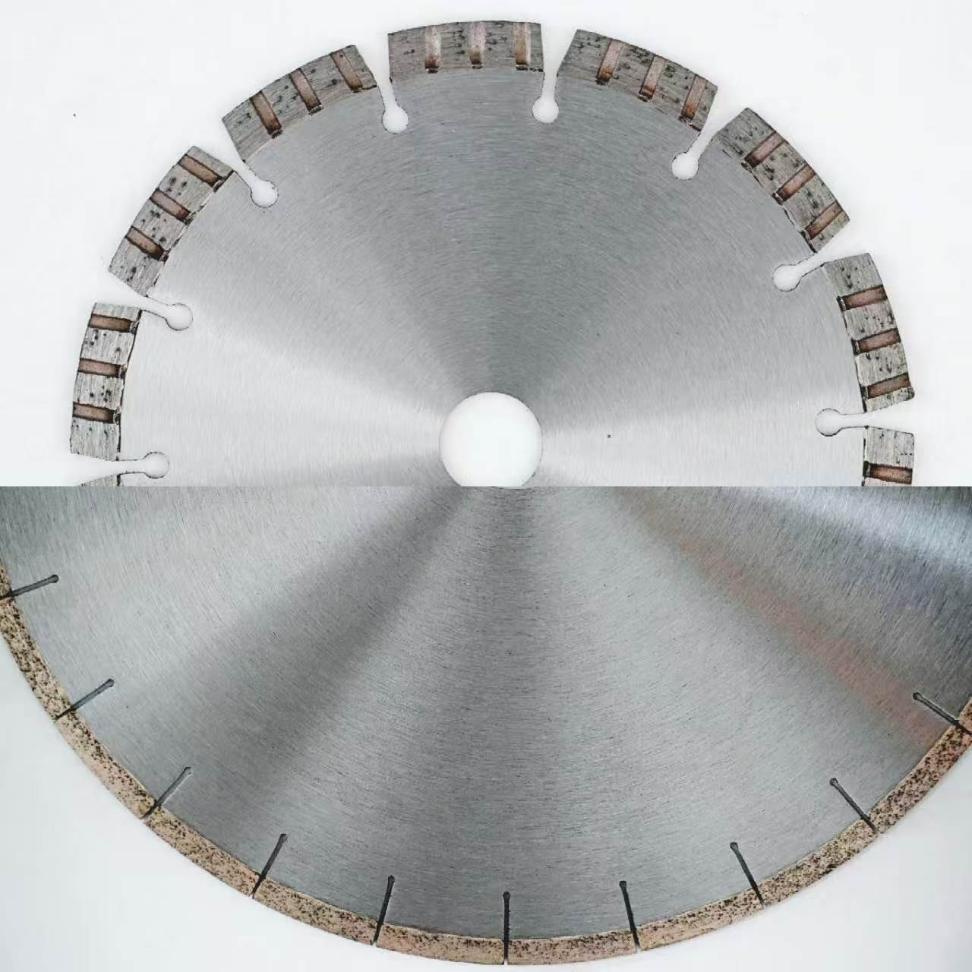
A narrower segment profile means less diamond and bond touching the stone at once. The motor meets less resistance, so it draws less current per cut. On a bridge saw running eight to ten hours a day, that difference lands straight on the electricity bill.
A tuned bond releases diamonds cleanly instead of smearing. Lower friction means a lower cutting temperature — so less energy is lost as heat and the cooling system works less hard.
Too few diamonds means slow, dragging cuts; too many means wasted cost and heat. Matching grit size and concentration to the material keeps the blade free-cutting and efficient across its whole life.
Thin kerfless wasteThick kerfmore waste→A narrower cut slot keeps more sellable stone in your inventory.
A standard ~3.2 mm segment can lose the equivalent of a full extra slab for every ~30 slabs cut. A thin-kerf diamond blade (as narrow as 2.2 mm on suited sizes) keeps that stone where it still has value — in your finished inventory.
Precise segmentation reduces chipping and edge breakout. Fewer rejected pieces means less material and labour thrown away, and a higher first-pass yield on expensive materials.
|
Factor |
Standard blade |
Thin-kerf energy-saving blade |
|
Kerf width |
~3.2 mm |
2.2–2.8 mm |
|
Motor power draw |
Baseline |
~15–25% lower |
|
Stone lost to kerf |
High |
~25–35% less |
|
Cutting heat |
Higher |
Lower (free-cutting bond) |
|
Edge chipping |
More frequent |
Minimal |
|
Blade life |
Baseline |
Up to 2× longer |
Figures are typical workshop ranges for granite and marble. Actual savings vary with material hardness, saw power, feed rate, and operator technique.
The same logic applies wherever you cut valuable, hard material and want to keep the yield:

The savings only show up when the blade is matched to the job. Hard materials (granite, engineered stone) want a harder bond and tougher diamond; soft materials (marble, some concretes) want a softer bond that stays open. Working with a manufacturer that tunes the bond, diamond concentration, and kerf width to your specific saw and material is what turns the theory above into a lower monthly bill.
How much energy can a thin-kerf diamond saw blade save?
In typical granite and marble cutting, a thin-kerf laser-welded blade reduces motor power draw by roughly 15–25% versus a standard blade, because the saw meets less cutting resistance and generates less heat.
Do thin-kerf blades cut as fast as standard blades?
Yes. With the right diamond concentration and bond, a thin-kerf blade cuts at equal or faster feed rates while using less power. Matching the segment design to the material is what delivers this.
Which materials are energy-saving blades suitable for?
Granite, marble, engineered stone, concrete, tile, and ceramic. The bond and diamond grit are tuned for hard versus soft materials so the blade stays free-cutting and efficient.
What is the typical blade lifespan?
Thin-kerf laser-welded blades commonly deliver up to twice the life of a comparable standard blade on the same material, thanks to cooler cutting and consistent diamond exposure.
Cutting costs rarely comes from one big change — it comes from removing waste everywhere it hides. A blade that draws less power and loses less stone does both on every single pass. For fabricators running high-volume saws, that is the kind of saving that compounds quietly, month after month.
Oridawn is a diamond tool manufacturer supplying fabricators and distributors worldwide with thin-kerf, laser-welded blades tuned for energy and material efficiency. Learn more about our diamond saw blade range.