
When sourcing diamond saw blades, buyers often focus on diameter, arbor size, and diamond grit — but overlook one specification that directly determines blade life and cutting efficiency: segment height. This guide explains what segment height is, how different heights compare, and how to choose the right one for your application.
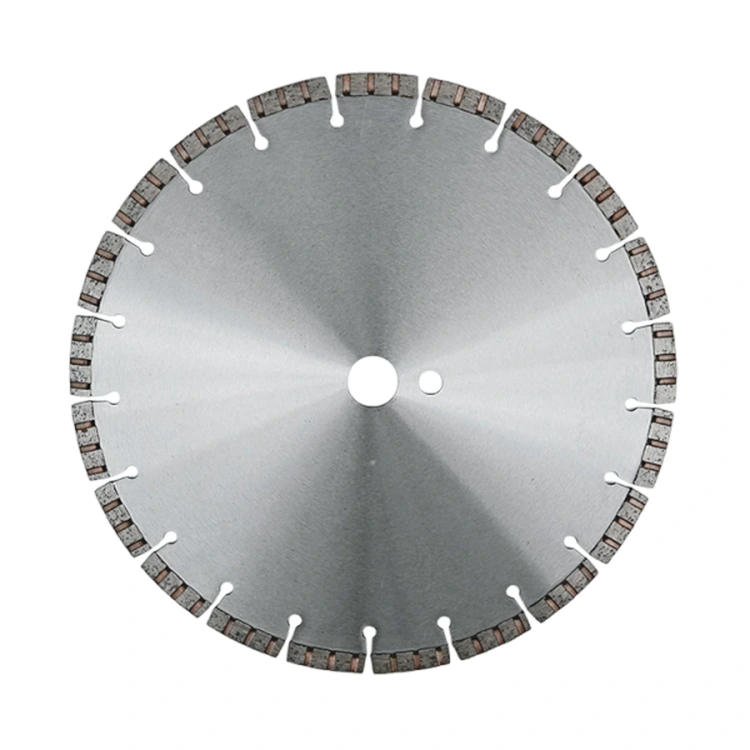
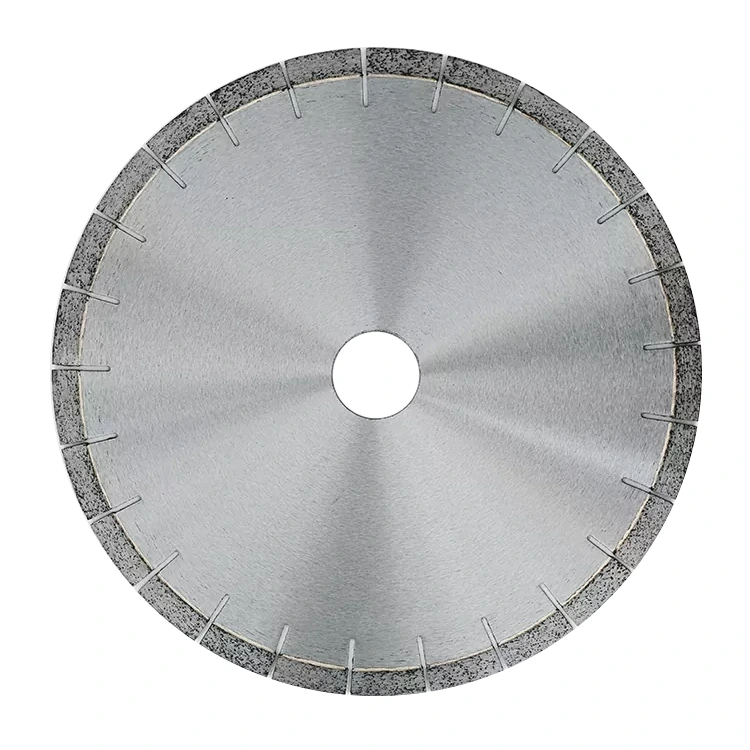
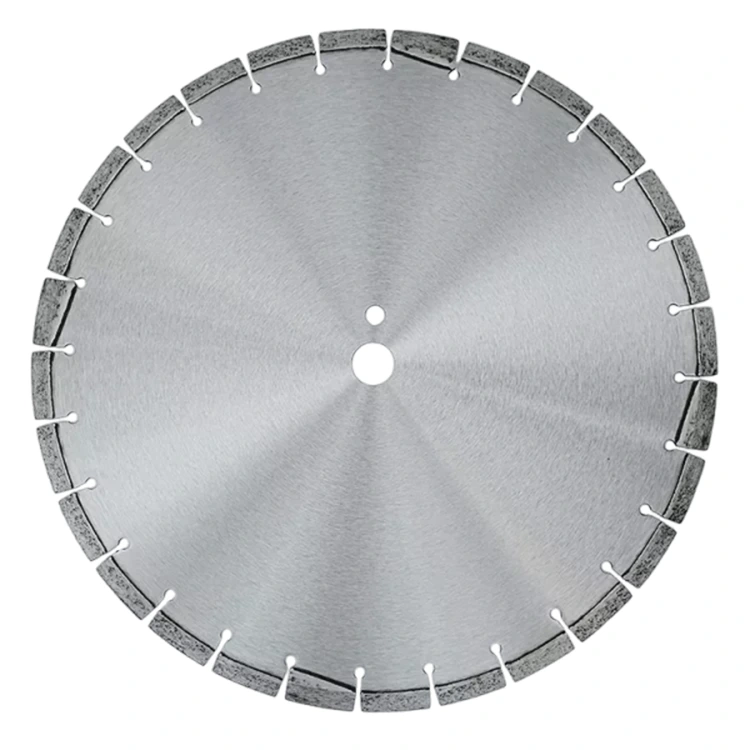
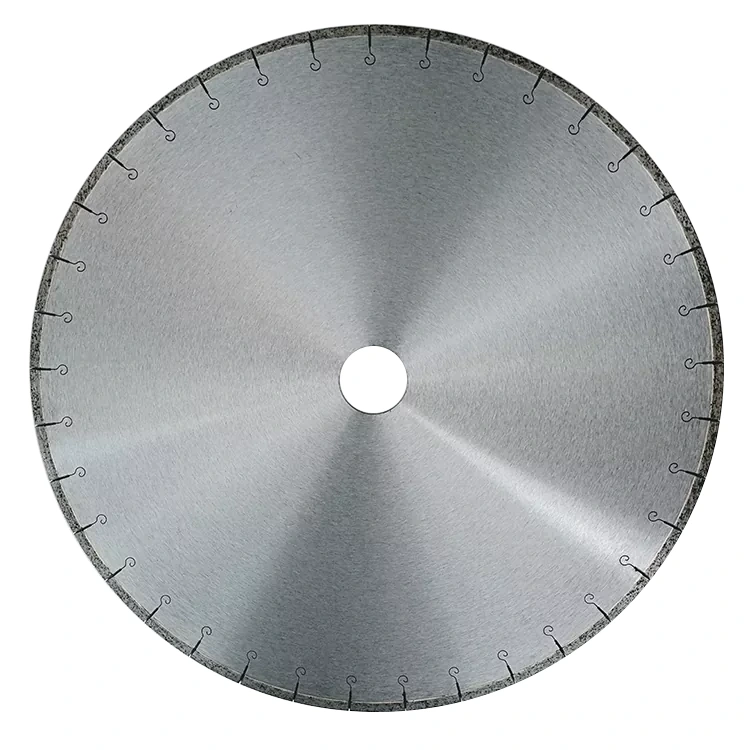
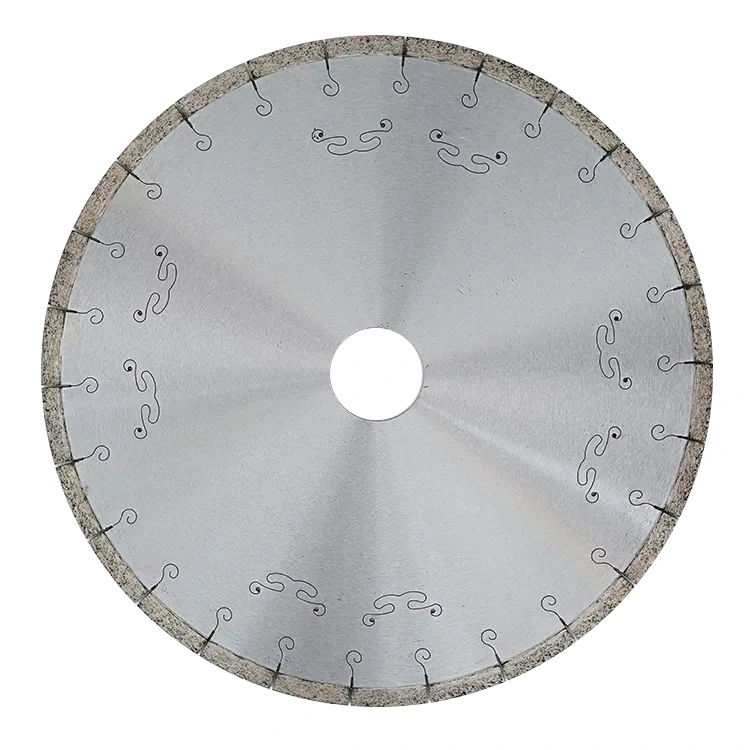
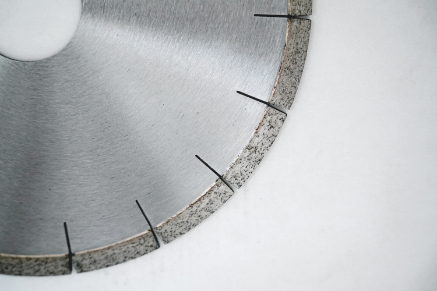
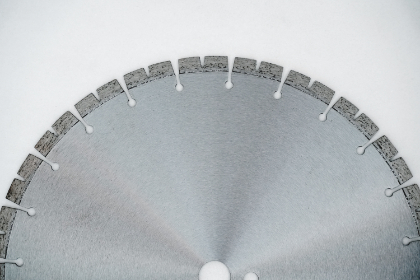
Segment height (also called "segment thickness depth" or "rim height") is the vertical measurement of the diamond-impregnated segment that is bonded to the steel core of a saw blade. This is the portion of the blade that actually performs the cutting — the steel core itself never touches the material being cut.
As the blade works, the bond matrix wears away, exposing new diamond particles. Once the segment is consumed down to the core, the blade has reached the end of its service life. Therefore, taller segments simply provide more cutting material, while shorter segments are consumed faster.
Segment height influences four key performance factors:
Diamond saw blade segment heights typically range from 5 mm to 20 mm. Here is how the ranges compare:
| Segment Height | Best For | Pros | Cons |
|---|---|---|---|
|
5 – 7 mm (Low) |
Ceramic tile, porcelain, thin materials, intermittent DIY use | Lowest cost, fast initial cutting speed, lightweight | Short blade life, not suitable for continuous or heavy-duty work |
|
8 – 10 mm (Medium) |
General-purpose concrete, masonry, brick, asphalt, marble | Good balance of life and cost, widely available | May not last long enough for very high-volume cutting |
|
10 – 12 mm (Medium-High) |
Standard construction sites, reinforced concrete, granite | Extended life, good value for professional trades | Higher upfront cost than medium |
|
12 – 15 mm (High) |
Heavy-duty continuous cutting, road work, hard concrete | Long life, lower cost per cut for large jobs, deeper gullets for cooling | Higher initial price, heavier blade |
|
15 – 20 mm (Extra High) |
Specialized long-life blades, large-scale infrastructure projects | Maximum cutting life, ideal for operations minimizing downtime | Highest cost, typically laser-welded only, overkill for small jobs |
Segment height is the single most direct factor determining blade life. A 12 mm segment contains roughly 50% more cutting material than an 8 mm segment of the same width. For contractors cutting hundreds of linear meters per week, this difference translates to fewer blade changes, less downtime, and lower total cost.
Shorter segments can sometimes cut faster initially because there is less material to "break in" — the blade reaches optimal cutting geometry quickly. Taller segments may require a brief break-in period but maintain consistent cutting performance much longer as the segment wears down.
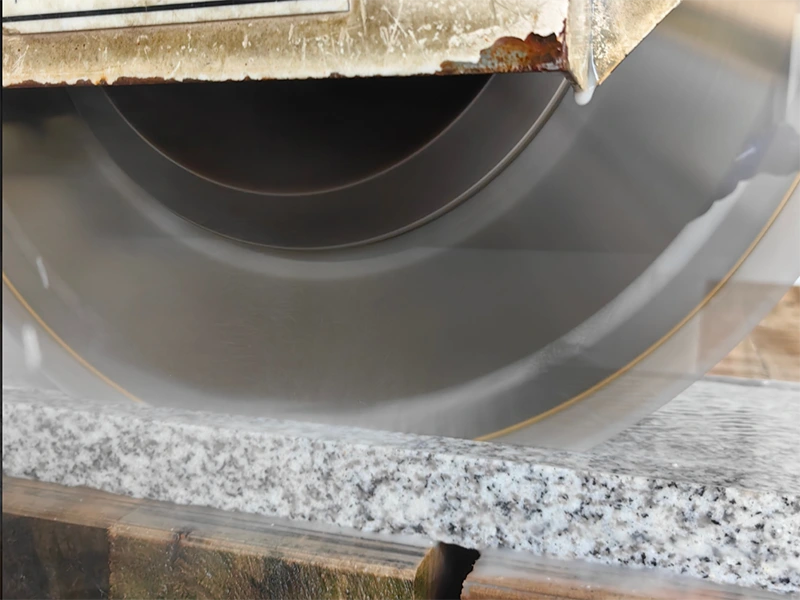
Taller segments allow for deeper gullets between segments. These gullets serve as channels for water (in wet cutting) or air (in dry cutting) to flow through, carrying away heat and cutting debris (swarf). Insufficient cooling is the #1 cause of premature segment loss — the bond between segment and core overheats and fails. This is why tall-segment blades are strongly preferred for dry-cutting and high-speed applications.
While taller-segment blades cost more at purchase, the cost per cut is often lower. For example, a blade with 15 mm segments may cost 40% more than one with 10 mm segments but deliver 60–70% more total cutting distance — making it the more economical choice for high-volume operations.
Yes — and this is a critical distinction that many buyers miss.
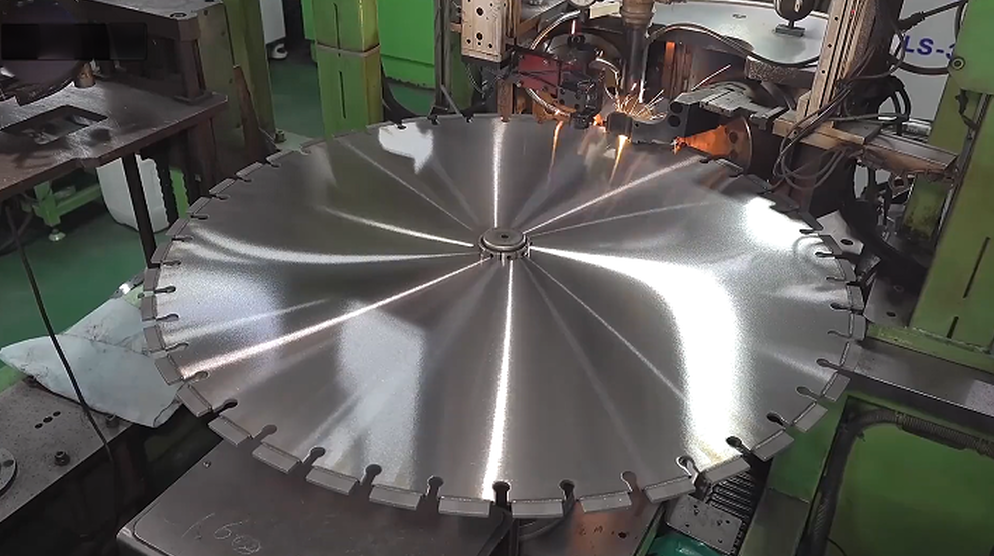
Laser-welded blades use a high-energy laser beam to fuse the segment to the steel core, creating an extremely strong metallurgical bond. This strong bond allows manufacturers to safely attach taller segments (12–20 mm) and use them for aggressive, high-speed cutting without the risk of segments flying off.
High-frequency (silver-soldered) welded blades use a brazing process with silver solder. The bond, while adequate for many applications, is not as strong as a laser weld. Manufacturers therefore keep segments shorter (typically 5–10 mm) to maintain safety. These blades are more economical and suitable for lighter-duty or intermittent cutting.
| Feature | Laser Welded | High-Frequency Welded |
|---|---|---|
| Typical segment height | 10 – 20 mm | 5 – 10 mm |
| Bond strength | Very high (metallurgical fusion) | Moderate (silver solder) |
| Best application | Heavy-duty, continuous, dry cutting | Light to medium duty, wet cutting |
| Blade life | Long (taller segments + stronger bond) | Shorter (thinner segments) |
| Price point | Higher | Lower |
Use this quick checklist to match segment height to your needs:
Segment height is the vertical measurement of the diamond-impregnated segment bonded to the steel core. It determines how much cutting material is available before the blade wears out. Taller segments last longer; shorter segments are more economical for light-duty tasks.
Yes. A taller segment contains more diamond particles and bond matrix, so the blade can cut longer before the segment is consumed. However, taller segments also cost more upfront and may cut slightly slower until the segment breaks in.
For general-purpose concrete cutting, a segment height of 10–12 mm offers a good balance of life and cost. For heavy-duty, continuous concrete cutting, choose 12–15 mm or higher, ideally on a laser-welded blade.
Laser welding creates a much stronger bond between the segment and the steel core, allowing manufacturers to use taller segments that withstand aggressive cutting. High-frequency (silver-soldered) welds are less strong, so segment height is typically kept shorter for safety.
Segment height is one of the most practical specifications to evaluate when sourcing diamond saw blades. It directly controls blade life, cooling efficiency, and total cost of ownership. As a general rule: choose shorter segments (5–10 mm) for light-duty and cost-sensitive work, and taller segments (12–20 mm) on laser-welded blades for professional, high-volume cutting where downtime is expensive.
At Oridawn, all our diamond saw blades are manufactured in our ISO 9001-certified facility with laser welding and high-frequency welding capabilities. We offer segment heights from 5 mm to 20 mm across our concrete, marble, and asphalt blade lines — customizable to your specific cutting application. Contact our team to discuss your requirements.
-