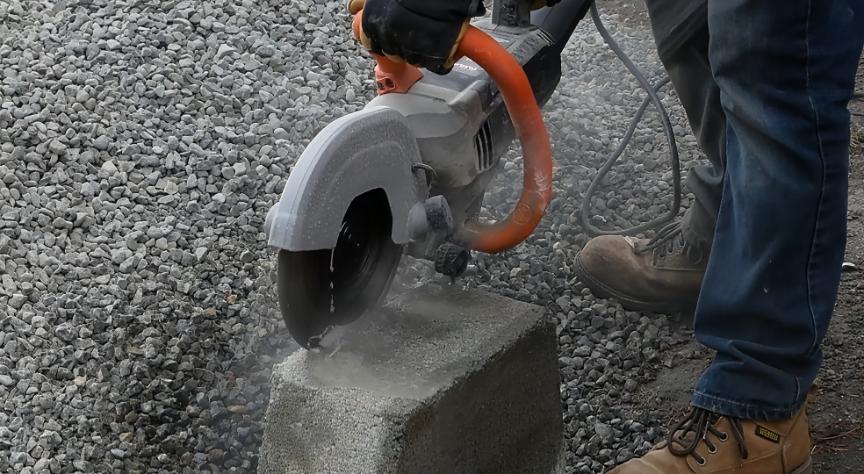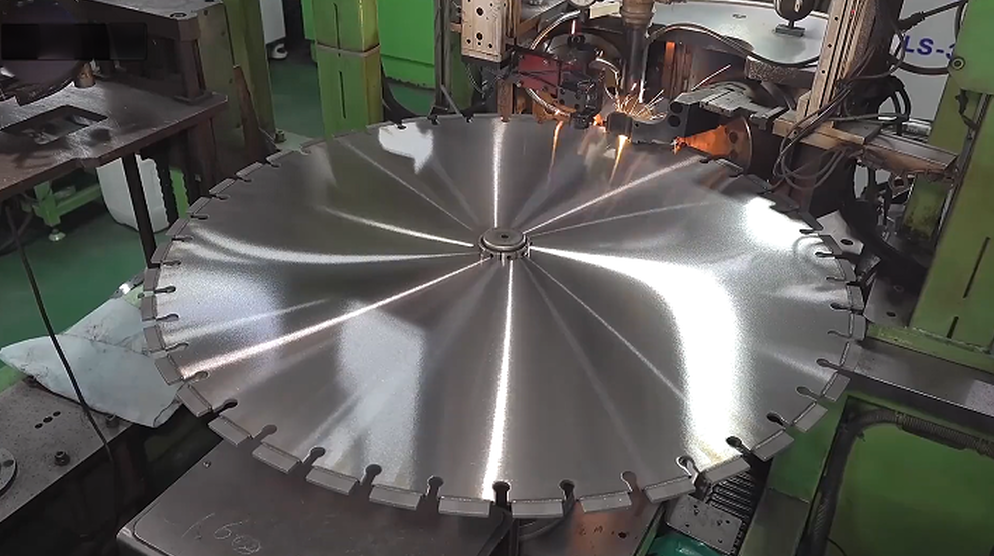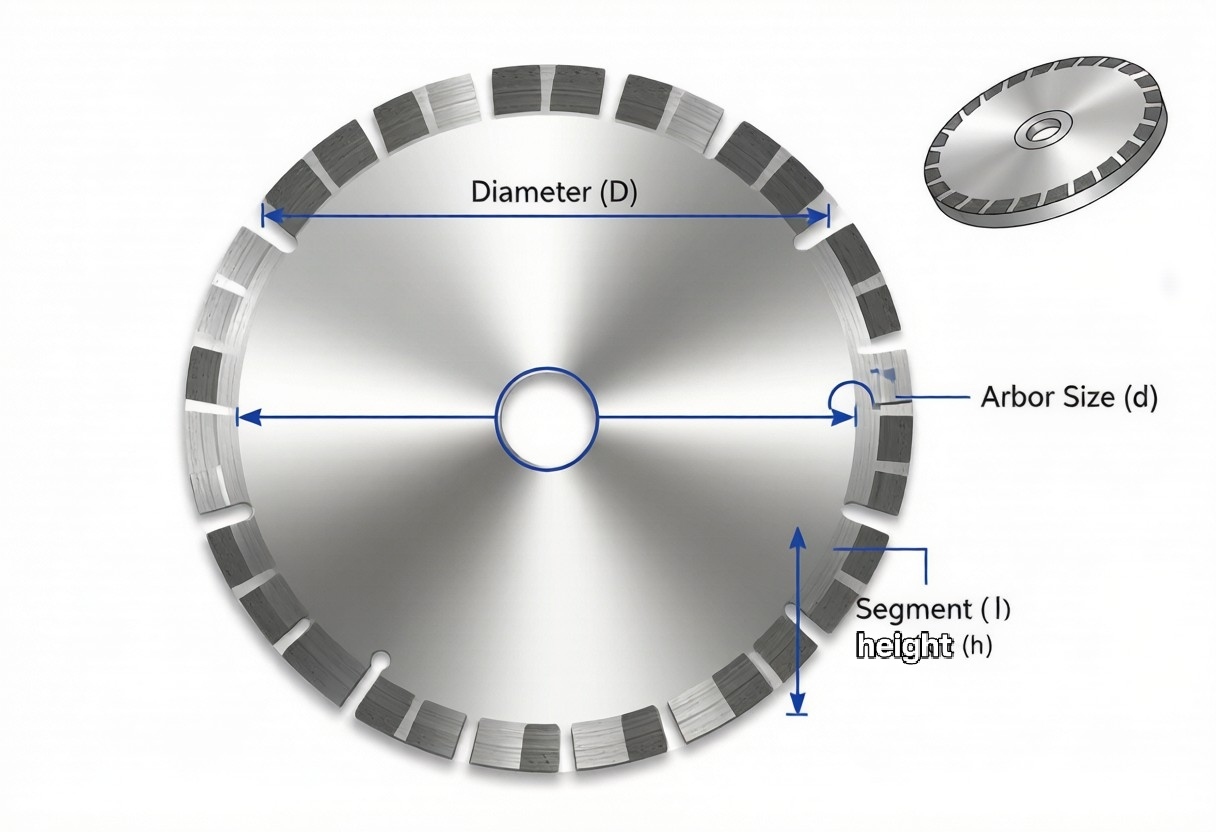

Choosing the right diamond saw blade for stone cutting is one of the most important decisions for any stone processing business. The wrong blade can lead to slow cutting speeds, excessive blade wear, chipped edges, and even damage to your cutting equipment. Whether you're cutting granite, quartz, porcelain, or engineered stone, selecting the correct blade directly impacts your cutting efficiency, material yield, and overall production costs.
In this guide, we'll walk you through the six key factors every buyer should evaluate before purchasing diamond saw blades for stone cutting applications.
Before browsing blade catalogs or comparing suppliers, take a step back and clearly define your cutting requirements. Many buyers focus solely on price and end up with blades that don't match their actual working conditions — a costly mistake that leads to poor performance and frequent blade replacements.
Ask yourself these questions:
· What type of stone will I be cutting most frequently?
· What cutting machine am I using, and what are its specifications?
· What is my daily or weekly production volume?
· What level of cut quality does my project require (e.g., clean edges for visible surfaces vs. rough cuts for raw blocks)?
Different applications require different blade designs. A blade that performs exceptionally well on granite may cause chipping on porcelain slabs. Conversely, a fine-cut ceramic blade may wear out prematurely on hard natural stone. Understanding your specific needs is the foundation of making the right purchase.
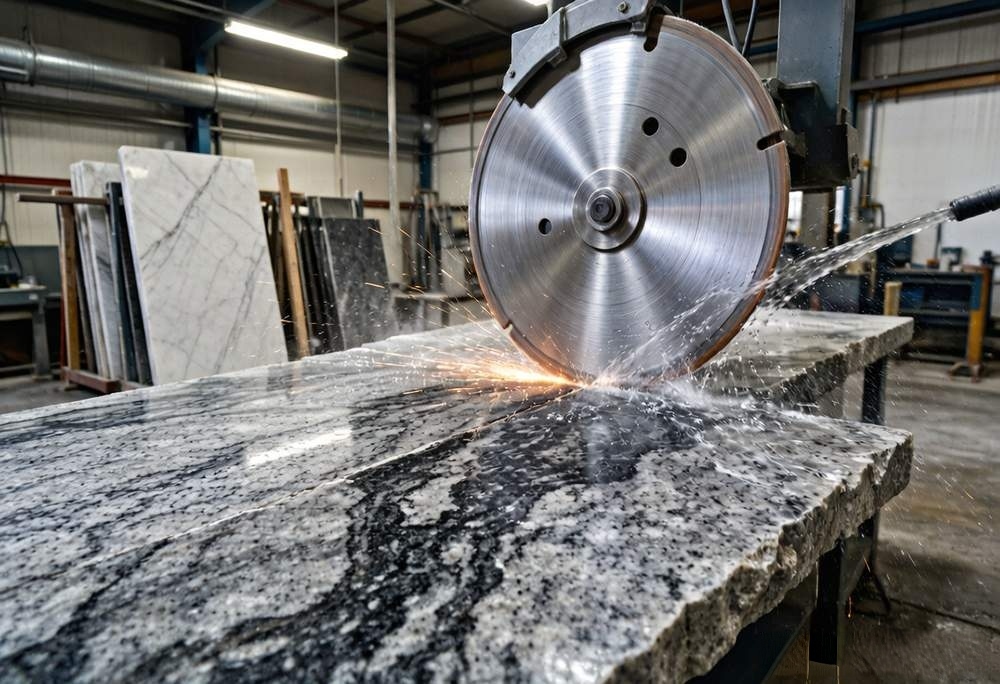
The stone material you're cutting is arguably the single most important factor in blade selection. Natural stones and engineered stones have vastly different structures, hardness levels, and abrasiveness — all of which dictate the ideal blade specification.
|
Stone Material |
Hardness Level |
Recommended Blade Type |
Key Challenge |
|
Granite |
Very Hard |
Hard bond, segmented rim |
Requires strong wear resistance |
|
Quartz |
Hard |
Medium-hard bond, turbo rim |
Hard particles demand cutting stability |
|
Porcelain / Sintered Stone |
Dense & Brittle |
Soft bond, continuous rim |
Needs clean cuts with minimal chipping |
|
Marble |
Medium |
Soft bond, continuous or turbo rim |
Avoid surface scratching |
|
Engineered Stone (Quartz Composite) |
Hard |
Medium-hard bond, turbo rim |
Resin content affects cutting temperature |
Professional suppliers typically provide different solutions tailored to each material. For example, OriDawn Tech offers customized diamond cutting solutions for various applications, including laser-welded small diameter diamond saw blades for precision work and high-frequency welded ceramic saw blades for clean porcelain cutting.
Your cutting machine is the other half of the equation. Even the highest-quality diamond blade will underperform — or become dangerous — if it doesn't match your machine's specifications. Before purchasing, always confirm the following machine parameters:
· Blade diameter capacity: The machine's maximum and minimum blade diameter range.
· Arbor size: Common sizes include 20mm, 22.23mm, 25.4mm, and 50mm. The blade arbor hole must match exactly.
· RPM rating: The blade's maximum RPM must be equal to or higher than the machine's spindle speed.
· Maximum cutting depth: Ensure the blade diameter provides sufficient cutting depth for your material thickness.
· Machine power: Underpowered machines may struggle with larger diameter blades, causing slow cuts and motor strain.
A mismatched blade can cause unstable cutting performance, excessive vibration, reduced working efficiency, and in severe cases, blade breakage — all of which directly affect your stone processing quality and workplace safety.
Professional blade manufacturers can recommend suitable specifications based on your machine model and processing requirements, helping you select the most cost-effective diamond saw blade for your setup.
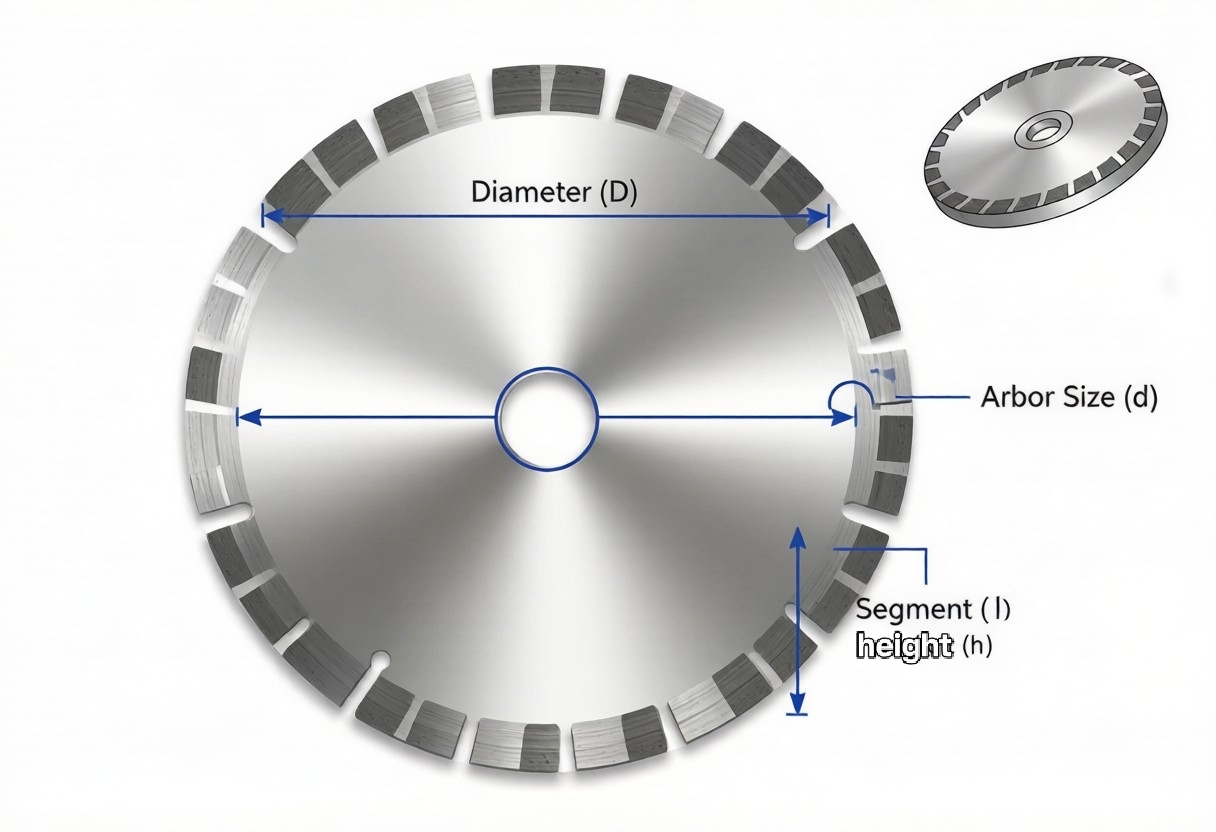
Different blade structures are engineered for different working environments and cutting objectives. Understanding the main design categories helps you make an informed choice.
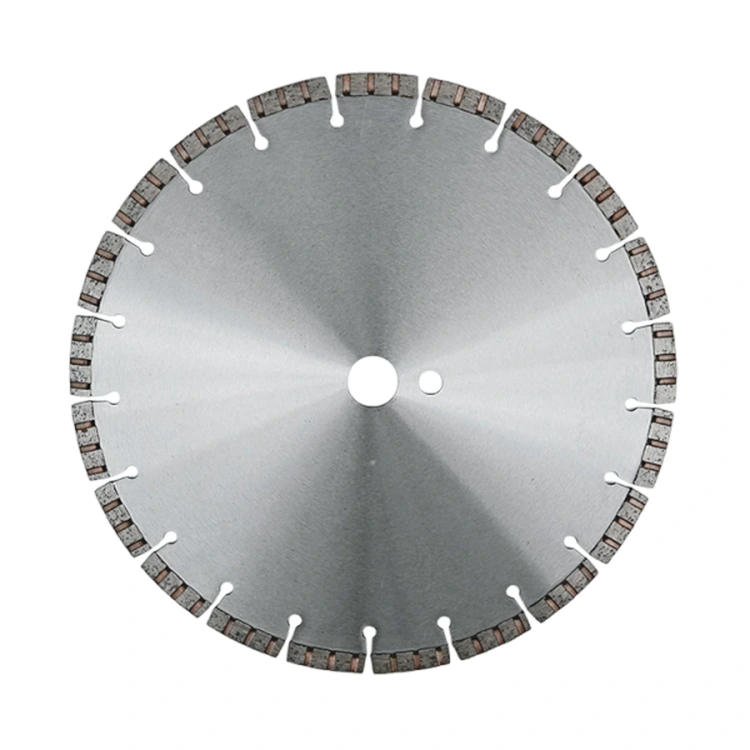
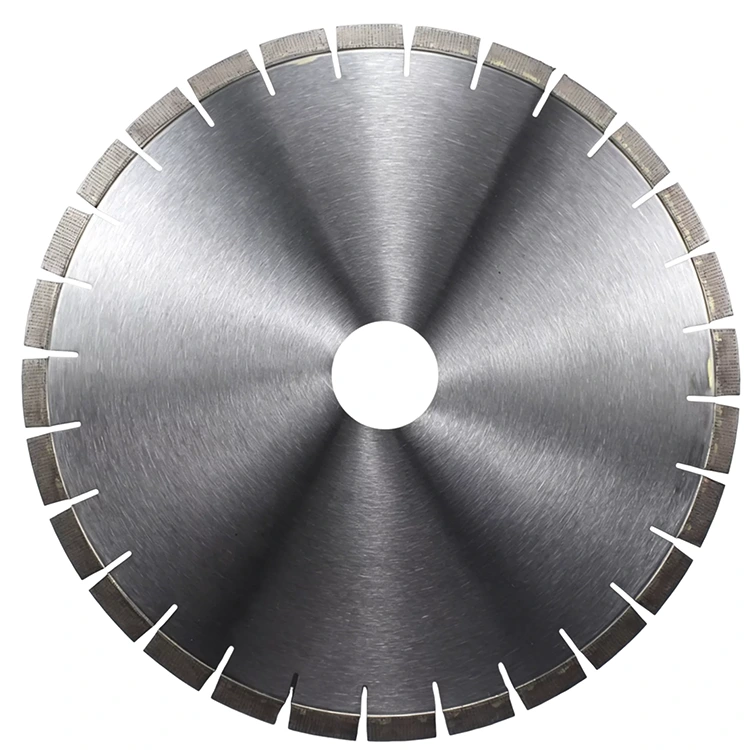
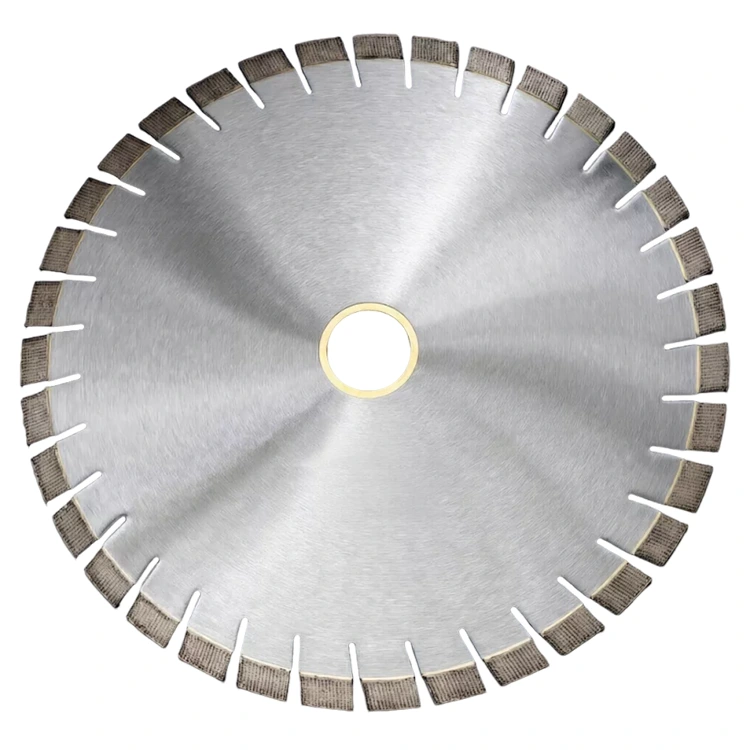
Standard segmented blades feature gullets (slots) between segments that allow for better cooling and debris removal. They are suitable for general-purpose stone cutting applications and provide reliable performance with good cost efficiency. These blades are ideal for granite cutting and other hard natural stones where cutting speed is prioritized over edge smoothness.
Silent core blades incorporate a noise-dampening layer (typically copper or a specialized alloy) within the steel core. This design can reduce cutting noise by up to 50% compared to standard blades. They are widely used in indoor workshops, professional stone fabrication environments, and job sites where noise regulations apply. Silent core blades also reduce vibration, which improves cut precision and extends blade life.
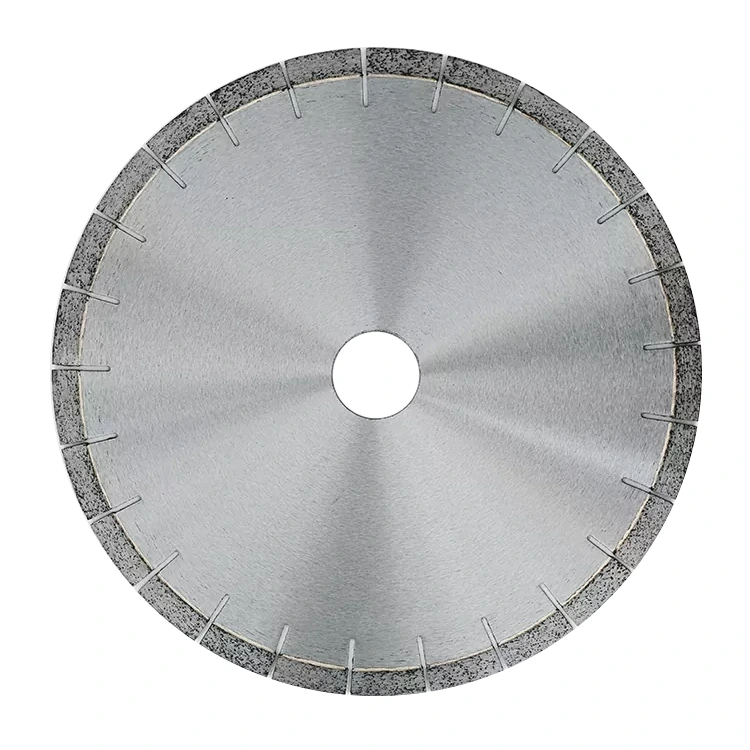
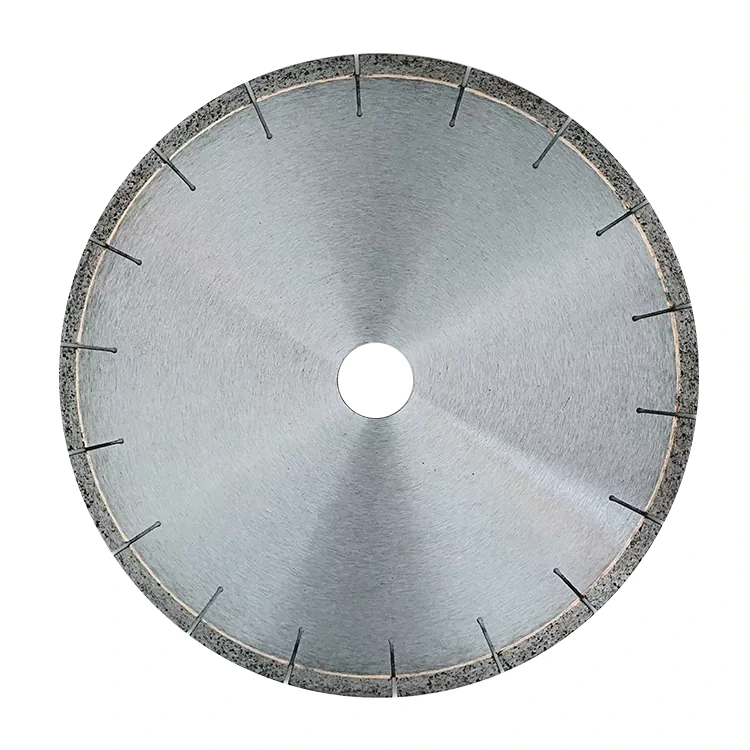
Continuous rim blades have no segments — the diamond-impregnated edge forms a continuous circle. This design produces the cleanest cuts with minimal chipping, making it the preferred choice for porcelain, ceramic, and sintered stone cutting where edge quality is critical.
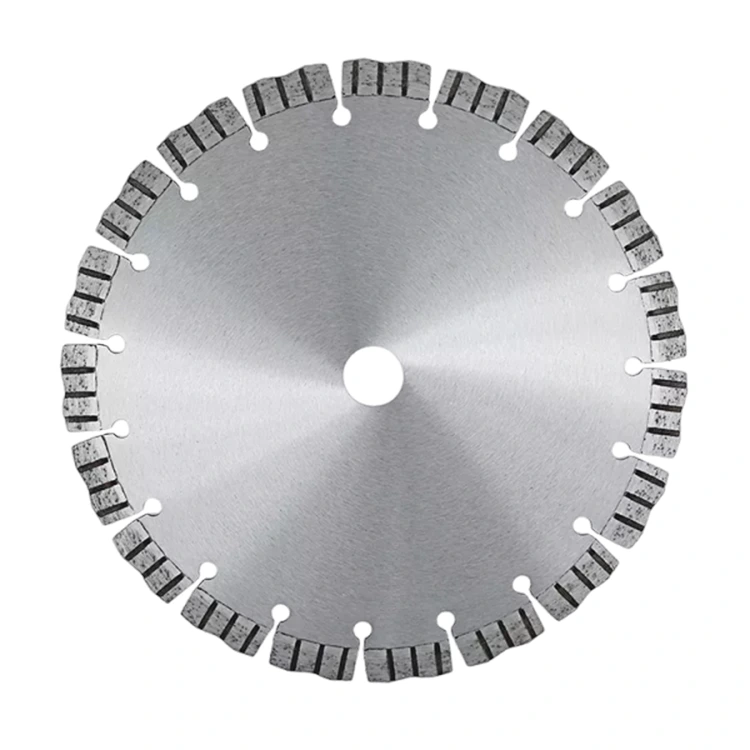
Turbo blades feature a serrated or corrugated rim segment design that combines the speed of segmented blades with the smoother cut quality of continuous rim blades. They are versatile and work well on quartz, engineered stone, and medium-hardness materials.
The right design choice depends on your production requirements, working conditions, and quality expectations for stone processing.
Beyond the blade's physical design, the segment bond and diamond grit significantly affect cutting performance. These are the components that actually do the cutting, and understanding them helps you match a blade to your specific material.
The bond is the metal matrix that holds the diamond particles in place. As the blade cuts, the bond wears away, exposing new diamond particles — a process called "self-sharpening."
· Hard bond (for soft/abrasive stones like marble and sandstone): Wears slowly so the diamonds aren't lost too quickly.
· Soft bond (for hard/dense stones like granite and porcelain): Wears faster to expose new diamonds, keeping the blade sharp.
Using a hard bond on hard stone causes the blade to "glaze over" — the diamonds dull and the bond won't wear away to expose new ones. Using a soft bond on soft stone causes premature diamond loss and short blade life.
· Coarse grit (30/40 mesh): Faster cutting speed, rougher finish — suitable for raw block cutting.
· Medium grit (50/60 mesh): Balanced speed and finish — general-purpose stone cutting.
· Fine grit (80/100 mesh): Slower cutting, smooth finish — ideal for porcelain and precision cuts.
Price is always a consideration, but focusing solely on the cheapest option often leads to higher costs in the long run. A low-cost blade that wears out twice as fast or produces chipped cuts that require rework can cost significantly more than a premium blade.
When evaluating cost, consider the total cost of ownership:
· Cost per cut — not just cost per blade. A blade that lasts 30% longer at 15% higher price is the better deal.
· Reduced material waste — clean cuts mean fewer rejected slabs and less rework.
· Reduced downtime — fewer blade changes mean more productive cutting time.
· Equipment protection — a well-matched blade reduces machine wear and maintenance costs.
Requesting sample blades for testing under your actual working conditions is one of the best ways to evaluate true value before committing to a bulk purchase.
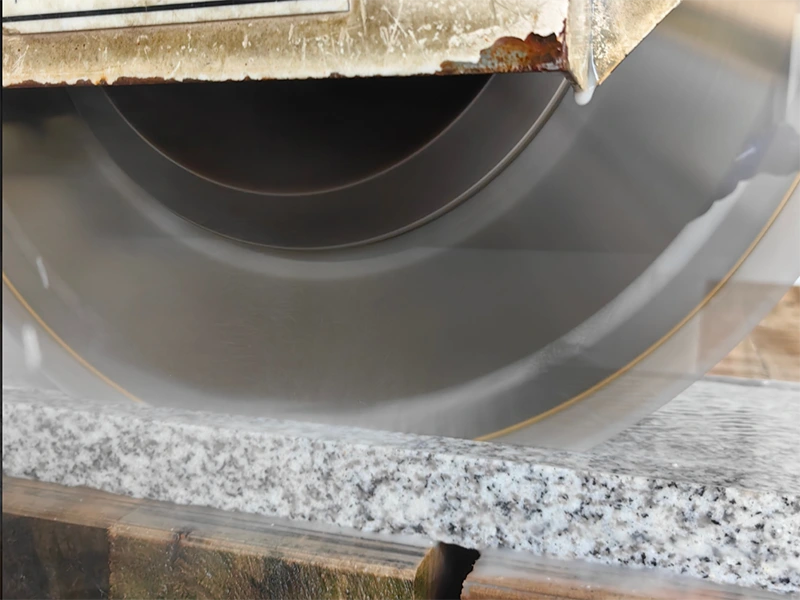
For granite cutting, laser-welded diamond saw blades with a hard bond segment are recommended. Granite is highly durable, so blades with strong wear resistance and segmented rims provide faster cutting speed and longer service life. Turbo rim blades can also work well for thinner granite slabs.
Check your machine's blade diameter capacity, arbor size, RPM rating, and maximum cutting depth. The blade specifications must match your machine to avoid vibration, poor cut quality, and safety risks. When in doubt, consult your blade supplier with your machine model details.
Silent core blades have a noise-dampening core layer that reduces vibration and cutting noise by up to 50%. They are ideal for indoor workshops and noise-sensitive environments. Standard blades are more cost-effective for outdoor or general-purpose cutting where noise is not a concern.
No. Different stones have varying hardness and abrasiveness. A blade designed for granite may chip porcelain slabs, while a ceramic blade may wear too quickly on granite. Always match the blade bond type and segment design to your specific stone material for optimal results.